CM Mohan Yadav: Tribal dignity defines Madhya Pradesh
Synopsis
Chief Minister Dr. Mohan Yadav declared on 5 November 2026 that tribal honour and self-respect define Madhya Pradesh, spotlighting the progress of tribal children and signalling continued state commitment to Scheduled Tribe welfare programmes.
Key Takeaways
Mohan Yadav stated on 5 November 2026 that the honour and self-respect of the tribal community is the identity of Madhya Pradesh.
Madhya Pradesh has a Scheduled Tribe population exceeding 21 percent , concentrated in districts like Jhabua , Alirajpur , and Mandla .
The state has run Eklavya Model Residential Schools since the early 2000s to deliver residential education to tribal children.
The Tribal Welfare Department manages education, cultural, and livelihood schemes for Scheduled Tribes across the state.
The statement was posted jointly tagging the Tribal Welfare Department , signalling an institutional, not merely rhetorical, message.
Budget allocations and new guidelines for tribal residential schools in upcoming assembly sessions remain a key area to watch.
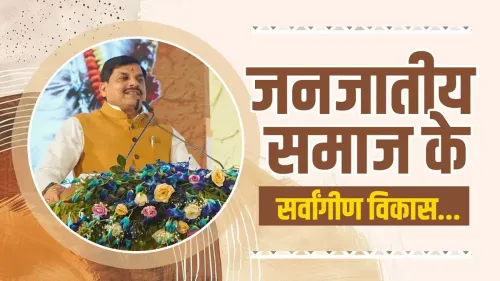
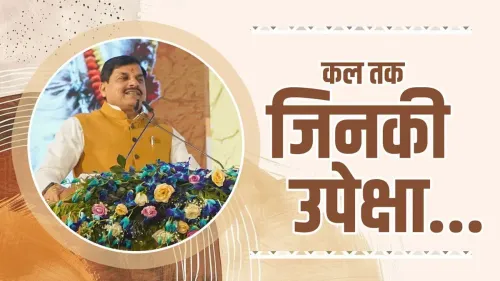
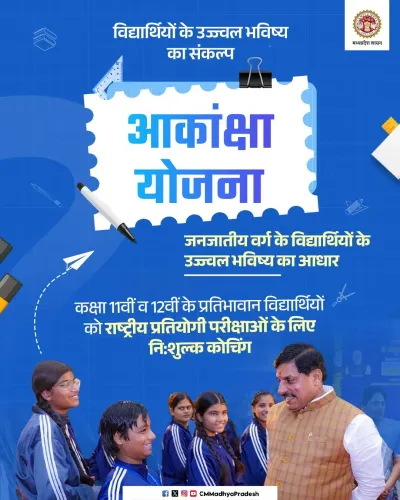
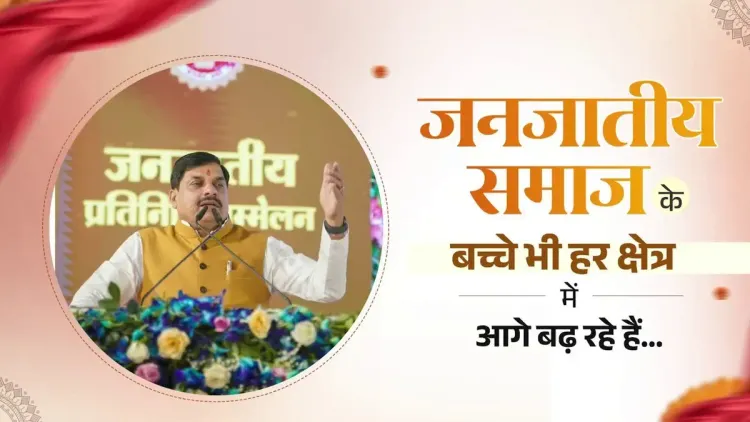
Tribal honour is not a footnote in Madhya Pradesh — it is, according to the state's Chief Minister, the very identity of the state. Chief Minister Dr. Mohan Yadav reaffirmed on Thursday, 5 November 2026 that the respect and self-pride of the tribal community form the core of what Madhya Pradesh stands for, and that tribal children are today proving their talent across every field.
Posting on X alongside the Tribal Welfare Department, CM Yadav said: 'जनजातीय समाज का सम्मान और स्वाभिमान ही मध्यप्रदेश की पहचान है' — 'The honour and self-respect of the tribal community is the identity of Madhya Pradesh' — adding that tribal children are stepping forward in every sphere and demonstrating their ability and potential.A state where one in five citizens is tribal
Madhya Pradesh is home to one of India's largest Scheduled Tribe populations, accounting for more than 21 percent of the state's total residents. Districts such as Jhabua, Alirajpur, and Mandla are among the most densely tribal areas in the country. For any Madhya Pradesh government, tribal welfare is not a niche agenda — it is a demographic and political cornerstone.Eklavya schools and the long road to tribal education
Since the early 2000s, Madhya Pradesh has operated Eklavya Model Residential Schools — centrally-assisted institutions designed to bring quality residential education to tribal children in remote areas. The model mirrors Navodaya Vidyalayas but is targeted specifically at Scheduled Tribe students. The Tribal Welfare Department, the nodal body for such schemes, oversees education, cultural preservation, and livelihood initiatives that touch communities across the state's tribal belt. CM Yadav's remarks reinforce a governance posture that successive administrations in Bhopal have maintained: tribal advancement is a headline metric, not an afterthought.What the statement signals ahead of budget season
Public affirmations from the Chief Minister's office on tribal welfare typically precede or accompany budget allocations and policy announcements. With the next assembly session on the horizon, watchers are tracking whether fresh guidelines or enhanced funding for tribal residential schools will follow. The Chief Minister's pointed coupling of 'samman' (honour) and 'swabhimaan' (self-respect) signals an intent to frame tribal policy not as charity but as constitutional recognition — a subtle but meaningful rhetorical shift that could shape how upcoming schemes are packaged and communicated.Madhya Pradesh's tribal children are being told they belong at the front of every field. Whether the budgets and institutions match that promise is the question the next assembly session will begin to answer.
Point of View
Such public affirmations function as both governance signalling and political outreach. The tagging of the Tribal Welfare Department gives the post institutional weight beyond routine social-media messaging. Whether this rhetoric translates into measurable budget increases for Eklavya schools and allied programmes will be the credibility test when the next assembly session convenes.
NationPress
5 Nov 2026
Frequently Asked Questions
What did CM Mohan Yadav say about tribal communities in Madhya Pradesh?
CM Dr. Mohan Yadav stated on 5 November 2026 that the honour and self-respect of the tribal community is the very identity of Madhya Pradesh, and that tribal children are advancing in every field and demonstrating their talent and capability.
What percentage of Madhya Pradesh's population is tribal?
Scheduled Tribes account for more than 21 percent of Madhya Pradesh's population, making it one of the states with the largest indigenous communities in India.
What are Eklavya Model Residential Schools in Madhya Pradesh?
Eklavya Model Residential Schools are centrally-assisted institutions that have operated in Madhya Pradesh since the early 2000s, providing quality residential education specifically to Scheduled Tribe children in remote areas.
Which districts in Madhya Pradesh have the highest tribal population?
Jhabua, Alirajpur, and Mandla are among the districts in Madhya Pradesh with the most concentrated Scheduled Tribe populations.
What is the Tribal Welfare Department of Madhya Pradesh?
The Tribal Welfare Department is the state government body responsible for implementing education, cultural preservation, and livelihood schemes for Scheduled Tribes across Madhya Pradesh.