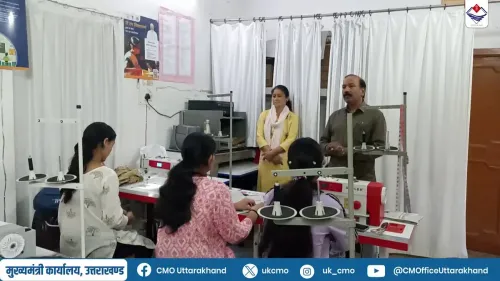
CM Office Highlights Bageshwar's Godavari Dhoop Agarbatti Unit
Synopsis
The Chief Minister's Office of Uttarakhand spotlighted the Godavari Dhoop Agarbatti Unit in Bageshwar district on 7 July 2026, calling it an emblem of self-reliance and a rising model of local entrepreneurship aligned with the Atmanirbhar Bharat Abhiyan.
Key Takeaways
The Chief Minister's Office of Uttarakhand shared an official post on 7 July 2026 highlighting the Godavari Dhoop Agarbatti Unit in Bageshwar district .
The unit is described as an identity of Aatmanirbharta (self-reliance) and a model of local entrepreneurship in the hill district.
The initiative aligns with the national Atmanirbhar Bharat Abhiyan , launched in May 2020 , which promotes domestic micro-enterprise and cottage industry.
Agarbatti and dhoop manufacturing is a low-barrier, labour-intensive sector suited to self-help group models in rural Uttarakhand .
Promoting such cottage industries is part of Uttarakhand's broader strategy to curb out-migration from hill districts by creating local livelihoods.
The official video post signals potential state-level intent to replicate the Bageshwar model across other hill districts in Kumaon and Garhwal .
The Chief Minister's Office of Uttarakhand on Tuesday, 7 July 2026, spotlighted the Godavari Dhoop Agarbatti Unit in Bageshwar district as a symbol of self-reliance, calling it a rising model of local entrepreneurship in the hill state.
Context
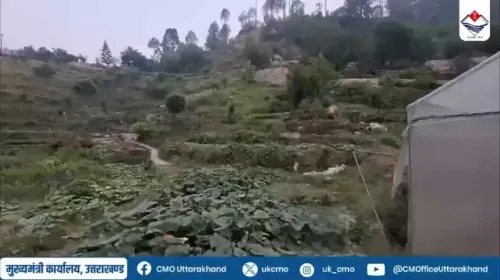
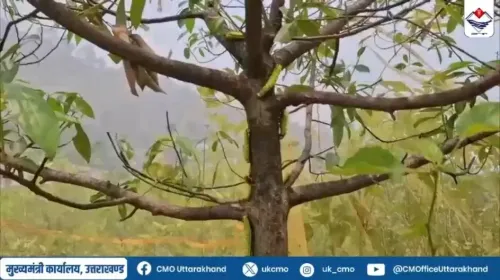
The official post, shared in Hindi, states: 'Janapad Bageshwar ki Godavari Dhoop Agarbatti Ikaai bani Aatmanirbharta ki pehchaan, sthaaniya udyamita ko mil rahi nayi udaan' — ('The Godavari Dhoop Agarbatti Unit of Bageshwar district has become an identity of self-reliance; local entrepreneurship is getting a new flight'). The post was accompanied by a video, underscoring the state government's intent to document and amplify grassroots success stories from remote districts.
Bageshwar is a small hill district in the Kumaon division of Uttarakhand, historically known for its cultural and religious significance. Its economy has long depended on agriculture and small-scale trade, making cottage-industry initiatives especially significant for local livelihoods.
Policy Backdrop
The Godavari unit's recognition fits squarely within the Atmanirbhar Bharat Abhiyan, the national self-reliance initiative launched by the Government of India in May 2020 to boost domestic production, reduce import dependence, and nurture micro-enterprises using traditional skills. The campaign's 'vocal for local' strand specifically encouraged state governments to identify and promote homegrown manufacturing clusters.
Uttarakhand, like other Himalayan states, has faced persistent out-migration from hill districts as young people move to plains cities in search of employment. Promoting cottage industries — such as incense and dhoop manufacturing, which leverage locally available raw materials and traditional knowledge — is part of a broader state strategy to generate on-ground livelihoods and slow demographic drain from remote areas.
Agarbatti and dhoop manufacturing is a labour-intensive sector with low entry barriers, making it well-suited to self-help group (SHG) models and micro-enterprise frameworks promoted under Uttarakhand's MSME and rural livelihood policies.
Stakeholders and Impact
The primary beneficiaries of units like the Godavari Dhoop Agarbatti enterprise are local entrepreneurs and rural communities in Bageshwar, many of whom — particularly women — participate through self-help groups or micro-enterprise structures. Such units provide income without requiring workers to relocate, directly addressing the out-migration challenge that hill districts face.
By amplifying the unit's story on an official government channel, the Chief Minister's Office signals both policy endorsement and a potential template for replication across other hill districts in the state. The video format of the post is likely aimed at a wider rural audience, including prospective entrepreneurs who may be inspired to establish similar units.
What's Next
State-level reviews of MSME performance in hill districts are expected to feature such cottage-industry success stories as evidence of policy effectiveness. Observers will watch whether Uttarakhand's upcoming industrial policy cycles introduce new incentives — such as subsidised raw-material access, marketing support, or easier credit — specifically targeted at agarbatti and dhoop manufacturing clusters in remote districts.
If the Godavari unit model is formally adopted as a replicable blueprint, it could catalyse a network of similar micro-enterprises across Kumaon and Garhwal divisions, deepening the state's cottage-industry ecosystem and strengthening its self-reliance credentials ahead of future investment summits.
Point of View
The government is building a shareable template of 'success stories' that can be deployed to counter criticism of slow employment growth in Uttarakhand's remote districts. The focus on Bageshwar — one of the state's more economically marginal districts — also suggests a calculated outreach to Kumaon, a region that has historically demanded greater developmental attention. If the state follows through with formal policy support, this moment could mark the beginning of a structured cottage-industry push; if it remains a social-media highlight, it risks being dismissed as performative.
NationPress
7 Jul 2026
Frequently Asked Questions
What is the Godavari Dhoop Agarbatti Unit in Bageshwar?
The Godavari Dhoop Agarbatti Unit is a local incense and dhoop manufacturing enterprise in Bageshwar district, Uttarakhand, highlighted by the state's Chief Minister's Office as a model of rural self-reliance and entrepreneurship.
What is Atmanirbhar Bharat and how does it relate to this unit?
Atmanirbhar Bharat Abhiyan is a national self-reliance initiative launched by the Government of India in May 2020 to promote domestic manufacturing and micro-enterprises. The Godavari unit's model of local production using traditional skills aligns directly with this campaign's 'vocal for local' goals.
Why is cottage industry important for Uttarakhand's hill districts?
Uttarakhand's hill districts face persistent out-migration as residents seek jobs in plains cities. Cottage industries like agarbatti manufacturing create on-ground livelihoods without requiring relocation, helping communities remain in their home regions.
Who benefits from agarbatti manufacturing units in rural Uttarakhand?
Local entrepreneurs, rural workers — particularly women participating through self-help groups — and the broader community of Bageshwar district benefit from such units, which provide income and reduce dependence on distant employment markets.
Will Uttarakhand expand the Bageshwar agarbatti model to other districts?
The Chief Minister's Office has not made a formal announcement, but policy observers expect state-level MSME reviews to assess such cottage-industry models for replication across other hill districts in Kumaon and Garhwal divisions.