CM Pema Khandu flags Siang Valley water risks at Yingkiong meet
Synopsis
Arunachal Pradesh CM Pema Khandu held a ground-level consultation at Yingkiong on 30 September 2026, spotlighting dual water risks — catastrophic floods and winter scarcity — in the Siang Valley, and making the case for the Siang Upper Multipurpose Project as a resilience solution.
Key Takeaways
Arunachal Pradesh CM Pema Khandu held a stakeholder consultation at Yingkiong, Upper Siang on 30 September 2026 on Siang Valley water risks.
The discussion addressed two distinct threats: sudden, high upstream flood flows with limited warning, and water scarcity during dry winter months.
Khandu cited the 2023 Sikkim glacial lake outburst flood as a regional lesson in how extreme water events become major downstream disasters.
The meeting was framed around the Siang Upper Multipurpose Project (SUMP) , a proposed dam intended to provide hydropower, irrigation, and flood moderation.
The Chief Minister's core argument: 'Storage means safety, and preparation means resilience.' SUMP still requires environmental clearances and a detailed project report before construction can begin.
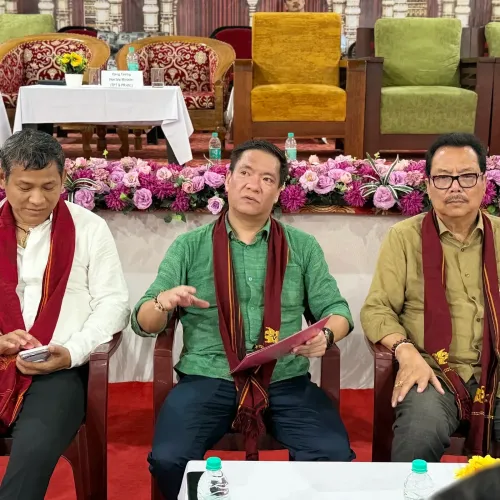
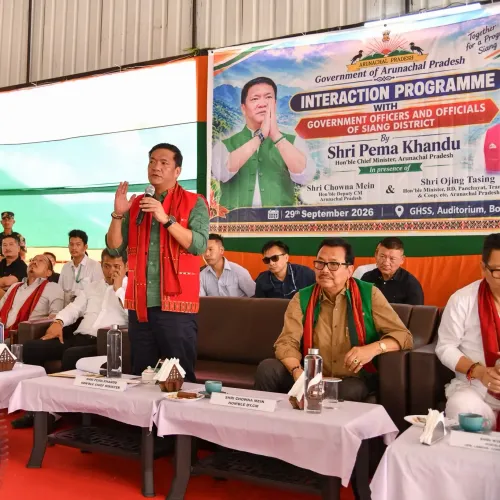
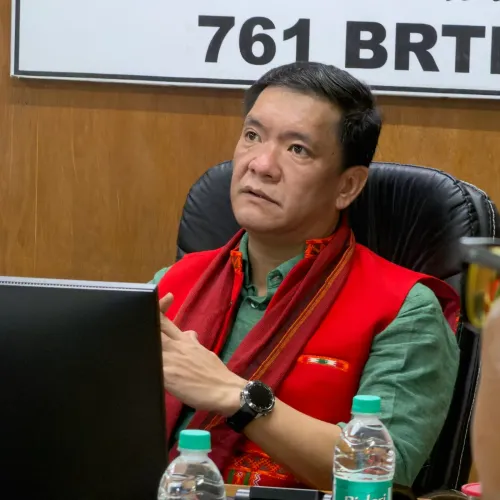
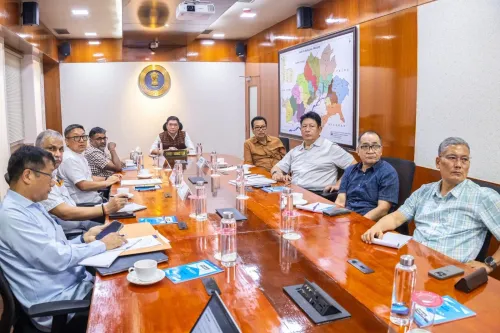
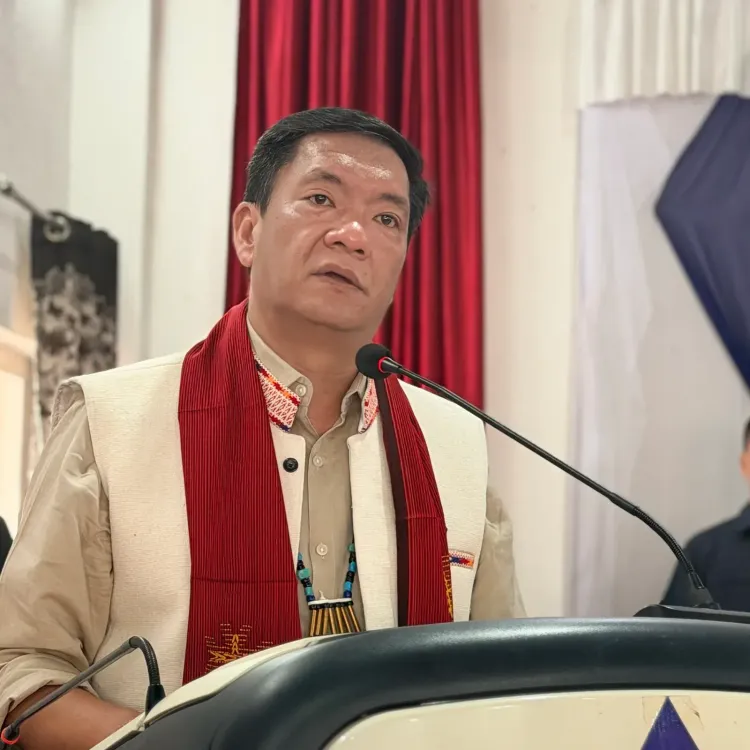
The Brahmaputra's headwaters carry a double threat — catastrophic floods and crippling dry-season scarcity — and Arunachal Pradesh Chief Minister Pema Khandu is pushing hard to make that reality impossible to ignore. On Wednesday, 30 September 2026, Khandu convened a stakeholder interaction with community-based organisation members, government officers, and officials from across the Siang Valley at Yingkiong, the district headquarters of Upper Siang, to confront both ends of the water-risk spectrum head-on.
Two threats, one valley: floods above, scarcity below
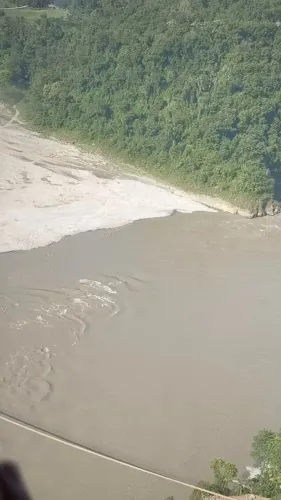
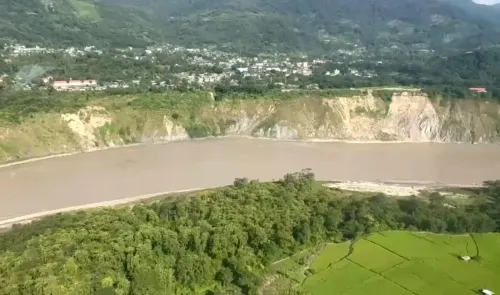
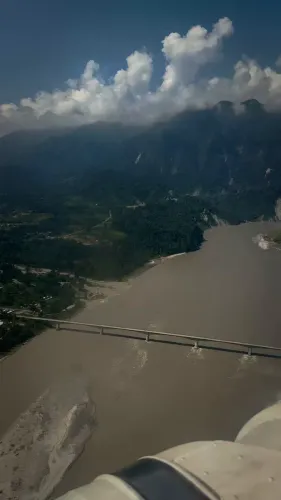
Khandu framed the challenge with unusual precision for a political address. The discussion, he noted, covered 'the possibility of sudden, exceptionally high upstream flows reaching us with limited warning' — the flash-flood danger — alongside 'water scarcity during the dry winter months,' when the same rivers shrink to a trickle. The Siang River, which flows down from the Tibetan Plateau before widening into the Brahmaputra, is acutely vulnerable to both extremes: glacial melt and monsoon surges push it into dangerous territory, while post-monsoon months leave downstream communities parched.
The Chief Minister invoked a pointed regional lesson. 'The experiences of Sikkim and the wider Himalayan region remind us how quickly extreme water events can become major downstream disasters,' Khandu wrote. The reference is hard to miss: the October 2023 glacial lake outburst flood in Sikkim sent a wall of water tearing through the Teesta Valley, killing scores and destroying infrastructure built over decades. That disaster, now etched into Himalayan policy consciousness, has accelerated conversations about storage infrastructure and early-warning systems across the Northeast.
SUMP: the project behind the hashtag
Khandu's post is anchored by the hashtag #SUMP — the Siang Upper Multipurpose Project, a proposed dam in Upper Siang district designed to serve three functions simultaneously: hydropower generation, irrigation, and flood moderation. The project has featured in Arunachal Pradesh's hydropower planning since the early 2000s as part of broader Northeast river-development strategies, but it has gained fresh urgency in the post-Sikkim-flood policy environment.
Khandu's framing at Yingkiong was deliberate: 'Storage means safety, and preparation means resilience.' The twin-sentence logic is a direct argument for SUMP — that a large upstream reservoir can shave off dangerous flood peaks while banking water for the lean winter months. It is a case being made not in a committee room in Itanagar but on the ground, directly to the communities whose land, livelihoods, and lives sit in the project's shadow.
Ground-level consultation in Upper Siang
The choice of Yingkiong as the venue is itself significant. Sitting at the heart of Upper Siang, it is the closest administrative centre to the proposed project site, and community-based organisations in the Siang Valley have historically been vocal — both in support of development and in raising concerns about displacement and ecological impact. By meeting CBO members alongside government officials, Khandu's team is signalling that local buy-in is being treated as a prerequisite, not an afterthought.
What follows this consultation will matter more than the meeting itself. The Siang Upper Multipurpose Project still requires environmental clearances and a finalised detailed project report before construction can begin. The Yingkiong interaction is a political and consultative step — necessary, but far from sufficient. The next markers to watch: whether state-level follow-up mechanisms are announced, and when the project's regulatory paperwork moves through New Delhi's clearance pipeline.
For a valley that sits between a glacier-fed river and a warming Himalayan climate, the urgency is not manufactured. The question is whether infrastructure ambition and community consensus can move at the same speed as the risks they are designed to contain.
Point of View
The Chief Minister is attempting to pre-empt the community opposition that has stalled similar projects elsewhere in the Northeast. The SUMP hashtag signals that the state government wants this project to acquire a public identity and political momentum ahead of regulatory clearances. Whether that bottom-up framing survives the detailed project report and environmental-clearance stages will test the durability of the consensus being built at Yingkiong.
NationPress
30 Sept 2026
Frequently Asked Questions
What is the Siang Upper Multipurpose Project (SUMP)?
The Siang Upper Multipurpose Project is a proposed large dam in Upper Siang district of Arunachal Pradesh designed to generate hydropower, support irrigation, and moderate extreme flood flows on the Siang River, which becomes the Brahmaputra downstream.
Why is the Siang Valley at risk of flooding?
The Siang Valley sits below the Tibetan Plateau and is fed by glacial melt and heavy monsoon runoff, making it vulnerable to sudden, high-volume upstream surges. The 2023 Sikkim glacial lake outburst flood is a recent example of how quickly such events can become downstream disasters.
What happened at the Yingkiong meeting on 30 September 2026?
Arunachal Pradesh Chief Minister Pema Khandu met community-based organisation members, government officers, and officials from across the Siang Valley at Yingkiong to discuss water risks — both extreme flooding and dry-season scarcity — and the role of water storage in building regional resilience.
What is the current status of the SUMP project?
The Siang Upper Multipurpose Project is still in the planning and consultation phase. It requires environmental clearances and a finalised detailed project report before construction can proceed.
How does the Sikkim flood relate to Arunachal Pradesh's water planning?
The October 2023 glacial lake outburst flood in Sikkim destroyed infrastructure and caused significant loss of life in the Teesta Valley. It has become a reference point for Himalayan states, including Arunachal Pradesh, accelerating discussions on upstream storage and early-warning systems to prevent similar disasters.