CM Pema Khandu Meets DEWA Members on Employee Welfare
Synopsis
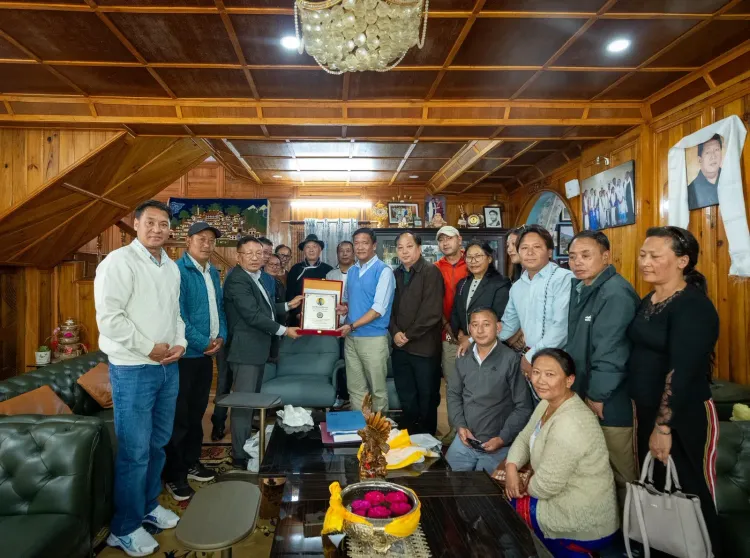
Arunachal Pradesh Chief Minister Pema Khandu on June 26, 2026, met members of the Dhagpa-Pangchen Employees Welfare Association (DEWA), discussing employee welfare and regional development in a courtesy call he described as fruitful.
Key Takeaways
CM Pema Khandu received members of the Dhagpa-Pangchen Employees Welfare Association (DEWA) on June 26, 2026 .
The discussion focused on employee welfare and the development of the Dhagpa-Pangchen area .
Khandu described the interaction as 'fruitful' and wished the Association success in its endeavours.
Such engagements are part of a broader governance pattern in Arunachal Pradesh emphasising direct outreach with local welfare bodies.
Subsequent government orders or budget allocations addressing Dhagpa-Pangchen employee welfare will be the key policy signal to watch.
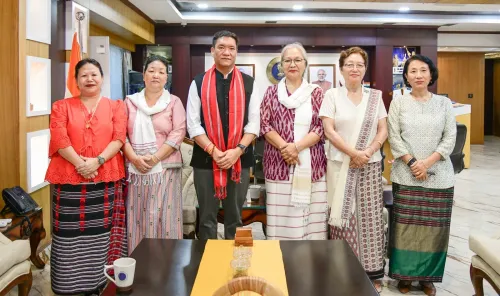
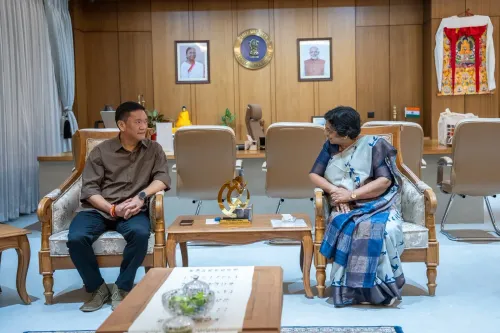
Arunachal Pradesh Chief Minister Pema Khandu on Friday, June 26, 2026, received members of the Dhagpa-Pangchen Employees Welfare Association (DEWA) for a courtesy call, engaging with them on issues of employee welfare and regional development in the Dhagpa-Pangchen area.
Context
The meeting, held at the Chief Minister's office, brought together DEWA representatives and CM Khandu for what he described as a 'fruitful interaction.' The discussion centred on the concerns of employees based in the Dhagpa-Pangchen area and the broader developmental needs of the region. Khandu expressed appreciation for the Association's visit and extended his wishes for its success.
Such courtesy calls are a routine feature of governance in Arunachal Pradesh, where the state administration places emphasis on direct outreach with local welfare bodies, particularly those representing employees in geographically remote or border-adjacent areas of the northeastern state.
Policy Backdrop
Arunachal Pradesh, India's northeastern frontier state, has long maintained a governance focus on border-area development and the welfare of state employees serving in difficult terrain. The state government under CM Khandu, who has led the state since 2016, has consistently engaged with local associations and community bodies as part of its outreach model.
Employee welfare associations in the region often serve as the primary institutional channel through which workers in remote postings raise concerns about service conditions, infrastructure, and developmental priorities with the state government. Such interactions feed into policy decisions around staffing, allowances, and area-specific development schemes.
Stakeholders and Impact
The primary stakeholders in this engagement are the employees of the Dhagpa-Pangchen area and the residents of that region who stand to benefit from any policy follow-through emerging from the discussion. The DEWA functions as a representative body articulating the collective concerns of this employee group to the highest executive office in the state.
For the broader employee community in Arunachal Pradesh, such direct access to the Chief Minister signals an administration willing to hear localised grievances. The interaction also underscores the state's approach of using welfare associations as structured feedback mechanisms in areas where formal administrative reach may be limited.
What's Next
Observers of Arunachal Pradesh governance will watch for any subsequent government orders, budget allocations, or administrative directives that address the specific employee welfare concerns or developmental gaps raised during the meeting with DEWA. The Chief Minister's acknowledgement of a 'fruitful interaction' suggests the discussion yielded substantive points for potential follow-up action.
As the state continues to prioritise development in its border districts and remote areas, engagements like this one with localised employee welfare bodies are likely to remain a consistent feature of CM Khandu's governance calendar, reflecting a broader pattern of decentralised outreach in the Northeast.
Point of View
Such as revised service conditions or area-specific development allocations, will determine its real significance. For Khandu, sustaining this model of localised outreach also serves a political purpose in a state where community representation and identity are closely tied to administrative attention.
NationPress
26 Jun 2026
Frequently Asked Questions
Who are the members of DEWA that met CM Pema Khandu?
The Dhagpa-Pangchen Employees Welfare Association (DEWA) is a welfare body representing employees in the Dhagpa-Pangchen area of Arunachal Pradesh. Specific member names were not disclosed in the Chief Minister's post.
What is the Dhagpa-Pangchen area in Arunachal Pradesh?
Dhagpa-Pangchen is a locality in Arunachal Pradesh , India's northeastern frontier state. It is represented by a dedicated employees welfare association, DEWA, which engages with the state government on service and development issues.
What issues did CM Khandu discuss with DEWA?
CM Pema Khandu discussed issues concerning the welfare of employees and the development of the Dhagpa-Pangchen area during the courtesy call on June 26, 2026.
Why does Pema Khandu meet welfare associations?
As Chief Minister of Arunachal Pradesh since 2016 , Pema Khandu regularly meets local welfare associations as part of the state government's outreach model, particularly for employees in remote or border-adjacent areas where direct administrative access is limited.
Will there be any government action after the DEWA meeting?
No specific government orders or allocations have been announced yet. Observers are watching for any subsequent policy decisions on employee welfare or development spending in the Dhagpa-Pangchen area following the June 26 meeting.