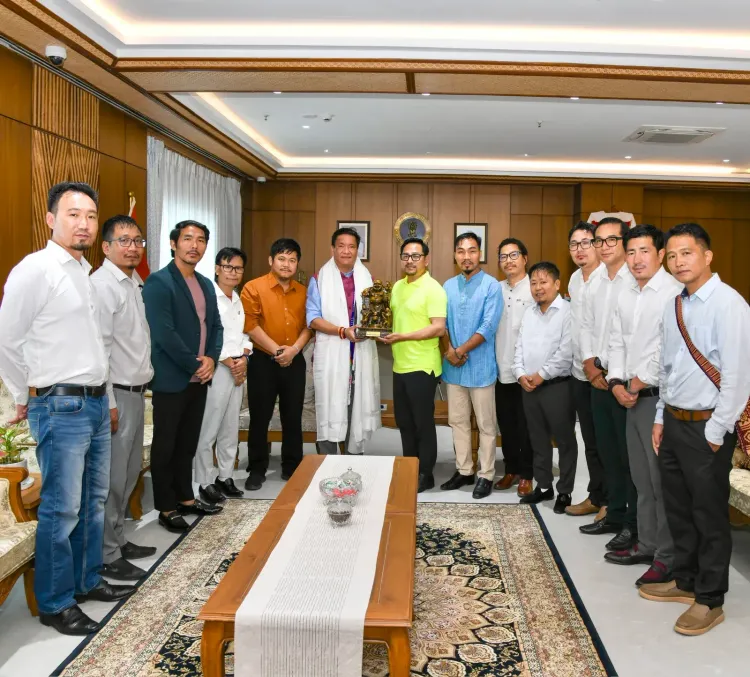
CM Pema Khandu Welcomes Tribal Youth Into BJP
Synopsis
Arunachal Pradesh Chief Minister Pema Khandu on 7 July 2026 welcomed tribal youth from across the state into the BJP, framing their entry as an expression of unity in diversity and aligning it with Prime Minister Modi's youth-in-governance vision.
Key Takeaways
CM Pema Khandu formally welcomed tribal youth from multiple communities of Arunachal Pradesh into the BJP on 7 July 2026 .
He described the development as reflecting 'unity in diversity' and a commitment to serve the state and nation.
Arunachal Pradesh has more than 25 major tribes , making tribal inclusion central to political mobilisation in the state.
The BJP has governed Arunachal Pradesh since 2016 and has pursued sustained outreach to tribal youth as part of its Northeast expansion strategy.
The induction aligns with PM Modi 's stated emphasis on youth participation in public life and nation-building.
Future youth conventions or membership drives in the state could follow as the next assembly cycle approaches.
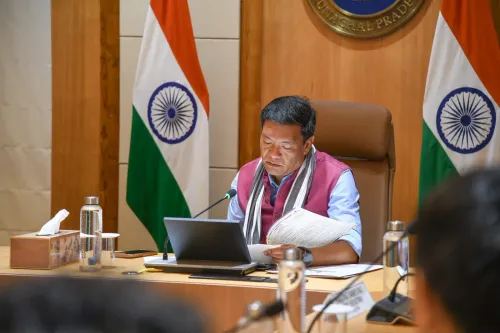
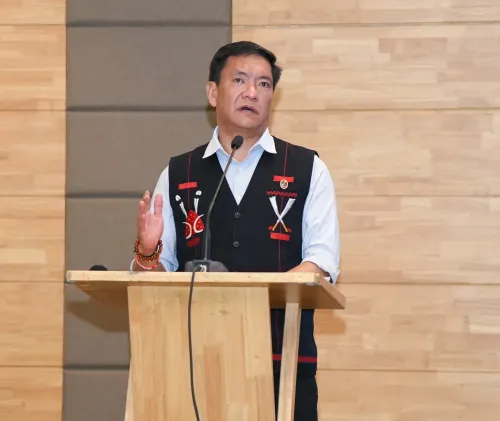
Arunachal Pradesh Chief Minister Pema Khandu on Tuesday, 7 July 2026, formally welcomed a group of young people from the state's diverse tribal communities who joined the Bharatiya Janata Party (BJP), describing their entry as a reflection of 'unity in diversity' and a shared commitment to serve both the state and the nation.
Context
In his post, CM Khandu stated: 'I proudly welcome the youth representing the diverse tribes of our State who have joined the BJP. Their coming together reflects the spirit of unity in diversity and a shared commitment to serve Arunachal Pradesh and the nation.' He also invoked Prime Minister Narendra Modi, noting that the PM 'has always believed that India's youth are its greatest strength and has consistently encouraged young people from every background to step into public life and become partners in nation-building.'
Arunachal Pradesh is home to more than 25 major tribes, making tribal outreach a central element of political mobilisation in the state. The induction of tribal youth into the party fold signals continued organisational expansion in a region that the BJP first governed in 2016.
Policy Backdrop
The BJP's sustained push into Northeast India has been built on two pillars: development-linked governance and deliberate inclusion of tribal and indigenous communities in party structures. Since 2014, Prime Minister Modi's public messaging — through platforms such as Mann Ki Baat (a monthly radio address) and the National Youth Policy 2014 framework — has consistently positioned India's youth as central to the nation-building agenda.
The party formed its first government in Arunachal Pradesh in 2016 under CM Khandu, initiating a decade-long effort to consolidate support by recruiting local youth leaders and engaging tribal constituencies. This strategy has helped the BJP displace regional formations that previously dominated the state's politics.
Stakeholders and Impact
The immediate beneficiaries of this induction are the tribal youth themselves, who gain a platform within a national party and, potentially, access to governance networks and public-service opportunities. For the BJP's Arunachal Pradesh state unit, fresh tribal representation strengthens grassroots reach ahead of future electoral cycles.
The move also carries strategic significance given Arunachal Pradesh's position as a sensitive border state adjoining China. Political stability and inclusive governance in such regions remain a stated priority of the central government, and youth engagement is one instrument through which the party reinforces that stability.
What's Next
Political observers will watch whether this induction is followed by structured youth conventions, leadership-training programmes, or larger membership drives targeting tribal communities across Arunachal Pradesh and neighbouring northeastern states. With the next assembly cycle on the horizon, the BJP's ability to deepen its tribal youth base could prove decisive in consolidating its hold on the state.
Point of View
Khandu ties a local membership event to a national ideological narrative, lending it outsized visibility. The move fits a decade-long BJP pattern of converting Northeast India's ethnic diversity from a political liability into an asset through targeted inclusion. With the next assembly cycle approaching, such grassroots consolidation among tribal youth could harden the party's structural advantage in Arunachal Pradesh.
NationPress
7 Jul 2026
Frequently Asked Questions
Why did CM Pema Khandu welcome tribal youth into the BJP?
CM Pema Khandu welcomed tribal youth from Arunachal Pradesh's diverse communities into the BJP as part of the party's ongoing effort to expand its grassroots base in the state, framing their entry as a symbol of unity in diversity and commitment to nation-building.
Which tribes are represented in Arunachal Pradesh?
Arunachal Pradesh is home to more than 25 major tribes, making it one of India's most ethnically diverse states. The BJP has pursued outreach across these communities since forming the state government in 2016.
When did the BJP first come to power in Arunachal Pradesh?
The BJP formed its first government in Arunachal Pradesh in 2016, with Pema Khandu as Chief Minister, marking a significant political shift in the state.
What is PM Modi's stance on youth participation in governance?
PM Narendra Modi has consistently emphasised youth participation in public life through platforms such as Mann Ki Baat and the National Youth Policy 2014, calling India's youth the country's greatest strength.
What does BJP's tribal outreach mean for Arunachal Pradesh politics?
The BJP's sustained tribal outreach in Arunachal Pradesh has helped it displace regional parties and consolidate power. Continued induction of tribal youth strengthens the party's grassroots network ahead of future state assembly elections.