CM Rekha Gupta: 274 Fugitives Brought Back Since 2019

Synopsis
Delhi Chief Minister Rekha Gupta says India has repatriated 274 fugitive offenders since 2019, pointing to BHARATPOL, the Fugitive Economic Offenders Act, and expanded global treaties as the tools driving what she calls an unshakeable resolve under PM Modi and Home Minister Amit Shah.
Key Takeaways
274 fugitive offenders have been repatriated to India since 2019 , according to Delhi CM Rekha Gupta's post dated August 5, 2026 .
BHARATPOL is cited as a key technological platform coordinating international tracking and repatriation of wanted individuals.
The Fugitive Economic Offenders Act, 2018 empowers Indian courts to confiscate domestic assets of those who flee prosecution.
India has progressively expanded its network of bilateral extradition treaties and mutual legal assistance agreements with foreign nations.
Political credit for the drive is attributed to PM Narendra Modi and Home Minister Amit Shah .
Pending extradition cases and parliamentary oversight of BHARATPOL remain key indicators to watch going forward.
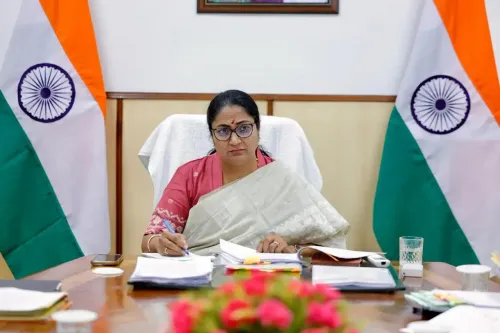
The days when criminals believed they could outrun Indian law by fleeing abroad are, according to Delhi Chief Minister Rekha Gupta, firmly over. In a post on Wednesday, August 5, 2026, she cited the repatriation of 274 fugitive offenders since 2019 as proof that no corner of the world now offers safe harbour from Indian justice.
What BHARATPOL brings to the chase
At the centre of Gupta's argument is BHARATPOL — India's dedicated portal for coordinating with international policing bodies to track and repatriate wanted individuals. She credits the system, alongside modern technology and a strengthened legal framework, with closing the gaps that fugitives once exploited. The post frames these tools not as bureaucratic upgrades but as the architecture of an 'unshakeable resolve' — ataal sankalp — that the current government has built brick by brick.
The political credit is explicit. Gupta attributes the direction to Prime Minister Narendra Modi and the operational guidance to Union Home Minister Amit Shah, positioning the fugitive-repatriation drive as a signature achievement of their administration.
The legal spine behind the numbers
The push did not begin in a vacuum. The Fugitive Economic Offenders Act, 2018 gave Indian courts the power to confiscate the domestic assets of those who flee the country to escape prosecution — removing the financial incentive to stay abroad. That statute, combined with an expanding web of bilateral extradition treaties and mutual legal assistance agreements, has gradually tightened the net around individuals who once bet that geography was their best defence.
India's inter-agency coordination and technological integration have been central to this effort, enabling law enforcement to build cases, issue red notices, and work with foreign jurisdictions on handovers that once dragged on for years.
The 274 figure and what comes next
The number 274 returnees since 2019 is the headline claim — and the most consequential one to watch. Pending extradition requests, the pace of treaty negotiations, and any parliamentary review of BHARATPOL's operational record will determine whether that figure keeps climbing or plateaus. High-profile cases still unresolved will remain the real test of whether the system's reach matches its ambition.
For now, Gupta's message lands as both a governance report card and a warning: the architecture is in place, and it is moving.
Point of View
Such as the Fugitive Economic Offenders Act, with institutional infrastructure like BHARATPOL to project an image of a state that has no blind spots. For Rekha Gupta, amplifying this record from Delhi serves a dual purpose: aligning the city's political messaging with the Centre's security credentials and reinforcing her administration's identity as an extension of the Modi-Shah governance model. The 274 figure, if independently verified, would represent a meaningful operational achievement; but the larger political signal is that the era of geography as a criminal defence is being systematically dismantled. How quickly pending high-profile cases resolve will determine whether the architecture delivers on its promise.
NationPress
5 Aug 2026
Frequently Asked Questions
What is BHARATPOL and how does it work?
BHARATPOL is India's dedicated portal for coordinating with international policing bodies to track, locate, and repatriate fugitive offenders who have fled the country. It centralises information and facilitates inter-agency and cross-border cooperation.
How many fugitives has India brought back since 2019?
Delhi Chief Minister Rekha Gupta stated in her August 2026 post that 274 fugitive offenders have been repatriated to India since 2019 , though this figure has not been independently confirmed from established public records.
What is the Fugitive Economic Offenders Act 2018?
The Fugitive Economic Offenders Act, 2018 allows Indian courts to declare a person a fugitive economic offender and confiscate their assets within India if they flee the country to avoid prosecution in cases involving economic crimes.
Who oversees India's extradition and fugitive repatriation efforts?
The Union Ministry of Home Affairs, headed by Home Minister Amit Shah , oversees internal security and coordinates extradition matters, working alongside law enforcement agencies and the judiciary.
Does India have extradition treaties with other countries?
Yes. India has progressively expanded its network of bilateral extradition treaties and mutual legal assistance agreements with numerous foreign nations, strengthening the legal basis for repatriating wanted individuals from abroad.