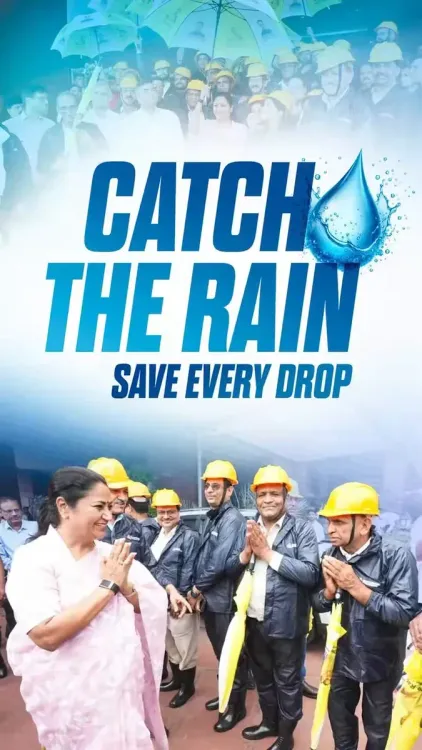
CM Rekha Gupta Backs 'Catch the Rain' as People's Movement
Synopsis
Delhi Chief Minister Rekha Gupta on July 31, 2026 called for the 'Catch the Rain' campaign to become a citizen-led movement, urging public participation in rainwater harvesting as Delhi battles seasonal groundwater depletion and monsoon runoff loss.
Key Takeaways
CM Rekha Gupta on July 31, 2026 publicly backed the 'Catch the Rain' campaign and called for it to become a jan andolan (people's movement).
The 'Catch the Rain' campaign was launched in 2021 by the Ministry of Jal Shakti under the National Water Mission to promote rainwater harvesting nationwide.
Delhi faces acute groundwater depletion worsened by rapid urbanisation that replaces permeable land with concrete, blocking natural aquifer recharge.
The campaign model prioritises community participation — rooftop units, recharge pits, check dams — over purely regulatory approaches.
Integration with the central Jal Jeevan Mission urban components and Delhi-specific incentives remain the key indicators to watch for follow-through.
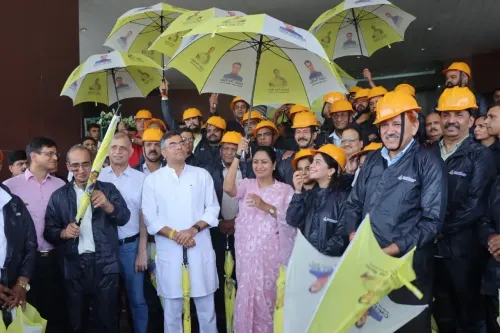
Every monsoon drop that hits Delhi's concrete and drains away is a missed opportunity — and Delhi Chief Minister Rekha Gupta wants that to stop. On Friday, July 31, 2026, the BJP leader issued a public call to transform the 'Catch the Rain' campaign into a mass citizen movement, urging Delhiites to make rainwater harvesting a personal and collective commitment.
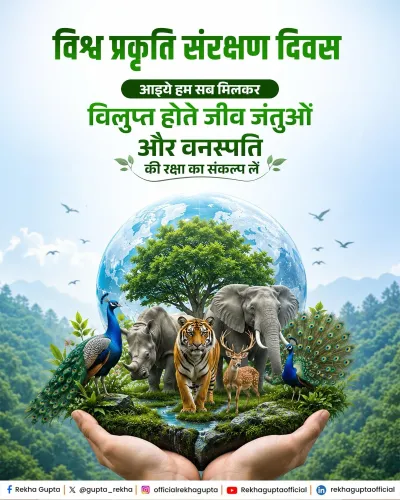
Posting in Hindi, CM Gupta wrote: 'Baarish ki har boond bachegi, tabhi bhavishya surakshit rahega' — 'Only if every raindrop is saved will the future remain secure.' She called on residents to join the campaign and make water conservation a jan andolan — a people's movement — rooted in public participation rather than top-down mandates.
'Catch the Rain' — From Central Scheme to Street-Level Push
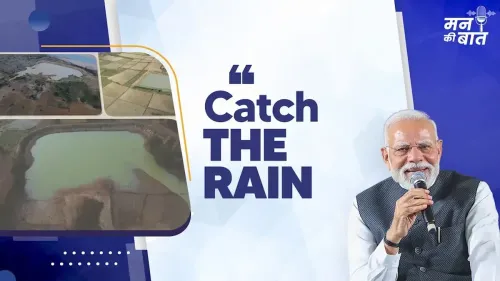
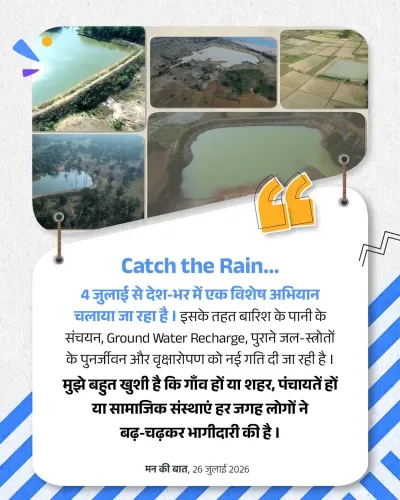
The 'Catch the Rain' campaign was launched in 2021 by the Ministry of Jal Shakti under the National Water Mission, with the explicit goal of turning rainwater harvesting from a bureaucratic checkbox into a living, community-driven habit. The campaign encourages states and urban local bodies to create infrastructure — check dams, rooftop harvesting units, recharge pits — while simultaneously building public awareness.
Delhi presents a sharp case study in why this matters. The national capital faces chronic groundwater depletion compounded by monsoon variability: rain arrives in intense, short bursts, most of it lost to stormwater drains before it can recharge aquifers. Urban sprawl has replaced permeable soil with concrete, cutting off the natural recharge cycle that once sustained the city's water table.
Why Community Buy-In Is the Missing Piece
India's water conservation architecture has historically leaned on regulation and infrastructure. The 'Catch the Rain' model bets on something different: that sustained behaviour change at the household and neighbourhood level — residents installing rooftop collection units, housing societies building recharge wells — can achieve what mandates alone cannot. CM Gupta's call explicitly frames this as a jan bhaagidaari ka sankalp, a 'pledge of public participation', signalling that the Delhi government wants ownership of the campaign to sit with citizens, not just officials.
The broader national pattern is clear: both the central government through Jal Shakti and state administrations have repeatedly returned to public campaigns as the lever of choice for water security, recognising that infrastructure without community adoption delivers only partial results. Whether Delhi follows this appeal with concrete incentives — subsidies for rooftop harvesting systems, integration with urban local body bylaws, or linkage to the Jal Jeevan Mission's urban components — will determine how much of this momentum converts into measurable impact.
The monsoon is here. The window to catch it is short. What Delhi does with these weeks may shape its water table for years.
Point of View
Softening scrutiny of infrastructure gaps. Whether the appeal is backed by policy teeth — subsidies, bylaws, measurable targets — will define whether this is a governance moment or a seasonal communication exercise. Delhi's water stress is real and worsening, which means the stakes for follow-through are unusually high.
NationPress
1 Aug 2026
Frequently Asked Questions
What is the 'Catch the Rain' campaign in India?
The 'Catch the Rain' campaign is a national initiative launched in 2021 by the Ministry of Jal Shakti under the National Water Mission. It promotes rainwater harvesting and groundwater recharge through community participation, awareness drives, and infrastructure creation across states and urban local bodies.
Why is rainwater harvesting important for Delhi?
Delhi faces severe groundwater depletion because rapid urbanisation has covered natural soil with concrete, preventing monsoon rain from recharging aquifers. Most rainfall drains away through stormwater systems before it can be stored or used, making harvesting critical for the city's long-term water security.
What did Delhi CM Rekha Gupta say about water conservation?
On July 31, 2026 , CM Rekha Gupta called on Delhi residents to make the 'Catch the Rain' campaign a mass people's movement, urging citizens to treat rainwater harvesting as a personal pledge of public participation to secure the future.
Which ministry runs the Catch the Rain scheme?
The Ministry of Jal Shakti , the central government ministry responsible for water resources and groundwater management, runs the 'Catch the Rain' campaign as part of the National Water Mission.
How can Delhi residents participate in rainwater harvesting?
Residents can install rooftop rainwater collection units, support housing society recharge pits, and engage with urban local body programmes that promote water conservation infrastructure — all key components of the 'Catch the Rain' model.