White House Claims 15 Months of Zero Illegal Border Crossings
Synopsis
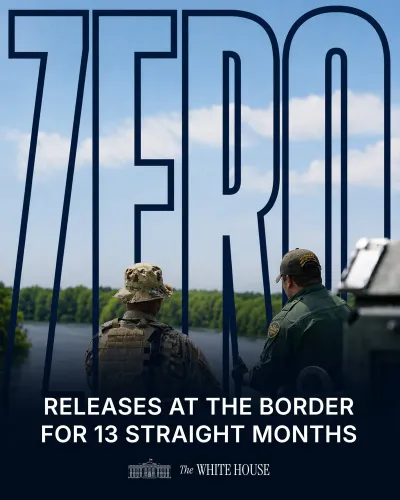
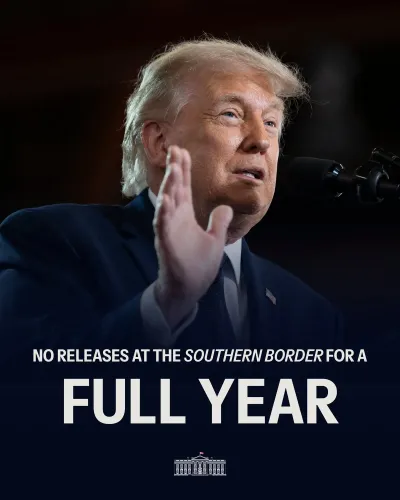
The White House declared on August 1, 2026 that President Trump has achieved 15 consecutive months of zero illegal aliens admitted, citing mass deportations and drug interdiction as proof of a locked-down US-Mexico border.
Key Takeaways
The White House claims 15 months of zero illegal aliens admitted into the United States as of August 1, 2026 .
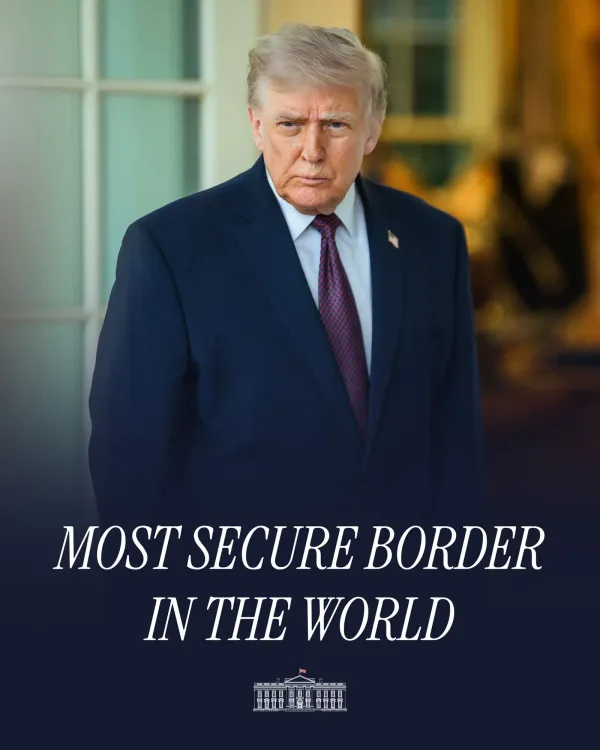
President Trump is credited with delivering on his core campaign promise of border security and keeping Americans safe.
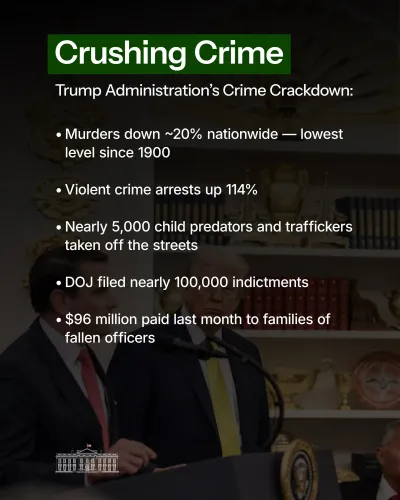
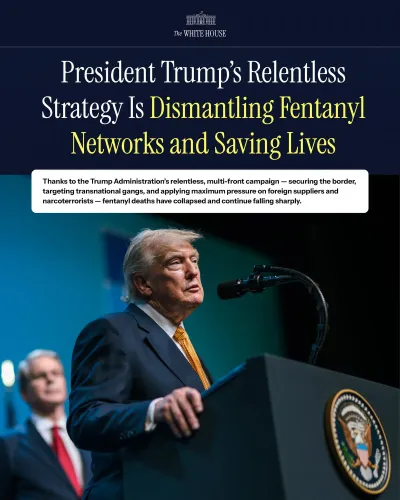
The administration highlights deportation of high-priority criminal aliens and a crackdown on deadly drug flows, particularly fentanyl.
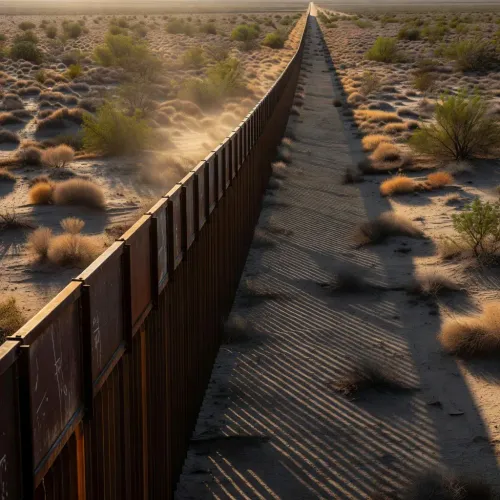
The policy architecture mirrors Trump's first-term approach: physical barriers, interior enforcement, and cooperation with Mexico .
The specific statistics cited are administration claims and have not been independently verified from available public records.
Congressional border funding and the US-Mexico bilateral enforcement relationship remain key variables for sustaining these outcomes.
Fifteen months, zero illegal aliens admitted — that is the headline the White House is putting forward on Saturday, August 1, 2026, as the Trump administration marks what it calls a transformational stretch of border enforcement unlike anything seen in recent American history.
The official White House account posted the claim on X, stating that President Donald Trump has delivered on his core campaign promise to 'lock down the border and keep Americans safe,' citing deportations of 'the worst of the worst' and a crackdown on the flow of fentanyl and other deadly drugs into the United States.
The 15-Month Border Claim and What It Signals
The administration's framing is sweeping: not a reduction in illegal crossings, not a slowdown — but zero. If accurate, it would represent a historic reversal from the record-high encounter numbers that defined the early 2020s at the US-Mexico border. The White House has tied this outcome to a combination of physical barriers, interior enforcement operations, and bilateral cooperation with Mexico — the same policy architecture that anchored Trump's first term beginning in 2017. The drug interdiction angle carries particular weight. Fentanyl, which has driven overdose deaths into the hundreds of thousands across the United States over the past decade, has been a consistent flashpoint in the border debate. The administration's messaging links narcotics trafficking directly to border porousness — a framing that has defined Republican immigration politics for years.Deportation Tempo and the 'Worst of the Worst' Framing
The White House's reference to deporting 'the worst of the worst' signals a continued emphasis on criminal-record-based prioritisation in removal operations — a policy posture that traces back to the Migrant Protection Protocols (Remain in Mexico) expanded in 2019, which forced many asylum seekers to await immigration hearings outside US territory. That framework, combined with aggressive interior enforcement, has been the administration's stated mechanism for driving down both the stock and flow of unauthorised migration. The specific statistics cited in the post — the 15-month figure, deportation volumes, and drug seizure data — fall outside independently verifiable records available at this time and should be treated as administration claims pending official government data releases.What Comes Next: Congress and the Mexico Factor
The durability of these gains will be tested on two fronts. First, Congressional action on border funding and asylum reform legislation remains unsettled, and any legislative reversal could alter enforcement capacity. Second, the bilateral enforcement architecture with Mexico — which has been the operational backbone of the administration's border strategy — depends on sustained diplomatic alignment that can shift with Mexican domestic politics. For now, the White House is planting a flag: the border, it says, is closed. Whether that claim survives independent audit will define the next chapter of America's most combustible policy debate.Point of View
The administration is making a categorical, falsifiable assertion that invites scrutiny. The framing of deportations and drug seizures as twin pillars of the strategy reflects a deliberate effort to merge the immigration and narcotics debates into a single security narrative, a consolidation that has proved electorally potent. For India, which watches US immigration enforcement closely given the large undocumented Indian population in America, the durability of this policy posture has real downstream consequences.
NationPress
1 Aug 2026
Frequently Asked Questions
What is the White House claiming about the US border in 2026?
The White House claims that for 15 consecutive months , zero illegal aliens have been admitted into the United States , attributing this to President Trump's border enforcement policies including deportations and drug interdiction.
What is Trump's border security policy?
President Trump's border policy combines physical barriers, aggressive interior enforcement, deportation of individuals with criminal records, and bilateral cooperation with Mexico — a framework that began in his first term with measures like the Migrant Protection Protocols (Remain in Mexico) in 2019 .
How does fentanyl relate to US border security?
The Trump administration links fentanyl trafficking directly to border enforcement, arguing that sealing the border reduces the flow of deadly drugs. Fentanyl has been a leading driver of overdose deaths in the United States and a central justification for strict border measures.
Can the White House's 15-month border claim be verified?
The specific '15 months of zero illegal aliens admitted' figure is an administration claim. Independent verification from official government data has not been confirmed in publicly available records at this time.
What could change Trump's border security gains?
Two main risks exist: Congressional failure to sustain border funding or pass supportive asylum legislation, and any shift in the bilateral enforcement cooperation between the United States and Mexico that underpins the operational strategy.