CM Rekha Gupta hails Supreme Court nod for voter list SIR

Synopsis
Delhi Chief Minister Rekha Gupta hailed the Supreme Court's ruling validating the Election Commission's Special Intensive Revision of electoral rolls, saying it exposes the opposition's campaign of misinformation against constitutional institutions.
Key Takeaways
The Supreme Court of India upheld the Election Commission's Special Intensive Revision (SIR) of electoral rolls as fully valid and constitutional.
Delhi CM Rekha Gupta called the verdict 'extremely important' and said it demolishes the opposition's narrative against constitutional bodies.
The Election Commission derives its authority to conduct electoral roll revisions from Article 324 of the Constitution.
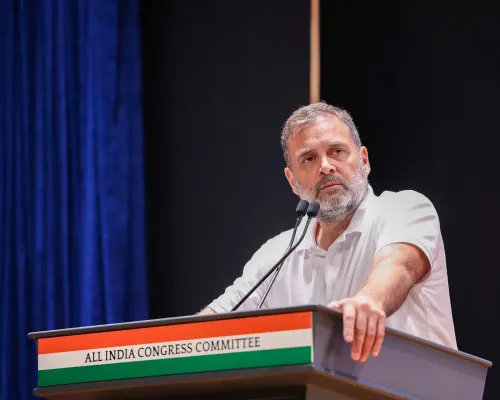
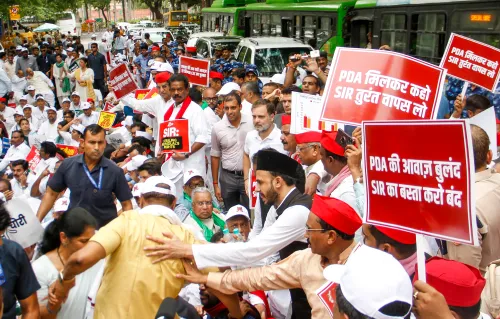
The Indian National Congress and allied opposition parties had questioned the SIR's methodology and timing before the court ruling.
Implementation of the SIR across assembly constituencies and publication of revised rolls will be the next key development to watch.
The ruling continues a broader judicial pattern of affirming the Election Commission's institutional autonomy against political challenges.
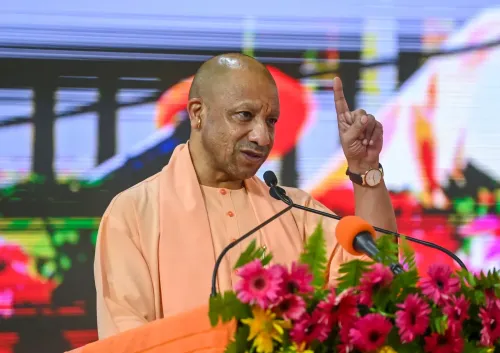
Delhi Chief Minister Rekha Gupta on Wednesday, 27 May 2026 welcomed the Supreme Court of India's ruling upholding the Election Commission of India's Special Intensive Revision (SIR) of electoral rolls as fully valid and constitutional, calling the verdict a decisive blow to what she described as the opposition's campaign of misinformation against constitutional institutions.
Context
In her post, Rekha Gupta stated that the apex court's decision is 'अत्यंत महत्वपूर्ण' ('extremely important') and that it 'completely demolishes the agenda of the Congress and the opposition alliance, which has been continuously spreading lies and confusion to hide its own political incompetence and throwing mud at constitutional institutions.'
She further argued that the ruling has 'exposed the negative politics of the opposition, which places every democratic institution under suspicion for its own narrow political interests.'
Policy Backdrop
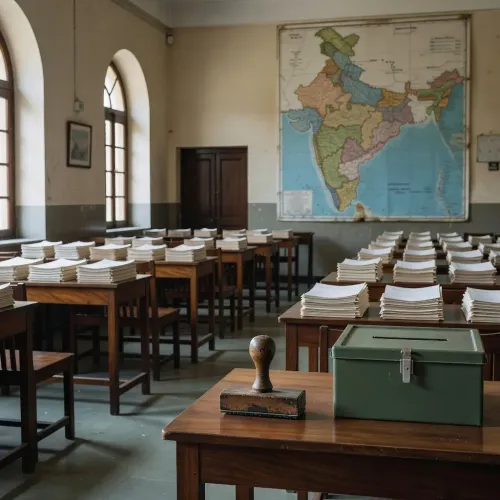
The Election Commission of India, empowered under Article 324 of the Constitution, periodically conducts intensive revisions of electoral rolls to ensure accuracy and completeness ahead of major elections. The Special Intensive Revision process involves door-to-door verification and addition or deletion of voter entries at the booth level.
Similar exercises were undertaken before the 2019 and 2024 Lok Sabha elections and have, on both occasions, drawn scrutiny from opposition parties who raised concerns about methodology and timing. The Supreme Court's affirmation of the Commission's authority in this instance follows a pattern of judicial rulings reinforcing the constitutional autonomy of the poll body.
Stakeholders and Impact
The ruling directly affects crores of voters across the country whose names are subject to inclusion, deletion, or correction under the SIR process. For political parties, the integrity of electoral rolls is a high-stakes issue, as errors or omissions can affect electoral outcomes at the constituency level.
The Indian National Congress and other opposition parties had challenged or questioned the SIR's scope and timing, arguing it lacked sufficient transparency. The court's verdict, as cited by Rekha Gupta, forecloses those legal avenues and shifts the political debate back to the administrative domain.
For the Bharatiya Janata Party, the ruling provides institutional validation at a time when electoral credibility remains a contested political battleground.
What's Next
Attention now turns to the ground-level implementation of the SIR across assembly constituencies and the publication of the revised electoral rolls. Opposition parties may pursue parliamentary questions or seek greater disclosure of the revision methodology as alternative pressure points.
Any follow-up petitions challenging specific aspects of the roll-revision process, or demands for independent audit of deletions and additions, are likely to define the next phase of this debate as election calendars approach.
Point of View
Allowing it to reframe opposition scrutiny of the poll body as judicially discredited. For the BJP, Rekha Gupta's swift amplification of the verdict signals a coordinated effort to shift the political narrative from governance accountability to constitutional legitimacy. The Congress and its allies now face the challenge of sustaining public pressure on electoral transparency through legislative and administrative channels rather than judicial ones. This episode fits a recurring pattern in Indian electoral politics where court rulings on institutional authority become as much a political resource as a legal settlement.
NationPress
11 Oct 2026
Frequently Asked Questions
What is the Supreme Court ruling on the Election Commission's SIR?
The Supreme Court of India upheld the Election Commission's Special Intensive Revision of electoral rolls as fully valid and constitutional, affirming the Commission's authority to conduct such exercises under Article 324.
What is Special Intensive Revision (SIR) of electoral rolls?
Special Intensive Revision is a process by which the Election Commission conducts door-to-door verification to add, delete, or correct voter entries in electoral rolls, typically undertaken ahead of major elections.
Why did the opposition oppose the SIR voter list revision?
Opposition parties, including the Indian National Congress, questioned the timing and methodology of the SIR, raising concerns about transparency and the potential for wrongful deletion or exclusion of voters.
What did Delhi CM Rekha Gupta say about the Supreme Court verdict?
Rekha Gupta called the verdict 'extremely important' and said it completely demolishes the Congress and opposition alliance's agenda of spreading lies and confusion while throwing mud at constitutional institutions.
What happens after the Supreme Court upholds the Election Commission's SIR?
The Election Commission will proceed with implementing the SIR across assembly constituencies and publish revised electoral rolls; opposition parties may pursue parliamentary questions or seek administrative disclosures as follow-up.