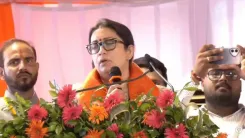
CM Rekha Gupta Rolls Out Delhi's Ayushman Health Push
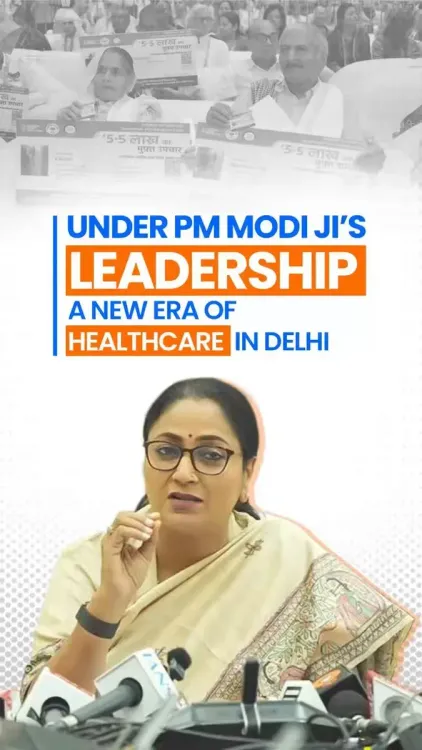
Synopsis
Delhi CM Rekha Gupta highlights over 9 lakh Ayushman Bharat enrollments, a ₹10 lakh combined health cover, 3 lakh senior citizens under Vay Vandana Yojana, medicines up to 90% cheaper at Jan Aushadhi Kendras, and 415 of a targeted 1,100 Ayushman Arogya Mandirs now operational in Delhi.
Key Takeaways
Delhi's Ayushman Bharat cover combines ₹5 lakh Centre + ₹5 lakh Delhi government for a total of ₹10 lakh per family.
Over 9 lakh people have enrolled under the scheme in Delhi, according to CM Rekha Gupta.
More than 3 lakh senior citizens are enrolled under the Vay Vandana Yojana .
Jan Aushadhi Kendras offer medicines at up to 90% below branded market prices.
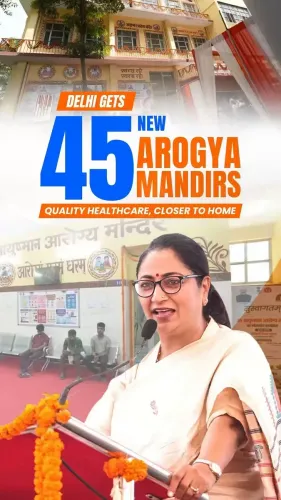
415 Ayushman Arogya Mandirs are operational; the Delhi government has set a target of 1,100 .
The rollout was reportedly prioritised in the BJP-led Delhi Cabinet's very first meeting.
A ₹10 lakh health cover for every eligible Delhiite, generic medicines at up to 90% off, and wellness centres spreading across the capital — Delhi Chief Minister Rekha Gupta on Wednesday, October 14, 2026 laid out a sweeping health-access scorecard for the city, anchoring it firmly to the Ayushman Bharat framework launched by Prime Minister Narendra Modi.
₹10 Lakh Cover and the First Cabinet Signal
The headline number is the combined coverage: ₹5 lakh from the Centre's Ayushman Bharat Pradhan Mantri Jan Arogya Yojana topped up by a matching ₹5 lakh from the Delhi government — doubling the standard national entitlement. CM Gupta says the Delhi Cabinet greenlit the scheme's implementation in its very first meeting, a deliberate signal of where the BJP-led government placed its priorities from day one.
Enrollment, according to the Chief Minister, has crossed 9 lakh beneficiaries. That figure — alongside the 3 lakh-plus senior citizens registered under the Vay Vandana Yojana — suggests the city's health-insurance net is widening fast, even if ground-level verification of the exact numbers is still awaited.
Jan Aushadhi Counters and the Medicine Price Gap
Parallel to the insurance push, Jan Aushadhi Kendras — the Centre's chain of generic-medicine outlets — are operating as a pressure valve on out-of-pocket costs. CM Gupta cites medicines available at up to 90% below branded market prices, a figure that, if sustained at scale, can meaningfully shift household health spending for low- and middle-income families in a high-cost city like Delhi.
The logic is straightforward: insurance covers hospitalisation, but most health spending in India happens at the chemist's counter, on routine prescriptions. Cheap generics close that second gap. Together, the two pillars — insurance and affordable medicines — attempt a pincer move on out-of-pocket expenditure.
415 Mandirs Down, 685 More to Go
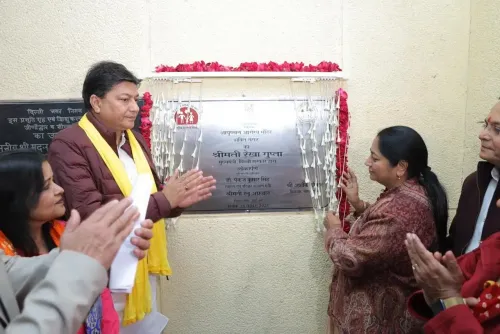
On primary care, CM Gupta flags 415 Ayushman Arogya Mandirs already operational in Delhi, against a stated target of 1,100. These Health and Wellness Centres, rebranded under the Ayushman Bharat architecture, are designed to deliver comprehensive primary-care services closer to where people live — reducing the pressure on tertiary hospitals for conditions that need far simpler interventions.
The gap between 415 and 1,100 is the story to watch. Hitting that target would give Delhi one of the denser primary-care networks among Indian metros, but it requires sustained budget allocation, land acquisition in a land-scarce city, and trained frontline health workers to staff each centre.
Delhi in the Larger BJP Health Playbook
Delhi's model fits a visible pattern: BJP-governed states adopting the Centre's Ayushman Bharat spine and layering on state-funded top-ups to deepen coverage. The approach lets states claim local ownership of a popular central scheme while using Delhi's dense population to generate politically visible enrollment numbers quickly.
CM Gupta's post, tagged #SevaSankalpAbhiyan and #25YearsOfSeva, ties the health rollout to a broader BJP anniversary campaign — framing the welfare push as both governance delivery and political identity.
Whether Delhi's ambition of 1,100 wellness centres and a ₹10 lakh cover for every resident translates into measurable health outcomes — fewer catastrophic medical bills, earlier diagnoses, shorter queues at government hospitals — is the real ledger Delhi voters will eventually audit.
Point of View
100 target, however, will test whether the rhetoric of 'Viksit Delhi' converts into bricks-and-mortar primary care before the next election cycle. The dual hashtag — a service campaign and a 25-year party anniversary — underscores how tightly the BJP intends to weave governance delivery with organisational identity in Delhi.
NationPress
14 Oct 2026
Frequently Asked Questions
What is the health cover amount under Ayushman Bharat in Delhi?
Delhi's Ayushman Bharat beneficiaries receive a combined cover of ₹10 lakh — ₹5 lakh from the Central government and an additional ₹5 lakh from the Delhi government.
How many people have enrolled under Ayushman Bharat in Delhi?
According to Delhi CM Rekha Gupta, over 9 lakh people have enrolled under the scheme in Delhi, though these figures are yet to be independently verified.
What is the Vay Vandana Yojana in Delhi?
The Vay Vandana Yojana is a Delhi government health scheme specifically targeting senior citizens; CM Gupta states that over 3 lakh elderly residents have enrolled under it.
How cheap are medicines at Jan Aushadhi Kendras in Delhi?
Jan Aushadhi Kendras sell quality generic medicines at prices up to 90% lower than branded equivalents, making them a key tool for reducing out-of-pocket healthcare costs.
What is the target for Ayushman Arogya Mandirs in Delhi?
The Delhi government has set a target of establishing 1,100 Ayushman Arogya Mandirs (Health and Wellness Centres) across the capital; 415 are currently operational.