CM Rekha Gupta echoes Amit Shah's challenge to Congress
Synopsis
Delhi CM Rekha Gupta amplified a challenge from Union Home Minister Amit Shah, citing nine states — from Tamil Nadu to Maharashtra — where Congress has had no Chief Minister for between 12 and 59 years, asking whether 'vote theft' explains those absences too.
Key Takeaways
Delhi CM Rekha Gupta shared a political challenge attributed to Union Home Minister Amit Shah targeting Congress's electoral record.
Congress has not produced a Chief Minister in Tamil Nadu (59 years), West Bengal (49 years), Sikkim (42 years), UP (37 years), Bihar (36 years), Gujarat (30 years), Odisha (26 years), Nagaland (23 years), and Maharashtra (12 years) .
The post directly challenges Congress's recurring 'vote chori' (vote theft) narrative by applying it to multi-decade power droughts across nine diverse states.
The states cited span every major Indian region — south, east, northeast, west, and the Hindi heartland — undermining any single-region explanation.
The messaging signals a coordinated BJP top-down strategy framing Congress's losses as an organisational failure, not electoral manipulation.
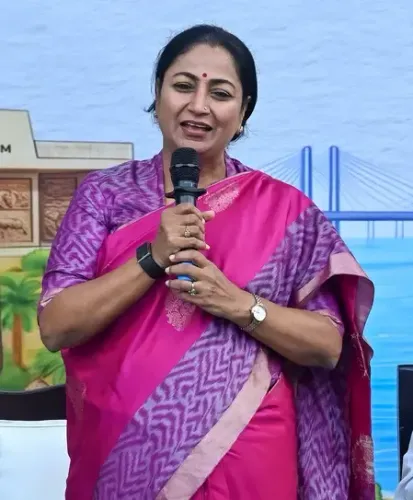
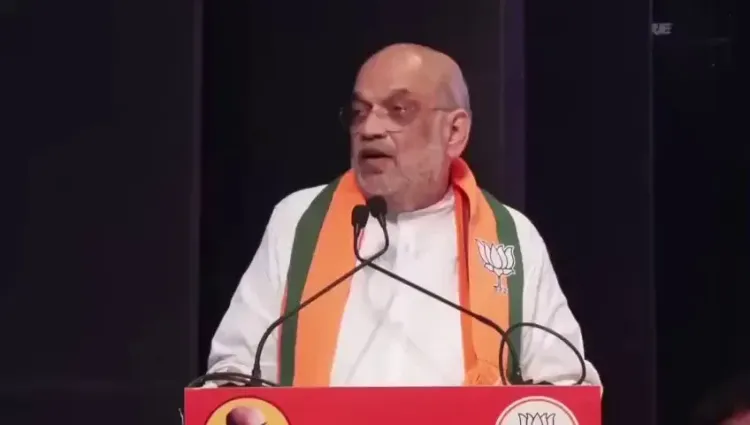
Nine states. Decades without power. And one sharp question aimed at the heart of Congress's favourite alibi. Delhi Chief Minister Rekha Gupta on Saturday, October 10, 2026, amplified a pointed political challenge — attributed to Union Home and Cooperation Minister Amit Shah — asking why Congress has failed to produce a Chief Minister in nine major Indian states for stretches ranging from 12 to 59 years.
The numbers that frame the challenge
The post lays out a state-by-state timeline: Congress has been out of the CM's chair in Tamil Nadu for 59 years, West Bengal for 49 years, Sikkim for 42 years, Uttar Pradesh for 37 years, Bihar for 36 years, Gujarat for 30 years, Odisha for 26 years, Nagaland for 23 years, and Maharashtra for 12 years. The cumulative picture is striking — across some of India's most populous and politically significant states, Congress has been a bystander at the top for a generation or more.
The 'vote-theft' counter punched directly
The rhetorical sting is in the closing line. Gupta — relaying Shah's argument — asks Congress to explain whether 'vote chori' (vote chori, meaning 'vote theft') is also responsible for these decades-long absences. The question directly targets a recurring Congress talking point: that electoral losses, particularly to the BJP, are tainted by rigging or institutional manipulation. By stacking nine states across different linguistic, cultural, and regional contexts — from the deep south to the northeast — the argument is designed to make that alibi look structurally untenable.
Why this salvo lands in the current political climate
Congress has faced persistent questions about its organisational depth outside its strongholds. The states cited span every major region of India — the Hindi heartland, the south, the east, the northeast, and the west — making it difficult to attribute the drought to any single regional or caste dynamic. The BJP and its allies have increasingly leaned on this 'organisational collapse' narrative ahead of state election cycles, framing Congress's electoral struggles as a failure of leadership and ground presence rather than external interference. Gupta's post, by anchoring the argument to Shah's authority, signals that this line of attack is now a coordinated, top-down messaging strategy.
The challenge is unlikely to go unanswered — but Congress will need more than a counter-tweet to address a scorecard this long.
Point of View
BJP responds with raw electoral geography that is hard to rebut. By attributing the argument to Amit Shah and amplifying it through a sitting Chief Minister, the party ensures the talking point travels across multiple tiers of its communication chain. The nine-state list is deliberately curated to be cross-regional and bipartisan in its targets — states lost to regional parties, the Left, and the BJP alike — making a unified 'rigging' explanation structurally implausible. This is less a spontaneous tweet and more a coordinated pre-election messaging volley.
NationPress
11 Oct 2026
Frequently Asked Questions
In which states has Congress not had a Chief Minister for decades?
According to the post shared by Delhi CM Rekha Gupta, Congress has had no Chief Minister in Tamil Nadu for 59 years, West Bengal for 49 years, Sikkim for 42 years, Uttar Pradesh for 37 years, Bihar for 36 years, Gujarat for 30 years, Odisha for 26 years, Nagaland for 23 years, and Maharashtra for 12 years.
What is the 'vote chori' argument Rekha Gupta is referring to?
'Vote chori' means 'vote theft' in Hindi. Congress has at times alleged that electoral losses — particularly to the BJP — involve irregularities or institutional bias. The post challenges this claim by pointing to states where Congress has been out of power for decades, including in non-BJP-governed states.
Who originally made this argument about Congress and nine states?
The post attributes the argument to Union Home and Cooperation Minister Amit Shah. Delhi CM Rekha Gupta amplified it on her official X account on October 10, 2026.
Why is BJP raising Congress's state-level record now?
The BJP has increasingly used Congress's long absences from power in key states to counter the opposition's narrative of institutional bias and electoral manipulation, framing the losses instead as a result of organisational decline and weak leadership.
Is this a new BJP attack line against Congress?
No. BJP leaders have periodically highlighted Congress's dwindling state footprint over the years, but the coordinated amplification of a specific nine-state list by both a senior cabinet minister and a sitting Chief Minister suggests a sharpened, structured messaging push.