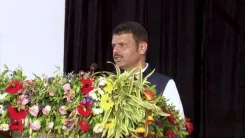
CM Rekha Gupta Hails 30% Cap on Cancer Drug Profits
Synopsis
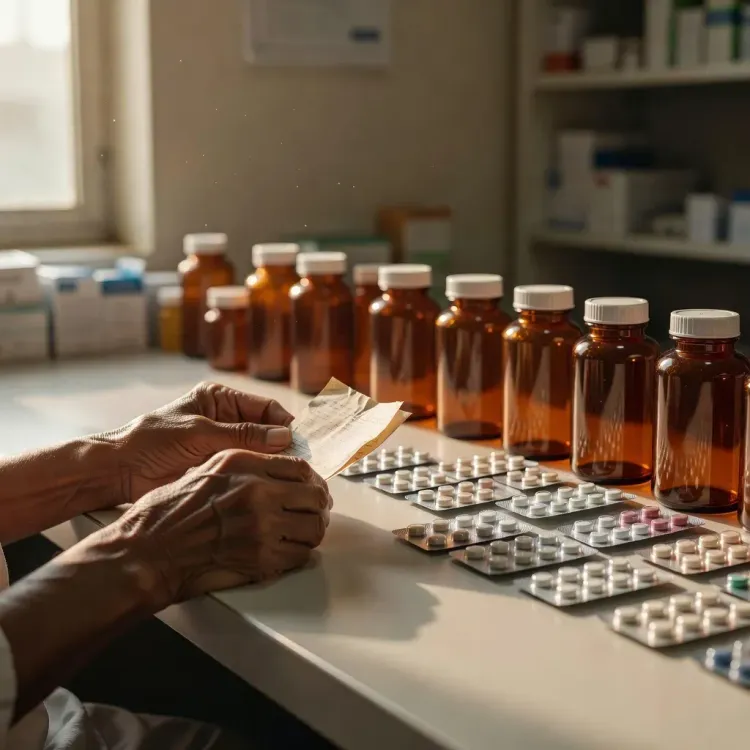
The Central Government has capped trade margins on non-scheduled cancer medicines at 30%, projecting up to 70% price cuts and ₹2,500 crore in annual patient savings. Delhi CM Rekha Gupta praised the move, crediting PM Modi and Health Minister J.P. Nadda.
Key Takeaways
The Centre has approved a 30% cap on trade margins for non-scheduled cancer medicines.
Drug prices are projected to fall by up to 70% as a result of the cap.
Patients are expected to save approximately ₹2,500 crore annually .
Delhi CM Rekha Gupta credited PM Narendra Modi and Union Health Minister J.P.
Nadda for the decision.
Non-scheduled drugs were previously outside direct price controls, allowing unchecked margin stacking across the supply chain.
Delhi serves as a major cancer-care referral hub, making the policy especially consequential for patients in the capital and surrounding states.
For millions of Indian families watching a loved one battle cancer, the cost of treatment has long been a second crisis running alongside the disease itself. On Friday, October 9, 2026, Delhi Chief Minister Rekha Gupta welcomed a landmark central government decision: a 30% ceiling on trade margins for non-scheduled cancer medicines — a move expected to slash drug prices by up to 70% and save patients roughly ₹2,500 crore every year.
CM Gupta posted on X attributing the decision to the 'sensitive leadership' (संवेदनशील नेतृत्व) of Prime Minister Narendra Modi and the efforts of Union Health Minister J.P. Nadda. Her post read in translation: 'The Central Government has approved fixing the maximum profit limit on non-scheduled cancer medicines at 30%. This is expected to bring down drug prices by up to 70% and save patients approximately ₹2,500 crore annually.'What the 30% trade-margin cap actually means
'Non-scheduled' medicines are those not covered under the government's existing price-control list — they have historically operated in a regulatory grey zone where manufacturers and distributors could stack margins freely. By capping the trade margin at 30%, the government is directly compressing the markups added between the factory gate and the patient's hands. In cancer care — where branded drugs routinely carry margins several times higher — the downstream price fall can be steep, which is where the projected 70% price reduction figure originates.
The scale of the relief being projected — ₹2,500 crore in annual savings — underscores just how inflated those margins have been. For a family spending, say, ₹50,000 a month on chemotherapy drugs, a 70% reduction is not a discount. It is the difference between continuing treatment and abandoning it.
Delhi's stake in affordable cancer treatment
Delhi functions as a referral hub for cancer patients from across northern and central India, with major oncology centres drawing families from Uttar Pradesh, Haryana, Rajasthan, Bihar and beyond. CM Gupta's vocal endorsement of the policy reflects both the political salience of healthcare costs in the capital and the city's outsized exposure to out-of-pocket cancer expenditure.
The Chief Minister framed the decision as a step toward ensuring 'every patient gets better and affordable treatment, every family gets financial support' — language that connects individual relief to a broader welfare commitment from the ruling dispensation.
If the projected savings materialise at scale, this single regulatory tweak could become one of the most tangible healthcare-affordability wins for ordinary Indian households in recent years. The real test, as always, will be enforcement.
Point of View
The timing and scale of the projected savings offer a powerful healthcare-affordability narrative ahead of any electoral cycle, anchoring welfare messaging in a concrete, verifiable number. CM Rekha Gupta's swift amplification signals that Delhi's BJP leadership sees this as a reputational asset worth owning, particularly in a city where middle-class families grappling with catastrophic cancer costs represent a significant vote constituency. The real political credibility of the move will depend entirely on how rigorously the margin cap is enforced across the pharmaceutical supply chain.
NationPress
9 Oct 2026
Frequently Asked Questions
What is the new rule on cancer drug prices in India?
The Central Government has capped the maximum trade margin on non-scheduled cancer medicines at 30%, which is expected to reduce prices by up to 70% at the patient level.
How much money will patients save under the new cancer drug cap?
The government projects that patients will collectively save approximately ₹2,500 crore every year as a result of the 30% trade-margin ceiling on non-scheduled cancer drugs.
What are non-scheduled medicines in India?
Non-scheduled medicines are drugs not included on the government's official price-control list. They have historically been sold without any government-mandated ceiling on trade margins, allowing much higher markups than scheduled drugs.
Who is responsible for the cancer drug price decision?
Delhi CM Rekha Gupta attributed the decision to PM Narendra Modi's leadership and the specific efforts of Union Health Minister J.P. Nadda.
How does the trade margin cap reduce drug prices?
A trade margin cap limits the markup that distributors and retailers can add between the manufacturer's price and the final sale price. Capping it at 30% directly compresses the layered markups that have historically made cancer drugs unaffordable.