CM Rekha Gupta hails India's first indigenous satellite battery
Synopsis
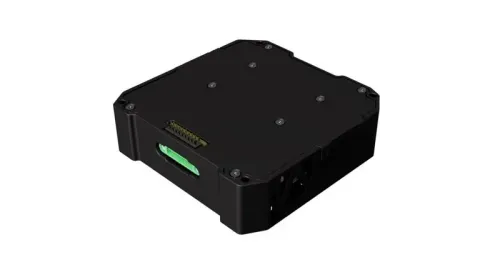
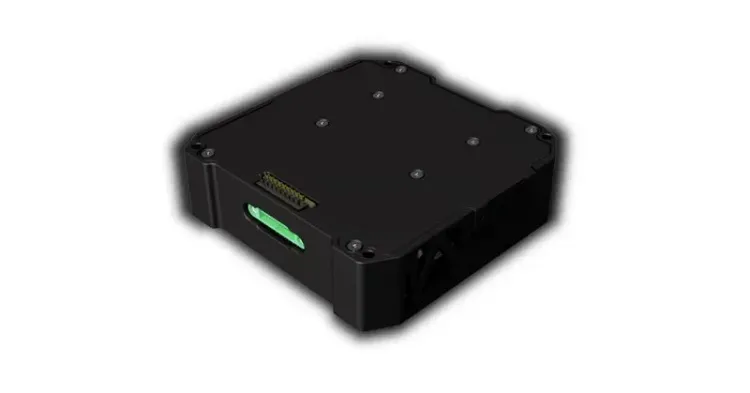
Delhi Chief Minister Rekha Gupta has highlighted TakeMe2Space's PowerBank-50 as India's first indigenously built satellite battery, space-proven on the Vikram-1 mission. The milestone advances the Aatmanirbhar Bharat push to reduce import dependence in the country's rapidly growing private space sector.
Key Takeaways
TakeMe2Space has developed the PowerBank-50 , described as India's first indigenously built satellite battery.
The battery has achieved 'space-proven' status aboard the Vikram-1 mission, giving it critical flight heritage.
The development reduces India's dependence on costly imported power systems for satellite programmes.
The milestone aligns with the Aatmanirbhar Bharat initiative launched in 2020 to indigenise critical technologies.
India's 2020 space sector liberalisation opened the door for private startups like TakeMe2Space to fill supply chain gaps.
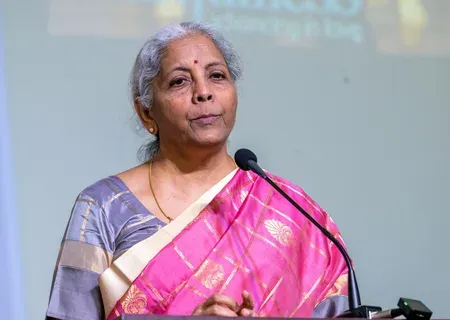
Delhi Chief Minister Rekha Gupta flagged the development on July 31, 2026 as part of India's growing space ecosystem.
India's space ambitions just got a new power source. Delhi Chief Minister Rekha Gupta on Friday, July 31, 2026, spotlighted a quiet but consequential leap forward: TakeMe2Space, an Indian space startup, has built the country's first indigenously developed satellite battery — the PowerBank-50 — cutting a critical thread of import dependence in the nation's growing space supply chain.
What the PowerBank-50 actually means for India's space supply chain
Satellite batteries are not glamorous. They don't make headlines the way rocket launches do. But they are essential — powering onboard systems through the darkness of orbital night, where failure is not an option and replacements are impossible. Until now, Indian satellite programmes have relied heavily on foreign-sourced power systems, adding cost, lead time, and strategic vulnerability to every mission.
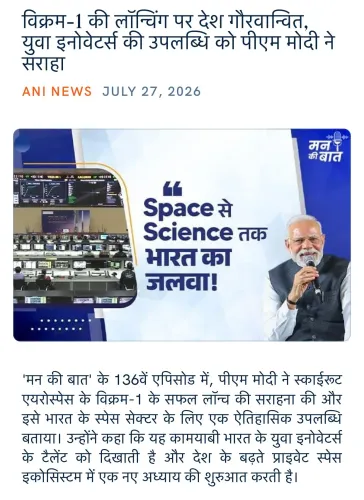
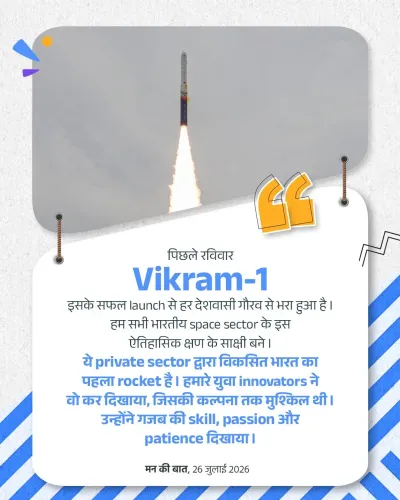
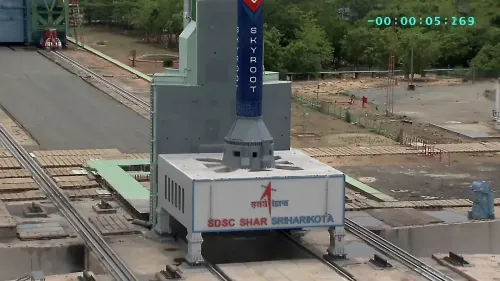
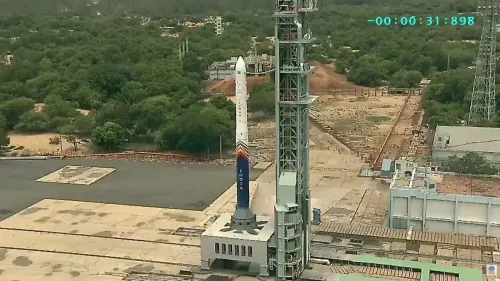
The PowerBank-50 changes that calculus. According to CM Gupta's post, the battery has achieved 'space-proven' status — a critical certification threshold — aboard the Vikram-1 mission, making it a flight-tested, not merely lab-tested, indigenous component. That distinction matters enormously to satellite manufacturers evaluating domestic alternatives.
The 2020 reforms that made TakeMe2Space possible
This milestone does not exist in a vacuum. In 2020, India liberalised its space sector, opening satellite development and launch activities to private companies for the first time. That same year, the Aatmanirbhar Bharat initiative set indigenisation of critical technologies as a national priority. TakeMe2Space is a direct product of that policy environment — a startup filling a gap in the domestic supply chain that state agencies alone could not close at pace.
The broader pattern is deliberate: India has been systematically targeting individual satellite components — sensors, propulsion sub-systems, communication hardware — for domestic development, reducing the number of single-point import dependencies that could slow or ground a mission. A flight-proven battery is one of the more significant boxes now ticked.
What comes next for domestic space hardware
The immediate question is adoption. A space-proven component on Vikram-1 opens the door to integration in future ISRO and private satellite missions, where procurement decisions are driven heavily by flight heritage. If the PowerBank-50 earns a place on the next generation of commercial or government satellites, TakeMe2Space's breakthrough moves from symbolic to structural — a permanent fixture in India's space supply chain rather than a one-mission showcase.
India's space sector is building its own stack, component by component. The battery is in.
Point of View
Strategic autonomy, and visible technological progress. The deeper significance, however, is structural — a flight-proven domestic satellite battery reduces a real supply-chain vulnerability, not just a rhetorical one. Whether adoption by ISRO or commercial operators follows will determine whether this is a genuine turning point or a celebrated prototype.
NationPress
31 Jul 2026
Frequently Asked Questions
What is the PowerBank-50 satellite battery?
The PowerBank-50 is India's first indigenously developed satellite battery, built by the Indian space startup TakeMe2Space. It has achieved space-proven status aboard the Vikram-1 mission, meaning it has been successfully tested in actual spaceflight conditions.
What is TakeMe2Space?
TakeMe2Space is an Indian space startup focused on developing indigenous satellite components, including batteries and other hardware, to reduce India's reliance on imported parts for its space programmes.
Why is an indigenous satellite battery significant for India?
Satellite batteries are critical components that power onboard systems during orbital operations. Previously, India depended on costly foreign-sourced power systems. A domestic, flight-proven alternative reduces import costs, lead times, and strategic vulnerabilities for both government and private satellite missions.
What is Aatmanirbhar Bharat and how does it relate to the space sector?
Aatmanirbhar Bharat is a national self-reliance initiative launched in May 2020 to boost domestic manufacturing and reduce import dependence across strategic sectors, including space. The 2020 liberalisation of India's space sector allowed private companies to develop indigenous components under this policy framework.
What is the Vikram-1 mission?
Vikram-1 is a launch vehicle or mission that served as the platform on which the PowerBank-50 battery achieved its space-proven certification, confirming its performance in actual spaceflight rather than only laboratory conditions.