CM Rekha Gupta hails Nilekani-led exam reform task force
Synopsis
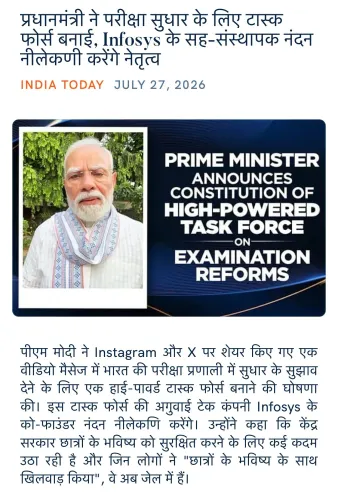
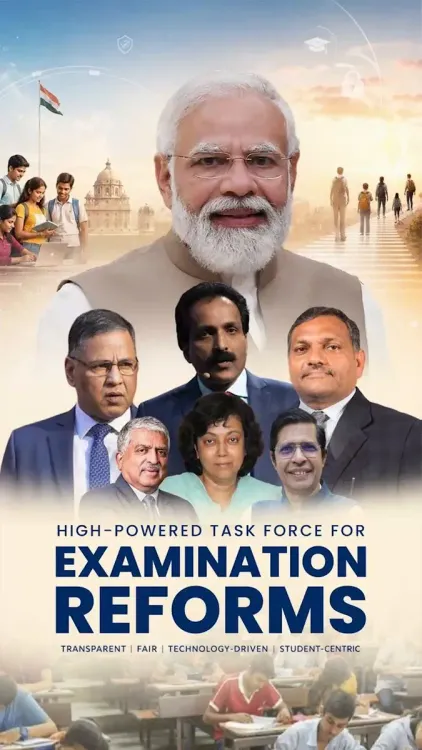
Delhi Chief Minister Rekha Gupta has welcomed the Modi government's formation of a High-Powered Task Force chaired by Infosys co-founder and Aadhaar architect Nandan Nilekani to overhaul India's examination system with technology, security and transparency at its core.
Key Takeaways
The central government has constituted a High-Powered Task Force on examination reform, chaired by Nandan Nilekani .
The panel draws experts from technology, education, science, administration, intelligence and logistics .
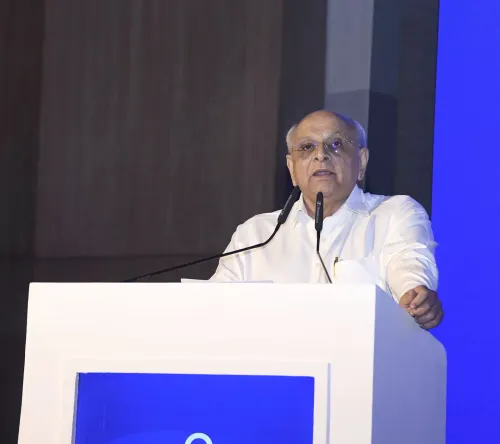
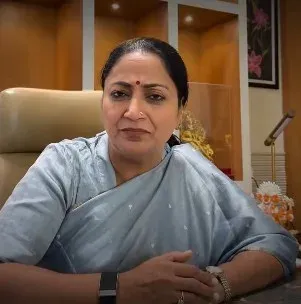
Delhi Chief Minister Rekha Gupta described it as 'a major step towards examination reforms' under PM Narendra Modi .
Nilekani previously led UIDAI , building the Aadhaar identity infrastructure used by over a billion Indians.
The move follows sustained public concern over irregularities in national-level competitive examinations.
Formal terms of reference and pilot security measures are the immediate deliverables to watch.
India's examination system is getting a high-powered overhaul. Delhi Chief Minister Rekha Gupta on Tuesday, July 28, 2026, welcomed the central government's constitution of a High-Powered Task Force to build what she called a 'transparent, secure and future-ready examination ecosystem' — with none other than Nandan Nilekani in the chair.
Nilekani at the helm — a deliberate signal
The choice of Nandan Nilekani is not incidental. The co-founder of Infosys and the architect of Aadhaar as former Chairman of UIDAI has a track record of converting sprawling, complex government challenges into scalable digital systems. Appointing him to lead a task force on examination integrity sends a clear message: this is a technology-first intervention, not a procedural patch.
The task force is reported to bring together experts spanning technology, education, science, administration, intelligence and logistics — a deliberately cross-disciplinary bench designed to address exam security from every angle, from question-paper leaks to impersonation to digital delivery.
Exam integrity: the pressure that built this moment
India's national examinations have faced sustained scrutiny in recent years. Reported irregularities in high-stakes tests — affecting millions of students competing for seats in medicine, engineering and government service — have sharpened public demand for structural reform. A task force of this composition signals that the Modi government is treating the problem as a systems failure, not a series of isolated incidents.
The move fits squarely within the broader arc of Digital India, launched in 2015, which progressively applied technology to public services — from Aadhaar-linked identity to UPI payments. Education and examination infrastructure is now the next frontier in that journey.
What the task force must now deliver
The immediate test will be whether the government publishes formal terms of reference and a working timeline. A high-profile chairperson and a multi-expert panel raise expectations sharply — students, parents and examination bodies will be watching for concrete pilot measures on exam security, not just a report. The credibility of the exercise depends on what comes next, and how fast.
If Nilekani's Aadhaar blueprint is any guide, the ambition will be large and the architecture digital-first. For India's crore-strong student population, the stakes could not be higher.
Point of View
Not a routine committee formation. It signals the Modi government's intent to treat exam integrity as a technology-infrastructure problem solvable at national scale, mirroring the Digital India playbook. For the BJP, associating a credible technocrat with a politically sensitive issue — student grievances over paper leaks have proved electorally costly — is also smart optics. The real test is whether the task force produces enforceable, time-bound reforms before the next cycle of high-stakes national examinations.
NationPress
28 Jul 2026
Frequently Asked Questions
Who is chairing the High-Powered Task Force on examination reform?
Nandan Nilekani , co-founder of Infosys and former Chairman of UIDAI (the body that built Aadhaar), has been appointed to chair the task force constituted by the central government.
What is the purpose of the Nandan Nilekani-led exam task force?
The task force aims to build a 'transparent, secure and future-ready examination ecosystem' in India, bringing together experts from technology, education, science, administration, intelligence and logistics.
Why was Nandan Nilekani chosen to lead India's exam reform panel?
Nilekani has a proven record of leading large-scale government technology projects, most notably Aadhaar. His appointment signals a technology-first approach to fixing systemic vulnerabilities in India's examination infrastructure.
What prompted India to set up an examination reform task force?
Repeated reports of irregularities — including question-paper leaks and impersonation — in high-stakes national examinations have created sustained public pressure for structural reform of the exam system.
What did Delhi CM Rekha Gupta say about the exam task force?
Chief Minister Rekha Gupta called it 'a major step towards examination reforms' and credited the initiative to the leadership of Prime Minister Narendra Modi .