PM Modi chairs secretaries' meet on economy, tech, governance
Synopsis
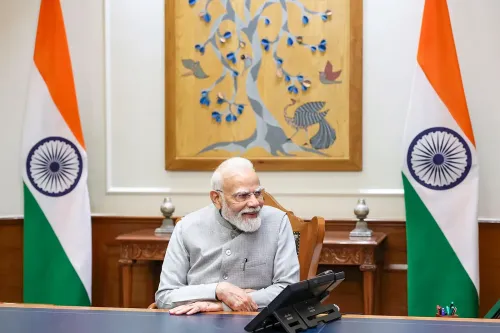
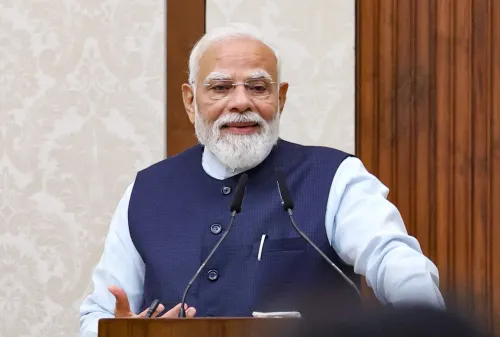
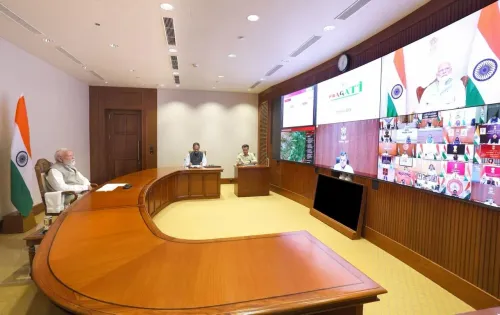
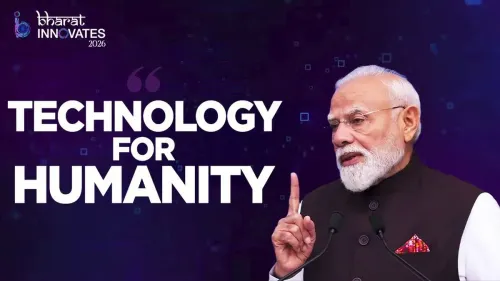
Prime Minister Narendra Modi chaired a meeting with Secretaries to the Government of India on 28 July 2026, covering Finance and Economy, Commerce and Industry, and Technology, with a focus on citizen-centric governance, infrastructure, and indigenous development.
Key Takeaways
Prime Minister Narendra Modi chaired a meeting with Secretaries to the Government of India on 28 July 2026 .
Discussions covered three sectors: Finance and Economy , Commerce and Industry , and Technology .
Modi highlighted citizen-centric governance, infrastructure expansion, and indigenous development as key priorities.
The session reflects the government's practice of using secretary-level meetings to drive inter-ministerial coordination.
The indigenous development emphasis aligns with the long-running Aatmanirbhar Bharat self-reliance agenda.
A high-level coordination session at the top of India's bureaucratic pyramid — Prime Minister Narendra Modi on Tuesday, 28 July 2026 chaired a meeting with Secretaries to the Government of India, drilling into priorities across Finance and Economy, Commerce and Industry, and Technology.
The meeting brought together the senior-most civil servants heading central ministries — the officials who translate Cabinet decisions into ground-level policy. Modi flagged three overarching themes: strengthening citizen-centric governance, accelerating infrastructure expansion, and deepening indigenous development — the last a consistent thread running through the government's self-reliance agenda.
What the three-sector focus signals
Grouping Finance and Economy, Commerce and Industry, and Technology in a single secretaries' session is a deliberate signal of inter-ministerial convergence. Each sector feeds the others: technology upgrades revenue administration and trade logistics; commerce growth demands infrastructure; infrastructure investment shapes the fiscal position. Holding the conversation at the secretary level — rather than through separate ministerial silos — is designed to force that joined-up thinking. The emphasis on 'citizen-centric governance' points to delivery mechanisms: how schemes reach beneficiaries, how grievances are resolved, how digital public infrastructure reduces friction between state and citizen. The Modi government has repeatedly used secretaries' meetings to push ministries toward measurable outcomes rather than process compliance.Indigenous development: the self-reliance thread
The reference to developing 'indigenous' capabilities is consistent with the government's broader Aatmanirbhar Bharat (self-reliant India) framework, which has guided manufacturing, defence procurement, and technology policy. At a secretaries' meeting, that language typically translates into directives on domestic content requirements, support for local industry in government procurement, and nudges toward homegrown technology platforms. Follow-up inter-ministerial coordination notes and any resulting policy circulars will be the real test of what concrete direction emerged from the session.Point of View
Commerce, and Technology in a single session suggests the Prime Minister is pushing for integrated policy execution rather than siloed ministry work. The citizen-governance framing indicates continued pressure on the bureaucracy to demonstrate last-mile delivery. The indigenous development reference keeps the self-reliance agenda live at the administrative level, not just in political messaging. Watch for follow-on circulars or inter-ministerial task forces as the real measure of what was decided.
NationPress
27 Oct 2026
Frequently Asked Questions
What was discussed in PM Modi's meeting with secretaries on 28 July 2026?
The meeting covered key priorities in Finance and Economy, Commerce and Industry, and Technology, with Modi highlighting citizen-centric governance, infrastructure development, and indigenous capability building.
Who are the Secretaries to the Government of India?
They are the senior-most civil servants heading central government ministries, responsible for translating Cabinet and ministerial decisions into policy and implementation.
What does 'indigenous development' mean in the context of Modi government policy?
It refers to the Aatmanirbhar Bharat or self-reliant India framework, which promotes domestic manufacturing, local technology, and reduced dependence on imports across sectors.
How often does PM Modi hold meetings with government secretaries?
The Modi government has held periodic secretaries' meetings to coordinate on economic, commercial, and technological priorities, though the exact frequency varies.
What is citizen-centric governance as discussed in the secretaries' meeting?
It refers to governance approaches focused on direct, efficient service delivery to citizens — reducing bureaucratic friction, improving grievance redressal, and measuring outcomes rather than processes.