PM Modi pushes secretaries to break silos, think long-term at 3rd high-level meet
Synopsis
In his third consecutive high-level meeting with top bureaucrats, PM Modi went beyond routine administration — framing silos as a mindset failure, calling data a national asset being wasted by fragmentation, and pushing AI, defence competitiveness, and port-led development as the next frontier for India's governance architecture.
Key Takeaways
PM Modi chaired the third high-level meeting with Government of India secretaries on 20 August at 7, Lok Kalyan Marg .
The Prime Minister called silos a mindset issue — not just an organisational one — and cited the COVID-19 pandemic and West Asia crisis as models of effective cross-departmental coordination.
He described data as a national asset and called for greater interoperability to overcome fragmented departmental systems.
On technology, Modi called for combining AI capabilities with human judgement rather than replacing one with the other.
He stressed making India's defence industry globally competitive and shifting from port development to port-led development .
The session concluded with a call for a whole-of-government approach , collective ownership, and deeper engagement with universities and youth.
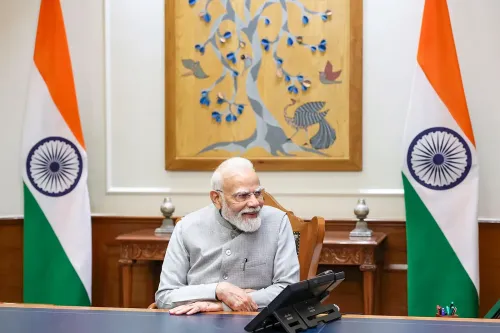
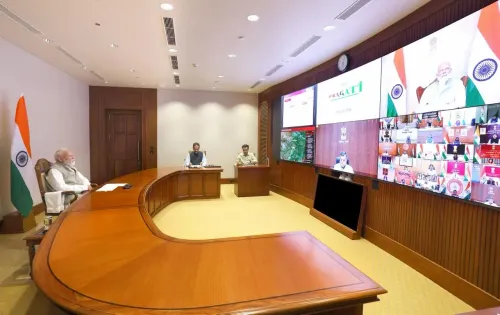
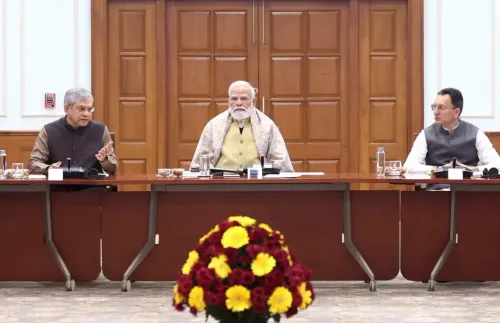
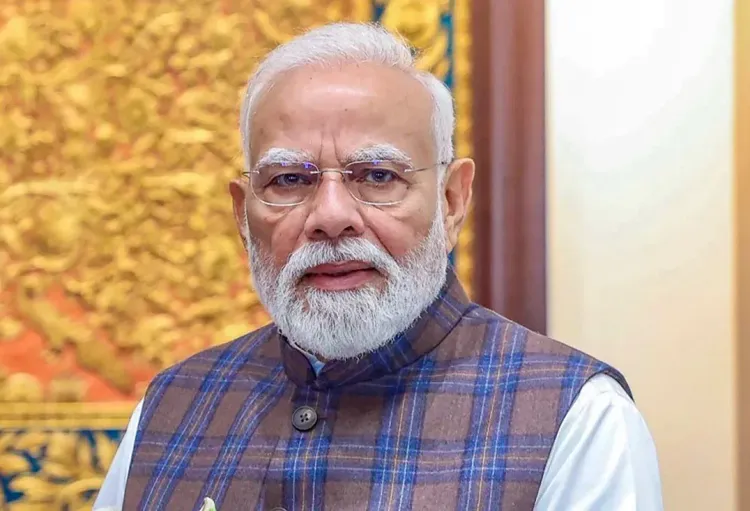
Prime Minister Narendra Modi on Thursday, 20 August chaired the third high-level meeting with secretaries to the Government of India at his official residence, 7, Lok Kalyan Marg, New Delhi. The session focused on the future action agenda of ministries and departments covering infrastructure and connectivity, security and external affairs, and governance.
Breaking the Silo Mindset
Addressing what he described as one of the central challenges in government functioning, Modi said silos are not merely an organisational problem but a mindset issue. He noted that silos can be both horizontal and vertical within the bureaucratic structure, and called on officials to take ownership of their responsibilities and work with a spirit of belongingness.
Drawing on real precedent, the Prime Minister cited the COVID-19 pandemic and the West Asia crisis as instances when departments shed their silos and coordinated effectively. He said such cross-departmental coordination should become a natural, institutionalised part of government work culture rather than an emergency-only response.
Data as a National Asset
The Prime Minister described data as a national asset and a resource for the future. He observed that while the government invests significant resources in collecting, storing, and managing data, fragmented departmental systems and silos prevent it from realising its full potential. He called for greater interoperability and more effective data use across ministries.
This comes amid the Centre's broader push on digital public infrastructure, where data-sharing gaps between departments have been a persistent implementation bottleneck.
AI, Defence, and Maritime Priorities
On technology, Modi called for the effective deployment of artificial intelligence (AI) while ensuring human intervention and judgement remain central. He urged officials to explore innovative ways of combining AI capabilities with human expertise rather than treating the two as substitutes.
In the defence sector, the Prime Minister stressed the need to make India's defence industry more globally competitive, and called for developing innovative defence courses and strengthening human resource development in the sector.
On the maritime front, he called for a comprehensive approach, recalling that shipbuilding had been accorded infrastructure status. He urged an assessment of whether the intended objectives are being achieved in mission mode, and reiterated the need to shift from port development to port-led development, with better connectivity between manufacturing units and export-oriented units.
Engaging Youth and Universities
The Prime Minister also stressed greater engagement between government departments, universities, and young people to bring fresh and unconventional perspectives into policymaking. He encouraged senior officers to engage more personally with junior colleagues and build stronger networks across cadres and departments.
Whole-of-Government Approach
Concluding the session, Modi reiterated the need for a whole-of-government approach, greater coordination, innovative thinking, and collective ownership. The Cabinet Secretary, secretaries of key ministries and departments, and senior officials from the Prime Minister's Office (PMO) attended the meeting. Secretaries shared their perspectives on key priorities and implementation challenges during the discussions.
This was the third in a series of such high-level consultations, with the previous two sessions having already covered other groups of secretaries — signalling a sustained effort by the Prime Minister to set a unified direction across the bureaucracy ahead of key policy cycles.
Point of View
Modi's secretaries series is less a routine consultation and more a signal that the bureaucracy's default operating mode — siloed, data-hoarding, hierarchy-bound — is seen as a structural liability at the highest level. The invocation of COVID and West Asia as coordination success stories is telling: the PM is essentially asking officials to treat peacetime governance with wartime urgency. The data-as-national-asset framing is particularly pointed, given that India has invested heavily in digital infrastructure while inter-ministerial data sharing remains patchy. Whether these exhortations translate into institutional change — or remain inspirational addresses — depends entirely on whether the PMO follows up with measurable mandates rather than advisory nudges.
NationPress
5 Oct 2026
Frequently Asked Questions
What was discussed at PM Modi's third meeting with secretaries?
The meeting on 20 August focused on the future action agenda of ministries dealing with infrastructure and connectivity, security and external affairs, and governance. PM Modi urged officials to move beyond silos, adopt long-term thinking, leverage data effectively, and embrace AI alongside human judgement.
Why is PM Modi holding a series of high-level meetings with secretaries?
The meetings are part of a sustained effort to set a unified strategic direction across the bureaucracy. Having already met two other groups of secretaries, Modi is using these sessions to push a whole-of-government approach ahead of key policy cycles.
What did PM Modi say about data and AI in government?
Modi described data as a national asset whose potential is being wasted due to departmental silos and fragmented systems. On AI, he called for its effective deployment while ensuring human intervention and judgement remain central to decision-making.
What were the defence and maritime priorities raised at the meeting?
The Prime Minister stressed making India's defence industry more globally competitive and called for innovative defence courses and stronger human resource development. On maritime, he urged a shift from port development to port-led development and better connectivity between manufacturing and export-oriented units.
Who attended the secretaries' meeting on 20 August?
The Cabinet Secretary, secretaries of key ministries and departments, and senior officials from the Prime Minister's Office attended. Secretaries also shared their perspectives on priorities and implementation challenges during the session.