CM Rekha Gupta Launches 1 Lakh Smart LED Drive to End Delhi Dark Spots
Synopsis
Delhi CM Rekha Gupta has announced the installation of 1 lakh smart LED streetlights in the capital's first phase of dark-spot elimination, directly crediting Delhi University student feedback and citing women's safety as the government's top priority.
Key Takeaways
1 lakh smart LED streetlights to be installed in the first phase of Delhi's dark-spot elimination mission.
The drive was triggered by safety concerns raised by youth at Delhi University , framing it as a citizen-feedback initiative.
Women's safety is cited as the primary motivation, continuing a policy pattern that intensified after the 2012 Nirbhaya case .
The project is being executed under Seva Sankalp Abhiyan and branded as part of the Viksit Delhi vision.
Smart LEDs offer remote monitoring and fault-detection capabilities beyond standard LED replacements.
Exact funding, timeline, and phase-one geographic coverage remain to be officially detailed.
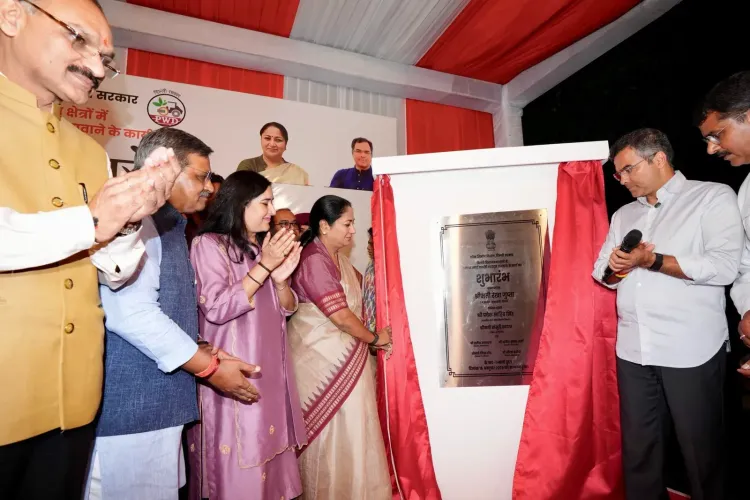
A student conversation at Delhi University is now rewiring the capital's streets. Delhi Chief Minister Rekha Gupta announced on Thursday, October 15 that the city will install 1 lakh smart LED streetlights in the first phase of a mission to eliminate dark spots — citing feedback gathered from DU students as the direct trigger for the drive.
From campus feedback to city-wide rollout
The announcement frames the project as citizen-feedback-in-action: youth at Delhi University raised concerns about poorly lit public areas, and the administration responded with a phased infrastructure push. The initiative is being carried out under the Seva Sankalp Abhiyan, the Gupta government's campaign for citizen services and urban development, and is branded as part of Viksit Delhi — the BJP's umbrella vision for capital-city improvement.
Smart LED streetlights differ from standard LED replacements in that they typically include remote monitoring, dimming controls, and fault-detection capabilities — features that allow civic authorities to track outages in near real-time rather than wait for resident complaints.
Women's safety and the long shadow of Nirbhaya
CM Gupta explicitly named women's safety as a top priority driving the project. That framing is not new to Delhi governance. Street lighting upgrades have been a consistent policy response to safety concerns in the capital since the 2012 Nirbhaya case intensified public and political pressure on successive administrations to make the city's public spaces safer after dark.
The previous AAP administration also undertook LED conversion drives between 2015 and 2023, citing both energy savings and improved street safety. The current push continues that lineage while explicitly adding the 'smart' monitoring layer and tying the programme's origin story to direct campus engagement.
What the first phase covers — and what remains to be confirmed
The headline figure is 1 lakh (100,000) smart LED streetlights in the first phase. The precise funding source, installation timeline, and exact geographic coverage — including how many of those lights will ring university zones and other identified dark spots — have not yet been detailed in public records. The phased rollout, particularly around high-footfall areas flagged by students, will be the immediate measure of whether the feedback loop the CM cited translates into visible, on-ground change.
For Delhi's residents, the test is simple: when they walk home after dark, do the lights work — and stay on?
Point of View
Tangible infrastructure move that ties citizen feedback to executive action, generating a clear political narrative. By anchoring the story in DU student voices and women's safety, the BJP administration is consciously building a responsiveness brand in a city where the previous government also used LED rollouts as a governance signal. The 'smart' framing — monitoring, real-time fault detection — adds a technology layer that lifts the project above a routine bulb-swap, but the credibility of that promise will depend entirely on phased execution data. Whether the 1 lakh figure in phase one translates into measurable incident reduction near university zones will determine whether this becomes a durable policy win or another announcement that fades before the follow-through.
NationPress
15 Oct 2026
Frequently Asked Questions
What is Delhi CM Rekha Gupta's dark spot elimination plan?
CM Rekha Gupta has announced a mission to eliminate dark spots across Delhi, beginning with the installation of 1 lakh smart LED streetlights in the first phase, with women's safety as the stated top priority.
What is Seva Sankalp Abhiyan in Delhi?
Seva Sankalp Abhiyan is the Delhi government's campaign focused on citizen services and urban development works, under which the smart LED streetlight drive is being executed.
Why did Delhi University students raise safety concerns?
Students at Delhi University flagged inadequate lighting in public areas around the campus, which CM Rekha Gupta cited as direct feedback that prompted the citywide dark-spot elimination initiative.
How are smart LED streetlights different from regular LEDs?
Smart LEDs include remote monitoring, dimming controls, and fault-detection features, allowing authorities to track and fix outages in near real-time rather than waiting for resident complaints.
Has Delhi upgraded street lighting before for women's safety?
Yes. Delhi governments have periodically upgraded street lighting since safety concerns intensified after the 2012 Nirbhaya case, including LED conversion drives carried out between 2015 and 2023.