CM Rekha Gupta Lists Nine AAP Scams Worth ₹30,000 Cr
Synopsis
Delhi Chief Minister Rekha Gupta alleged that the previous AAP government committed scams worth over ₹30,000 crore across nine sectors — from liquor to classrooms to hospitals — and that Delhi residents are currently bearing the financial cost, in a sharp Monsoon Session attack on 10 August 2026.
Key Takeaways
Rekha Gupta alleged scams worth over ₹30,000 crore by the previous AAP government in Delhi.
Nine specific scams were named: Sheesh Mahal, liquor, classroom, arbitration, tuition fee, hospital, e-way bill, subsidy, and advertisement.
The post was made during the Delhi Monsoon Session on 10 August 2026 .
The Delhi Excise Policy case is the most legally advanced, with a CBI FIR registered in 2022 and parallel ED proceedings.
AAP responses from the legislative floor are expected as the Monsoon Session continues.
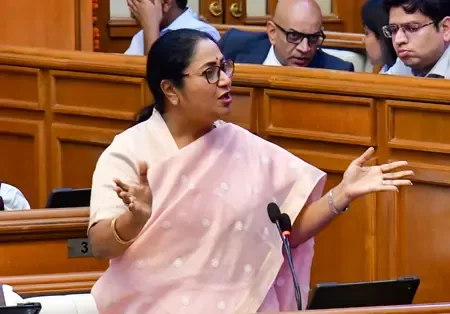
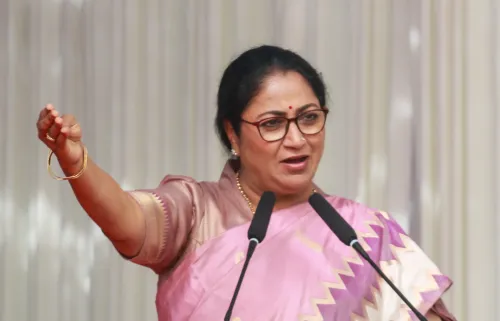
Nine scams. One number. And a bill, Delhi Chief Minister Rekha Gupta says, that the people of Delhi are still paying. On Monday, 10 August 2026, during the ongoing Monsoon Session of the Delhi Assembly, Gupta fired a sweeping broadside at the previous Aam Aadmi Party government, alleging a corruption trail exceeding ₹30,000 crore.
Nine Allegations, One Monsoon Session Salvo
Gupta rattled off the list in rapid succession: the Sheesh Mahal scam, the liquor scam, the classroom scam, the arbitration scam, the tuition fee scam, the hospital scam, the e-way bill scam, the subsidy scam, and the advertisement scam. 'Ghotale hi ghotale' [scam after scam], she wrote — a phrase that doubles as both accusation and rhetorical punchline. Her post argued that the cumulative financial damage now falls on ordinary Delhi residents to absorb.
The Cases Already in Court and Agency Files
The most legally advanced of the allegations is the Delhi Excise Policy case. The Central Bureau of Investigation registered an FIR in 2022 alleging irregularities in the 2021-22 excise policy framed under then Chief Minister Arvind Kejriwal. The Enforcement Directorate pursued a parallel money-laundering inquiry. The Sheesh Mahal controversy — centred on the renovation costs of the official Chief Ministerial residence — has been a recurring BJP attack line since the expenditure details surfaced in political discourse. The remaining allegations on Gupta's list involve sectors ranging from education infrastructure to health services, though formal proceedings on each vary in stage and scope.
A Pattern as Old as Delhi's Rivalry
Gupta's Monsoon Session offensive fits a well-worn template in Indian state politics: an incoming government uses the legislative floor to publicly catalogue the previous regime's alleged financial sins, keeping accountability pressure alive while the legal machinery moves at its own pace. BJP and AAP have traded corruption accusations since AAP first formed the Delhi government in 2015 — a decade-long political war of attrition in which the capital's assembly sessions have often served as the loudest battlefield. AAP legislators are expected to respond during the ongoing session.
Whether the courts and investigative agencies ultimately validate the ₹30,000 crore figure will determine whether this is history or headline — but for Delhi's taxpayers, the political fight over who owes them what is very much alive.
Point of View
000 crore framing, if it gains traction, could anchor BJP's accountability narrative ahead of any future Delhi electoral cycle. AAP's counter-response in the session will signal whether the party intends to contest the specifics or pivot to a broader anti-BJP frame. The mutual corruption-accusation loop between the two parties has historically energised both bases without decisively moving Delhi's swing voters.
NationPress
10 Aug 2026
Frequently Asked Questions
What scams did Rekha Gupta accuse AAP of committing?
Rekha Gupta listed nine alleged scams: the Sheesh Mahal scam, liquor scam, classroom scam, arbitration scam, tuition fee scam, hospital scam, e-way bill scam, subsidy scam, and advertisement scam, collectively worth over ₹30,000 crore.
What is the Delhi liquor scam?
The Delhi liquor scam refers to alleged irregularities in the 2021-22 Delhi Excise Policy framed under the AAP government. The CBI registered an FIR in 2022, and the ED conducted parallel money-laundering investigations.
What is the Sheesh Mahal controversy?
The Sheesh Mahal controversy involves allegations of misuse of public funds in the renovation of the official Delhi Chief Minister's residence during the AAP government's tenure. BJP has repeatedly raised this as a corruption issue.
Why is Rekha Gupta raising these issues during the Monsoon Session?
Legislative sessions are a common platform for incoming governments in India to publicly catalogue alleged financial irregularities of the previous regime, maintaining political pressure while legal proceedings continue separately.
Has AAP responded to Rekha Gupta's corruption allegations?
As of the post on 10 August 2026, AAP's legislative response during the ongoing Monsoon Session is awaited. BJP and AAP have traded corruption accusations since 2015.