CM Rekha Gupta Promotes Delhi EV Policy and Subsidy Portal
Synopsis
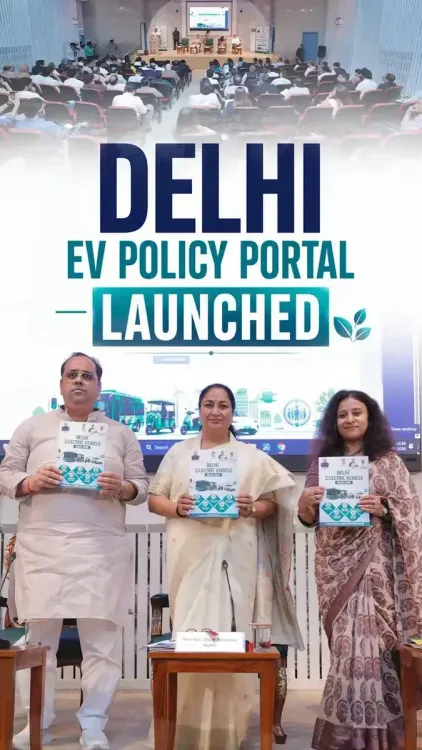
Delhi Chief Minister Rekha Gupta on 3 July 2026 championed the city's new EV Policy and its companion EV Subsidy Portal, calling both equally effective. The digital platform is designed to streamline subsidy claims for electric vehicle buyers, building on Delhi's 2020 EV Policy and the broader national push toward green urban mobility.
Key Takeaways
Delhi CM Rekha Gupta publicly endorsed both the new EV Policy and the EV Subsidy Portal on 3 July 2026 .
The EV Subsidy Portal is a digital platform allowing residents to claim incentives under Delhi's electric vehicle policy online.
The post was shared under the hashtags #EVPolicy and #ViksitDelhi , linking EV adoption to the administration's broader development agenda.
Delhi's EV Policy 2020 first introduced purchase subsidies, interest subvention, and scrappage incentives to boost electric vehicle uptake.
Key performance indicators to watch include portal disbursement volumes and quarterly EV registration data from the Delhi Transport Department .
EV buyers and the automobile industry in Delhi-NCR are the primary stakeholders expected to benefit from the streamlined digital subsidy process.
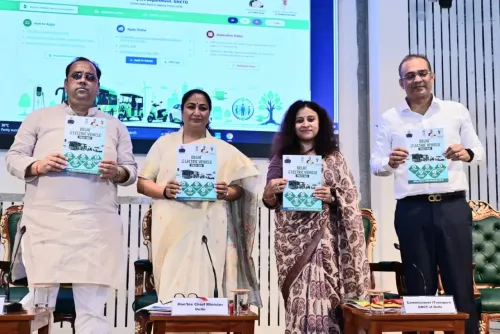
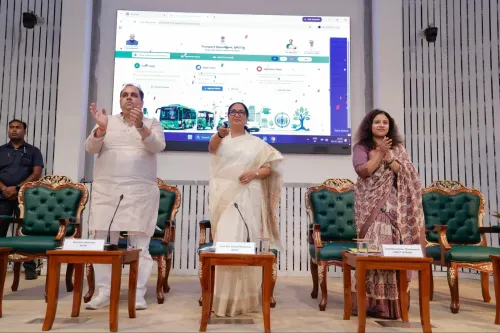
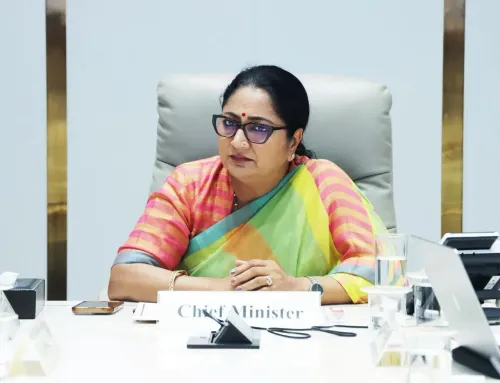
Delhi Chief Minister Rekha Gupta on Friday, 3 July 2026, highlighted the dual strength of the capital's electric vehicle push — praising both the new EV Policy and the digital EV Subsidy Portal designed to make subsidy access seamless for residents.
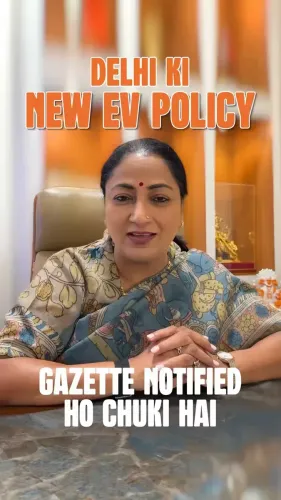
Posting on X, Rekha Gupta wrote in Hindi: 'जितनी प्रभावी हमारी नई EV Policy है, उतना ही सहज उसका डिजिटल माध्यम EV Subsidy Portal है' — roughly translated: 'As effective as our new EV Policy is, equally seamless is its digital medium, the EV Subsidy Portal.' The post was tagged under #EVPolicy and #ViksitDelhi, the latter being the Chief Minister's broader vision campaign for a developed Delhi.
Context
Delhi has long grappled with some of the worst vehicular air pollution in the world, making the shift to electric mobility a pressing governance priority. The Chief Minister's post underscores the administration's effort to pair policy ambition with accessible digital infrastructure, ensuring that subsidies reach buyers without procedural friction.
The EV Subsidy Portal functions as the citizen-facing digital gateway for claiming incentives under the city's electric vehicle policy, reducing paperwork and enabling faster disbursement to eligible buyers.
Policy Backdrop
Delhi's EV Policy 2020 laid the groundwork for the city's green mobility transition by introducing purchase subsidies, interest subvention on loans, and scrappage incentives for old petrol and diesel vehicles. The current administration has built on that foundation with what it describes as a new, more effective iteration of the policy.
At the national level, the central government's FAME (Faster Adoption and Manufacturing of Electric Vehicles) scheme has provided a complementary demand-side push. Several states, including Delhi, have layered their own incentives on top, creating a tiered subsidy architecture for buyers. Delhi's portal-based approach mirrors a broader national pattern of combining policy targets with digital delivery mechanisms.
Stakeholders and Impact
The primary beneficiaries of the EV Subsidy Portal are individual EV buyers — two-wheeler, three-wheeler, and four-wheeler — who can now file and track subsidy claims online. The automobile industry, particularly manufacturers and dealers operating in the Delhi-NCR market, also stands to gain from smoother subsidy processing, which can accelerate purchase decisions at the point of sale.
For the Delhi government, a functional digital portal reduces administrative bottlenecks and builds a verifiable disbursement trail — both critical for sustaining public and industry confidence in the policy's long-term credibility.
What's Next
The key metrics to watch will be disbursement volumes processed through the portal and quarterly electric vehicle registration figures from the Delhi Transport Department. Strong uptake numbers would validate the Chief Minister's claim that the policy and its digital delivery mechanism are working in tandem.
As Delhi approaches its longer-term air quality and fleet electrification targets, the performance of the EV Subsidy Portal will be a critical test of whether digital governance can translate ambitious environmental policy into measurable outcomes on the ground.
Point of View
The BJP-led Delhi government is positioning itself as a technocratic executor of green policy, not merely its architect. This fits a broader pattern among Indian state governments of using digital infrastructure as political proof-of-delivery. The real test, however, lies in portal uptake data and EV registration figures, which will determine whether the messaging holds up against measurable outcomes.
NationPress
4 Jul 2026
Frequently Asked Questions
What is the Delhi EV Subsidy Portal?
The Delhi EV Subsidy Portal is a digital platform launched by the Delhi government that allows electric vehicle buyers to apply for and track subsidy claims online under the city's EV Policy, reducing paperwork and speeding up disbursements.
What did Delhi CM Rekha Gupta say about the EV Policy?
On 3 July 2026, CM Rekha Gupta posted on X praising the new EV Policy as highly effective and calling the EV Subsidy Portal equally seamless as its digital delivery mechanism.
What subsidies are available under Delhi's EV Policy?
Delhi's EV Policy framework, which originated in 2020, includes purchase subsidies, interest subvention on vehicle loans, and scrappage incentives for old petrol and diesel vehicles to encourage a switch to electric mobility.
Who benefits from the Delhi EV Subsidy Portal?
Individual electric vehicle buyers — including those purchasing two-wheelers, three-wheelers, and four-wheelers — are the primary beneficiaries, along with automobile dealers in Delhi-NCR who benefit from faster subsidy processing.
What is Viksit Delhi?
'Viksit Delhi' is the hashtag and campaign theme used by the Rekha Gupta-led Delhi government to represent its vision of a developed, modern capital, under which initiatives like the EV Policy are being promoted.