CM Rekha Gupta: Shah Inaugurates Barapullah Phase-3, ₹1,941 Cr Projects
Synopsis
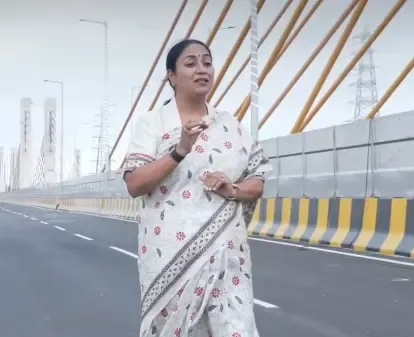
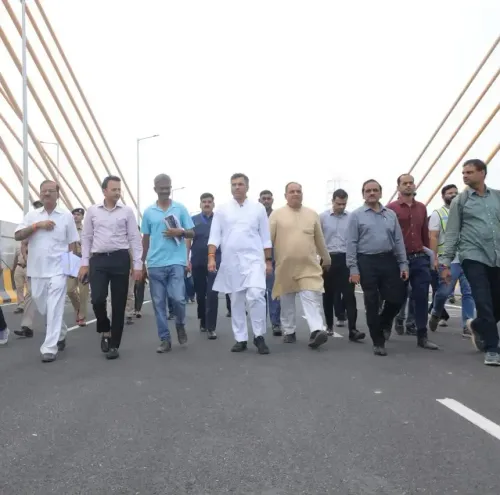
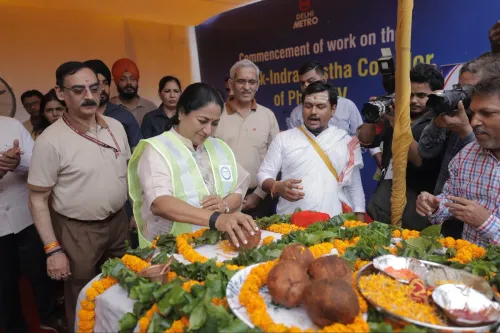
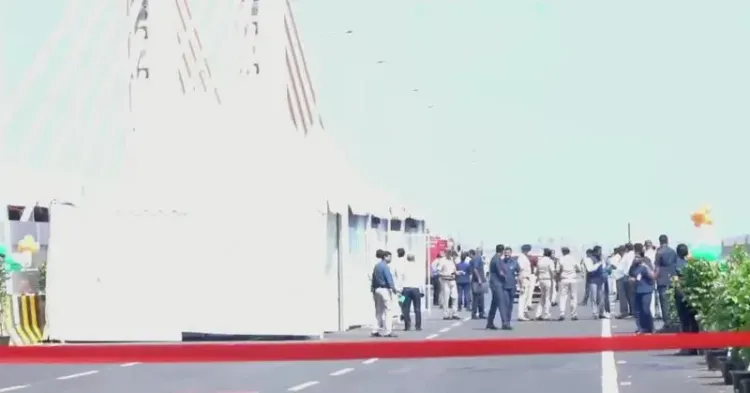
Union Home Minister Amit Shah inaugurated Barapullah Phase-3 and connectivity projects worth ₹1,941 crore in Delhi on September 29, 2026, extending the capital's elevated corridor network as Chief Minister Rekha Gupta streamed the event live.
Key Takeaways
Amit Shah inaugurated Barapullah Phase-3 and ₹1,941 crore worth of connectivity projects in Delhi on September 29, 2026 .
Barapullah elevated corridor Phases 1 and 2 were completed between 2009 and 2012 to ease central and south Delhi traffic.
Phase 3 targets persistent east-west congestion bottlenecks in Delhi's southern arc.
The inauguration reflects the central government's pattern of funding and formally launching major urban road projects in the national capital.
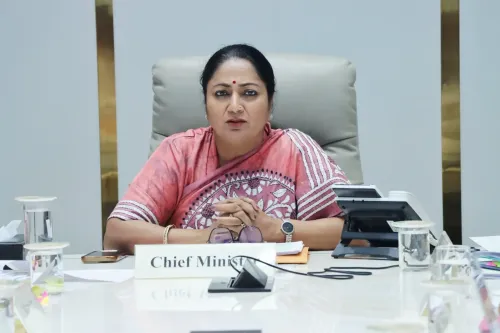
Delhi CM Rekha Gupta broadcast the event live, signalling the BJP government's emphasis on infrastructure as a governance deliverable.
Traffic-flow data and congestion metrics on parallel arterial roads will be the real test of the corridor's impact.
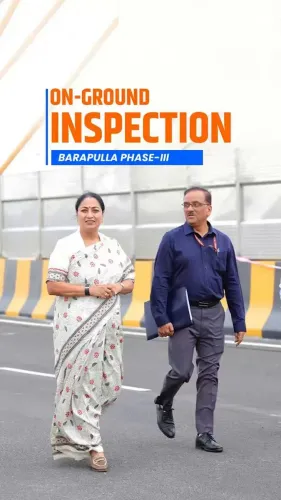
Delhi's east-west commute just got a significant upgrade. Union Home Minister Amit Shah inaugurated Barapullah Phase-3 and a clutch of connectivity projects worth ₹1,941 crore in the national capital on Tuesday, September 29, 2026 — a moment Delhi Chief Minister Rekha Gupta flagged live on social media as it unfolded.
What Barapullah Phase-3 Adds to Delhi's Road Map
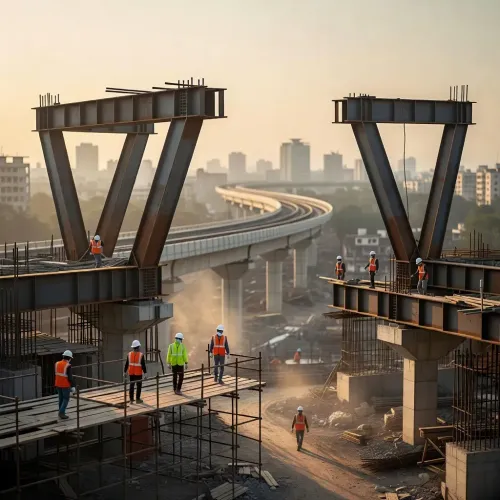
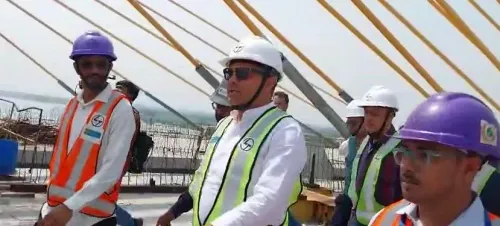
The Barapullah elevated corridor has been one of Delhi's most consequential urban road interventions. Phases 1 and 2, completed between 2009 and 2012, sliced travel time across central and south Delhi by lifting traffic above the ground-level tangle of intersections and crossings. Phase 3 extends that logic further, targeting the persistent east-west congestion bottlenecks that have long frustrated residents and commuters in the capital's southern arc.
The broader package — ₹1,941 crore across multiple connectivity projects — signals a wide-angle push rather than a single flyover ribbon-cutting. Delhi commuters will be watching whether the corridor's opening translates into measurable relief on parallel arterial roads.
Central Government's Pattern of Investing in Delhi's Roads
This inauguration fits a clear template: the Union government funding and formally launching major urban road and flyover projects in Delhi, with the Ministry of Home Affairs and the Delhi government coordinating on capital-region infrastructure. For Home Minister Shah — whose ministry holds significant administrative weight over Delhi as a Union Territory — presiding over such launches is both a governance act and a public signal of central commitment to the city's mobility crisis.
CM Rekha Gupta's decision to broadcast the event live underscores the political salience the BJP government attaches to this milestone — infrastructure as a tangible, driveable proof point in Delhi's ongoing development narrative.
What Delhi Commuters Will Be Watching Next
The real verdict on Barapullah Phase-3 will be written in the weeks after opening — in traffic-flow data, in commute times on parallel roads, and in whether the ripple effect reaches the congested corridors feeding into it. Any follow-up announcements on remaining connectivity works under the ₹1,941 crore package will define the full shape of the upgrade.
Delhi's road network has been playing catch-up with population and vehicle growth for decades. One corridor does not solve that. But it moves the needle — and today, it moves with ₹1,941 crore behind it.
Point of View
A pattern that serves dual purposes: genuine urban mobility improvement and a visible governance dividend for the BJP in a politically competitive city. With Home Minister Shah presiding — rather than a municipal or transport minister — the event is deliberately framed as a Union government achievement, reinforcing the Centre's administrative and political stakes in Delhi's development. For CM Rekha Gupta, live-broadcasting the event amplifies ownership of a project she did not fully initiate but now shares the credit for delivering. The ₹1,941 crore figure, once its full breakdown is disclosed, will determine whether this is a landmark package or a headline number anchored by one flagship corridor.
NationPress
29 Sept 2026
Frequently Asked Questions
What is Barapullah Phase-3 in Delhi?
Barapullah Phase-3 is the third segment of Delhi's elevated road corridor designed to improve east-west connectivity across the city, extending the project that began with Phases 1 and 2 completed between 2009 and 2012.
Who inaugurated Barapullah Phase-3?
Union Home Minister Amit Shah inaugurated Barapullah Phase-3 along with connectivity projects worth ₹1,941 crore in Delhi on September 29, 2026.
What is the total cost of the Delhi connectivity projects inaugurated on September 29 2026?
The connectivity projects inaugurated alongside Barapullah Phase-3 are valued at ₹1,941 crore in total.
Why is the Home Minister inaugurating Delhi road projects?
Delhi is a Union Territory, giving the central government and by extension the Ministry of Home Affairs significant administrative authority over major infrastructure projects in the capital.
How will Barapullah Phase-3 help Delhi commuters?
The elevated corridor is designed to ease chronic east-west congestion in Delhi's southern zones, building on earlier phases that reduced travel time across central and south Delhi.