CM Rekha Gupta Urges Delhiites to Use MCD 311 App for Drain Complaints
Synopsis
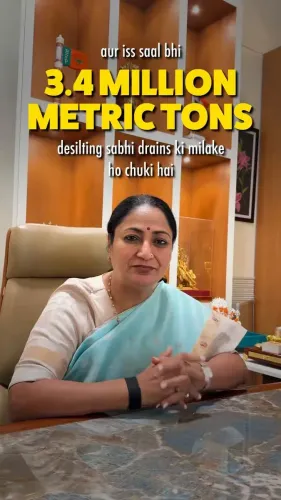
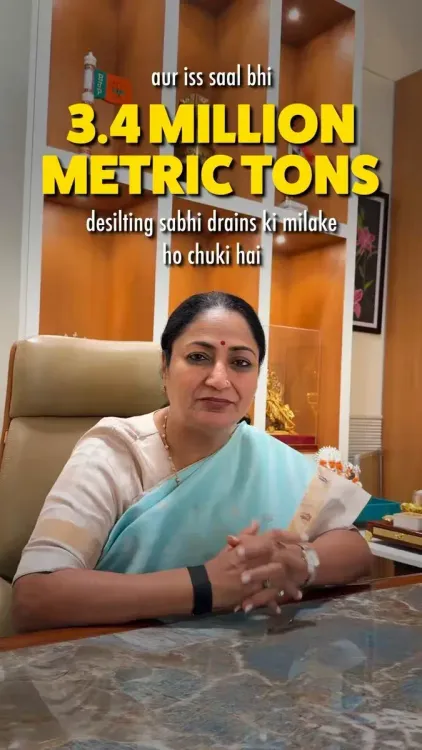
Delhi Chief Minister Rekha Gupta on June 23, 2026 urged residents to report uncleared drains via the MCD 311 App, noting that 3.4 million metric tonnes of silt has been removed as part of the capital's pre-monsoon preparedness drive under #ViksitDelhi.
Key Takeaways
Delhi CM Rekha Gupta on June 23, 2026 called on residents to use the MCD 311 App to report blocked or uncleared drains.
3.4 million metric tonnes of silt has already been removed as part of Delhi's pre-monsoon desilting campaign.
The MCD 311 App allows citizens to log civic complaints directly with the Municipal Corporation of Delhi for prompt action.
The initiative is framed under the #ViksitDelhi banner, linking citizen participation to urban flood prevention.
Waterlogging in low-lying Delhi neighbourhoods during monsoon remains a recurring civic challenge despite annual desilting drives.
The campaign's success will be measured by waterlogging incidents once the 2026 monsoon advances over the capital.
Delhi Chief Minister Rekha Gupta on Tuesday, June 23, 2026, called on residents to use the MCD 311 App to report uncleared drains in their neighbourhoods, flagging that 3.4 million metric tonnes of silt has already been removed as part of the capital's pre-monsoon preparedness drive.
Context
Posting on X, CM Gupta urged citizens to open the MCD 311 App, report blocked or uncleared drains, and assured that 'prompt action will follow.' The post framed public participation as a frontline tool in preventing waterlogging: 'Your alert today can prevent waterlogging tomorrow,' she wrote under the hashtag #ViksitDelhi.
The appeal comes as Delhi enters the critical weeks before the southwest monsoon typically arrives, a period when civic agencies race to complete desilting work across the city's vast network of drains and nullahs.
Policy Backdrop
The Municipal Corporation of Delhi (MCD) runs an annual pre-monsoon desilting campaign to reduce the risk of flooding in low-lying colonies and arterial roads. Historically, coordination between the civic body and the elected Delhi government has determined how effectively these drives translate into on-ground results.
The MCD 311 App is a citizen-facing grievance platform that allows residents to log complaints — including blocked drains, broken roads, and solid-waste issues — directly with municipal authorities. Integrating digital complaint mechanisms into urban service delivery is part of a broader national push toward technology-enabled civic governance.
The figure of 3.4 million metric tonnes of silt already cleared signals that the current desilting campaign is well advanced, though waterlogging in Delhi often persists due to encroachments, unauthorised construction over drains, and ageing stormwater infrastructure.
Stakeholders and Impact
Delhi's roughly 20 million residents stand to benefit directly from an efficient pre-monsoon drain-clearing operation. Low-lying areas in east and south-east Delhi — including parts of Shahdara, Laxmi Nagar, and Dwarka — have historically been the worst affected by waterlogging during heavy rainfall events.
By routing complaints through the MCD 311 App, the administration aims to create a traceable, time-stamped record of grievances that can be monitored and acted upon, reducing the dependence on ward-level political intermediaries for basic service delivery.
For the MCD, citizen-reported data also helps prioritise which drains require immediate attention, potentially making the desilting drive more targeted and resource-efficient in the final stretch before the rains arrive.
What's Next
The effectiveness of this campaign will be tested once the 2026 monsoon advances over Delhi, typically between late June and early July. Official data on waterlogging incidents and desilting completion rates across all wards will be the key metric to watch.
If the citizen-reporting model reduces waterlogging complaints compared to previous years, it could strengthen the case for deeper integration of platforms like the MCD 311 App into Delhi's broader urban infrastructure governance — and serve as a template for other large Indian cities grappling with similar monsoon-season challenges.
Point of View
CM Rekha Gupta is shifting a share of accountability for waterlogging outcomes onto residents themselves — a politically useful move that also has genuine service-delivery logic. The emphasis on a verifiable silt-removal figure signals an intent to be judged on measurable outcomes rather than process alone. This fits a broader pattern among BJP-governed state administrations of using digital grievance platforms to demonstrate responsive governance ahead of elections. The real test will come with the first heavy rainfall, when the gap between app-reported complaints and actual drain clearance will be visible to every Delhiite.
NationPress
23 Jun 2026
Frequently Asked Questions
How do I report an uncleared drain in Delhi?
You can report an uncleared drain in Delhi by downloading the MCD 311 App on your smartphone, selecting the drain-complaint category, and submitting your report with location details. The Municipal Corporation of Delhi is expected to take prompt action on complaints logged through the app.
What is the MCD 311 App?
The MCD 311 App is a citizen-facing mobile application run by the Municipal Corporation of Delhi that allows residents to lodge complaints about civic issues such as blocked drains, solid waste, and broken roads directly with municipal authorities.
How much silt has been removed from Delhi drains in 2026?
According to a post by Delhi Chief Minister Rekha Gupta on June 23, 2026 , 3.4 million metric tonnes of silt has already been removed from Delhi's drains as part of the pre-monsoon desilting campaign.
Why does Delhi face waterlogging every monsoon?
Delhi faces recurring waterlogging during the monsoon due to a combination of ageing stormwater infrastructure, encroachments over drains, and the sheer volume of rainfall that the city's drainage network struggles to handle quickly.
What is #ViksitDelhi?
#ViksitDelhi is a campaign hashtag used by the Delhi government to promote initiatives aimed at developing the capital's civic and urban infrastructure, linking government programmes to a vision of a more developed Delhi.