CM Revanth Reddy joins inauguration of 33 new crest gates at Tungabhadra Dam
Synopsis
All 33 crest gates at the Tungabhadra Dam near Hospet were inaugurated on 25 June 2026 in a ceremony led by Union Jal Shakti Minister C. R. Patil, with the Chief Ministers of Karnataka, Andhra Pradesh, and Telangana each opening a gate. The Rs 51 crore project replaces gates damaged in the August 2024 floods.
Key Takeaways
All 33 new crest gates at the Tungabhadra Dam , Hospet, were inaugurated on 25 June 2026 .
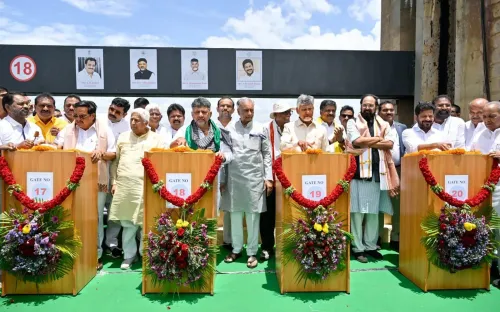
Union Jal Shakti Minister C.
Patil opened the 17th gate ; CM D.
Chandrababu Naidu , and CM Revanth Reddy opened gates 18, 19, and 20 respectively.
The replacement was necessitated by damage to the 19th gate during August 2024 floods .
An expert committee recommended replacing all 33 gates at a total cost of Rs 51 crore .
The project is expected to strengthen water management for irrigation and drinking water across Karnataka , Andhra Pradesh , and Telangana .
The Tungabhadra Dam , completed in 1953 , is a shared inter-state asset governed by Krishna Water Disputes Tribunal awards.
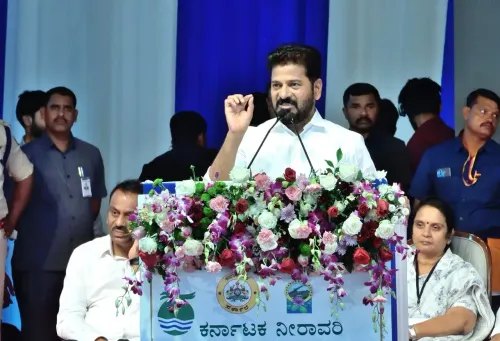
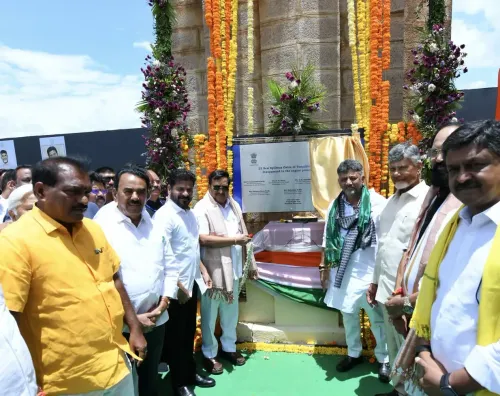
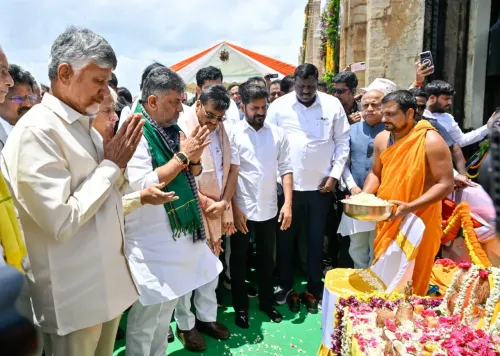
The Chief Minister's Office of Telangana announced on Thursday, 25 June 2026 that the inauguration of 33 newly installed crest gates at the Tungabhadra Dam near Hospet, Karnataka was held in the presence of senior leaders from the Centre and three riparian states. The ceremony marked a significant milestone in restoring one of peninsular India's oldest and most critical inter-state irrigation structures.
What happened
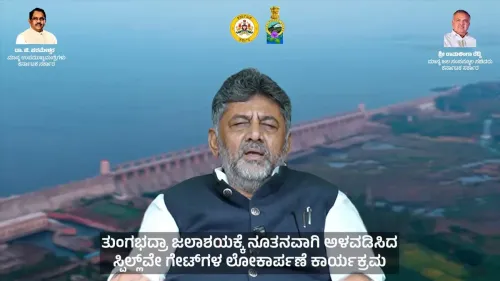
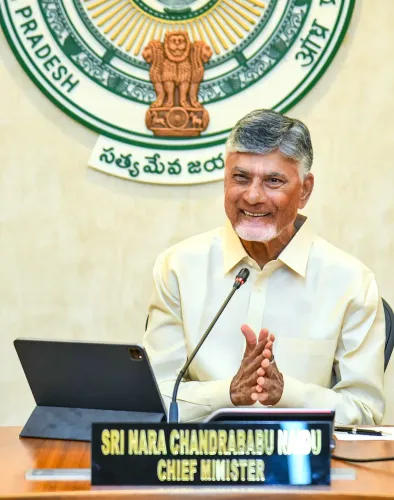
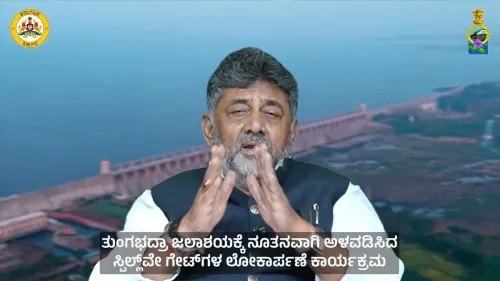
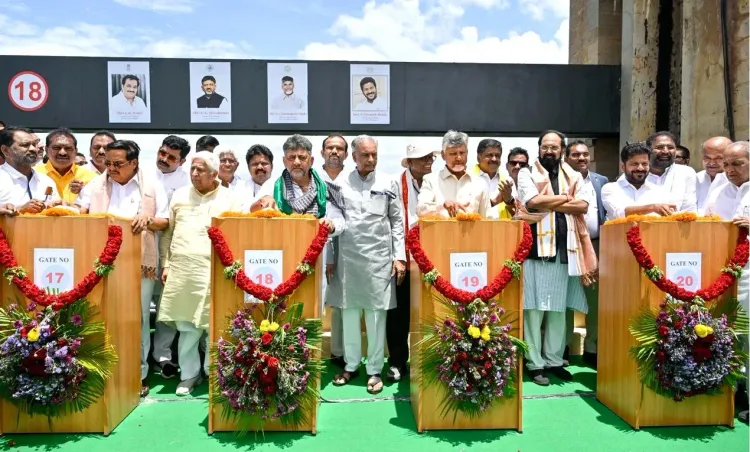
Union Minister of Jal Shakti C. R. Patil presided over the inauguration, pressing the button to open the 17th gate. Karnataka Chief Minister D. K. Shivakumar inaugurated the 18th gate, Andhra Pradesh Chief Minister N. Chandrababu Naidu opened the 19th gate, and Telangana Chief Minister Revanth Reddy inaugurated the 20th gate. The coordinated ceremony brought together political leadership from the Centre and all three states that share the Tungabhadra sub-basin.
Context
The replacement project was triggered by severe flooding in August 2024, when the 19th crest gate was damaged, prompting urgent intervention. Following recommendations by an expert committee, all 33 crest gates were replaced at a total cost of Rs 51 crore. The Telangana CMO described the restoration as a 'key milestone' in strengthening the efficient management of Tungabhadra waters and securing irrigation and drinking water needs across the region.
Policy backdrop
The Tungabhadra Dam, completed in 1953 as a joint project of the former Hyderabad and Mysore states, serves irrigation and power needs across the Deccan plateau. Water shares among the riparian states are governed by the 1956 interstate agreement and subsequent awards of the Krishna Water Disputes Tribunal. The dam's infrastructure, now over seven decades old, has faced increasing stress from both structural aging and intensifying monsoon variability, making periodic rehabilitation a shared priority for all three successor states.
Stakeholders and impact
Millions of farmers across Karnataka, Andhra Pradesh, and Telangana depend on the Tungabhadra canal network for kharif and rabi irrigation. Rural households in the command area also rely on the reservoir for drinking water supply. The restoration of all 33 gates is expected to improve flood regulation, reduce structural risk during high-inflow events, and ensure more predictable water releases through the canal system.
What's next
Attention will now turn to the Tungabhadra Board and the Krishna River Management Board for updated reservoir operation protocols in light of the new gate infrastructure. Any revision to water-release schedules or inter-state allocation frameworks will be closely watched by farming communities and state governments ahead of the 2026 kharif season. The event also sets a precedent for coordinated, multi-state rehabilitation of shared hydraulic assets built in the post-independence era.
Point of View
Participation alongside his Karnataka and Andhra Pradesh counterparts signals Telangana's intent to engage cooperatively on Krishna basin governance, a relationship that has historically been fraught since the 2014 bifurcation. The Rs 51 crore rehabilitation also reflects a broader national pattern of urgent investment in ageing post-independence hydraulic infrastructure as climate variability intensifies flood and drought cycles. How the three states operationalise the new gates through the Tungabhadra and Krishna River Management Boards will be the real test of this political goodwill.
NationPress
25 Jun 2026
Frequently Asked Questions
Why were the crest gates of Tungabhadra Dam replaced?
The 19th crest gate was damaged during severe flooding in August 2024 . Following an expert committee's recommendation, all 33 crest gates were replaced at a cost of Rs 51 crore to ensure structural safety and reliable water management.
Who inaugurated the new crest gates at Tungabhadra Dam?
Union Jal Shakti Minister C. R. Patil inaugurated the 17th gate. Karnataka CM D. K. Shivakumar , AP CM N. Chandrababu Naidu , and Telangana CM Revanth Reddy opened the 18th, 19th, and 20th gates respectively on 25 June 2026 .
How many crest gates does the Tungabhadra Dam have?
The Tungabhadra Dam has 33 crest gates , all of which have now been replaced with new ones as part of the Rs 51 crore rehabilitation project completed in 2026 .
Which states share the Tungabhadra Dam's water?
Karnataka , Andhra Pradesh , and Telangana are the three states that share Tungabhadra waters, governed by the Krishna Water Disputes Tribunal awards and a 1956 interstate agreement.
Where is the Tungabhadra Dam located?
The Tungabhadra Dam is located near Hospet in Karnataka . It was completed in 1953 as a joint project of the former Hyderabad and Mysore states.