CM Revanth Reddy seeks full 15 TMC RDS water at Hospet meet
Synopsis
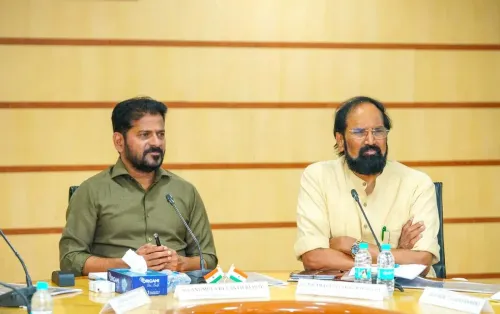
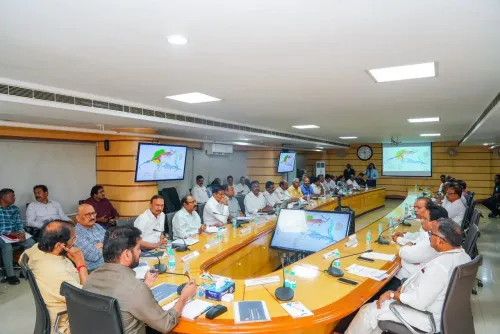
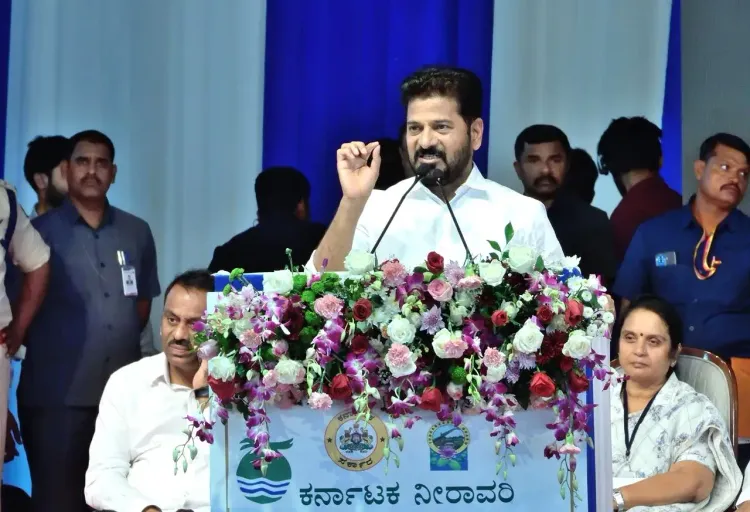
Telangana CM Revanth Reddy raised the state's 10 TMC water shortfall under the Rajolibanda Diversion Scheme with Union Jal Shakti Minister C.R. Patil at the inauguration of 33 new Tungabhadra Dam gates in Hospet, attended by the chief ministers of Karnataka and Andhra Pradesh.
Key Takeaways
Telangana CM Revanth Reddy urged Jal Shakti Minister C.R.
Patil to ensure the state receives its full 15.9 TMC RDS allocation.
Telangana currently utilises only 5 TMC of its entitlement; 10 TMC remains unreached due to siltation and conveyance problems.
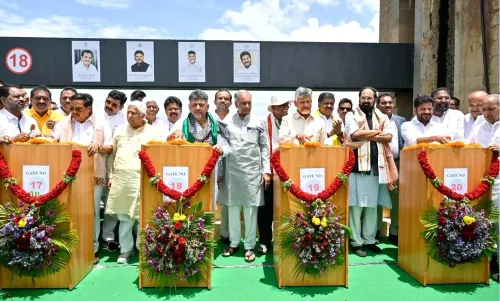
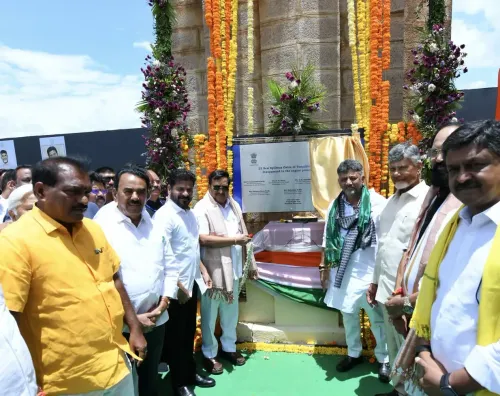
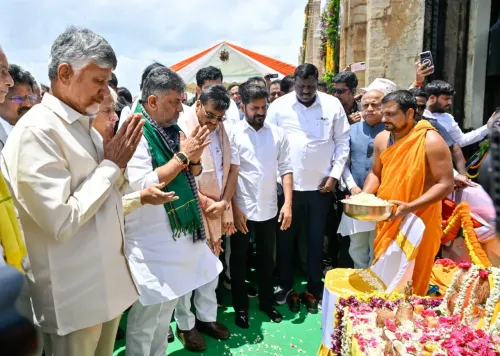
33 new gates were inaugurated at the Tungabhadra Dam near Hospet, Karnataka on 25 June 2026 .
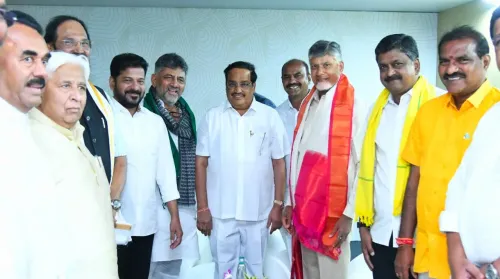
Chief ministers of all three riparian states — Karnataka, Andhra Pradesh and Telangana — attended the tripartite event alongside Minister C.R.
Revanth Reddy described the Hospet talks as a potential permanent resolution to disputes over Krishna, Godavari and Tungabhadra waters.
Lakhs of farmers in Gadwal, Alampur, Palamuru, Ballari, Anantapur and Kurnool districts stand to benefit from improved water regulation.
The Chief Minister's Office of Telangana announced on 25 June 2026 that Chief Minister A. Revanth Reddy formally urged Union Jal Shakti Minister C.R. Patil to ensure Telangana receives its full allocated 15 TMC of water under the Rajolibanda Diversion Scheme (RDS), at a tripartite event held in Hospet, Karnataka.
Context
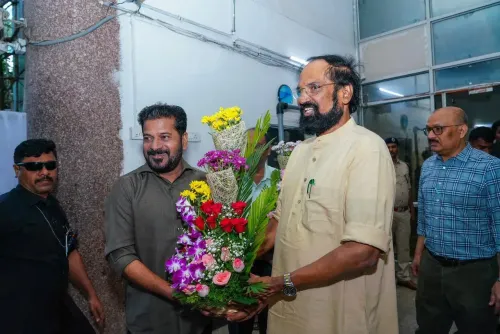
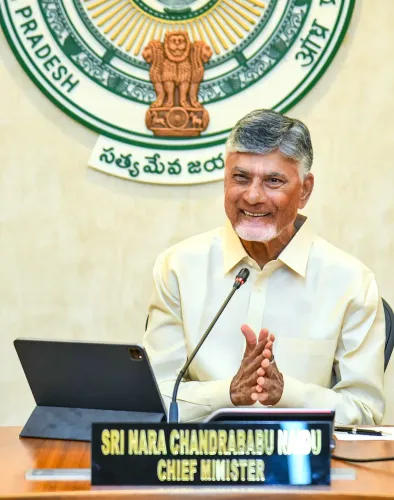
The occasion was the inauguration of 33 newly installed gates at the Tungabhadra Dam near Hospet, a landmark infrastructure upgrade attended by the chief ministers of all three riparian states. Chief Ministers D.K. Shivakumar of Karnataka, N. Chandrababu Naidu of Andhra Pradesh, and Revanth Reddy of Telangana joined Minister C.R. Patil alongside senior ministers and officials from all three states.
Revanth Reddy told the gathering that under the RDS, Telangana can currently utilise only 5 TMC of the 15.9 TMC allocated to the Palamuru region, leaving 10 TMC unreached. He attributed the shortfall to siltation in the Tungabhadra reservoir and systemic problems in water conveyance.
Policy Backdrop
The Tungabhadra Dam, completed in 1953 as a joint venture between the Nizam of Hyderabad and the Maharaja of Mysore, was designed to serve irrigation across what are today Karnataka, Andhra Pradesh and Telangana. The Krishna Water Disputes Tribunal formalised inter-state water shares in its 1976 award, and the Rajolibanda Diversion Scheme was sanctioned subsequently to channel Tungabhadra flows to drought-prone districts including Gadwal, Alampur and Palamuru.
Revanth Reddy invoked that founding spirit at Hospet, noting that 'Mysore Maharaju, Hyderabad Nizam Nawab kalisi Tungabhadra Dam nu nirmincharu' — the Mysore Maharaja and the Hyderabad Nizam together built the Tungabhadra Dam for the farmers of the region — and called on elected representatives to match that resolve.
Stakeholders and Impact
The 10 TMC gap in water delivery directly affects lakhs of farmers in Gadwal and Alampur constituencies and the wider Palamuru region, one of Telangana's most agriculturally dependent and historically under-irrigated zones. Revanth Reddy warned that water that should be reaching fields is instead flowing unused into the sea.
The new 33-gate infrastructure at the Tungabhadra Dam is expected to improve regulation of releases, potentially benefiting cultivators across Ballari, Anantapur, Kurnool and Palamuru districts — spanning all three states. The Chief Minister described the gate restoration as a solution to 'a three-generation-old problem.'
What's Next
Revanth Reddy expressed confidence that Minister C.R. Patil would provide a 'permanent solution' to the inter-state water dispute, stating that discussions at Hospet had reached a 'conclusive stage.' He framed the tripartite talks — held on the banks of the Tungabhadra at Ballari — as a potentially historic moment for resolving long-standing disputes over Krishna, Godavari and Tungabhadra waters.
The Jal Shakti Ministry is now expected to issue follow-up directions on gate operations, desilting timelines and actual water releases under the RDS. Any binding framework emerging from this tripartite engagement could reduce the need for litigation before the Krishna Water Disputes Tribunal and set a precedent for cooperative inter-state water governance in peninsular India.
Point of View
Positioning the Congress government in Hyderabad as a proactive advocate for farmers in a historically neglected region. Whether the Jal Shakti Ministry translates the goodwill into binding operational orders on desilting and water releases will be the real test of whether this summit moves beyond symbolism.
NationPress
25 Jun 2026
Frequently Asked Questions
What is the Rajolibanda Diversion Scheme?
The Rajolibanda Diversion Scheme (RDS) is an irrigation project that draws water from the Tungabhadra river to serve drought-prone districts including Gadwal, Alampur and Palamuru in Telangana. It was sanctioned to deliver up to 15.9 TMC of water to the region.
Why is Telangana not getting its full RDS water allocation?
CM Revanth Reddy cited two main reasons: heavy siltation inside the Tungabhadra reservoir and systemic problems in water conveyance infrastructure, which together prevent around 10 TMC of the allocated 15.9 TMC from reaching Telangana's fields.
What happened at the Tungabhadra Dam inauguration on 25 June 2026?
Union Jal Shakti Minister C.R. Patil inaugurated 33 newly installed gates at the Tungabhadra Dam near Hospet, Karnataka. The event was attended by the chief ministers of Karnataka (D.K. Shivakumar), Andhra Pradesh (N. Chandrababu Naidu) and Telangana (Revanth Reddy).
How many farmers are affected by the Tungabhadra water shortage in Telangana?
Lakhs of farmers in the Gadwal and Alampur constituencies and the broader Palamuru region are affected by the shortfall, according to CM Revanth Reddy's statement at the Hospet event.
What is the history of the Tungabhadra Dam?
The Tungabhadra Dam was completed in 1953 as a joint project between the Nizam of Hyderabad and the Maharaja of Mysore to provide irrigation to the region. Water shares among the riparian states were formalised by the Krishna Water Disputes Tribunal in its 1976 award.