CM Sai Approves VB-G Ram Ji Yojana for July 1 Launch
Synopsis
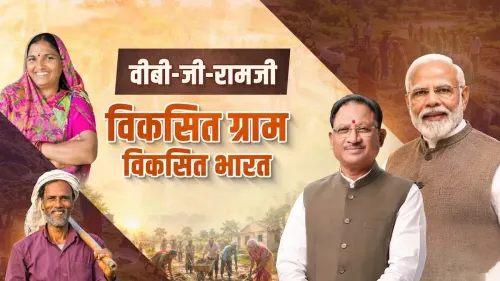
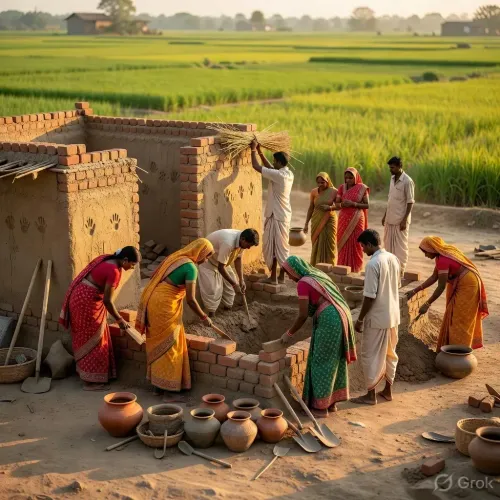
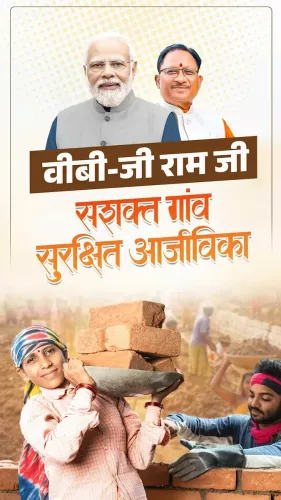
Chhattisgarh Chief Minister Vishnu Deo Sai announced on 24 June 2026 that his cabinet has approved the VB-G Ram Ji Yojana, a rural livelihood and self-reliance scheme aligned with the Viksit Bharat vision, set to launch on 1 July 2026 through gram sabhas and training camps statewide.
Key Takeaways
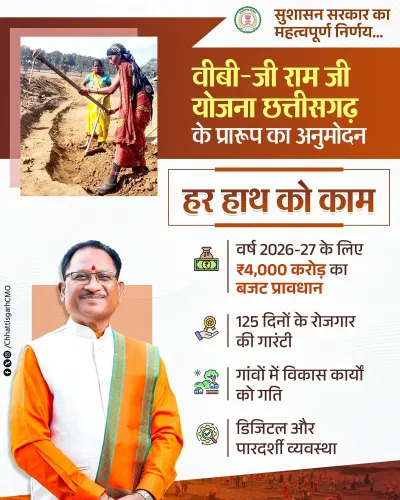
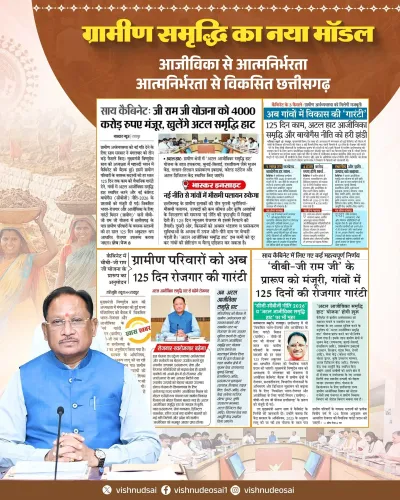
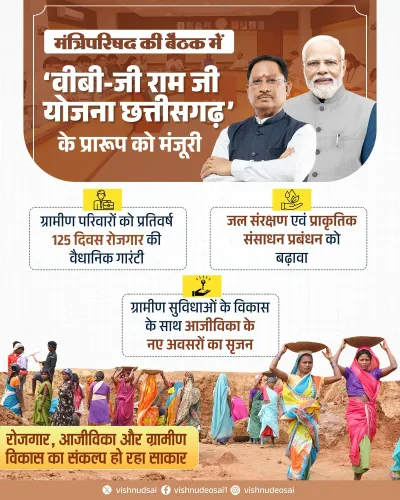
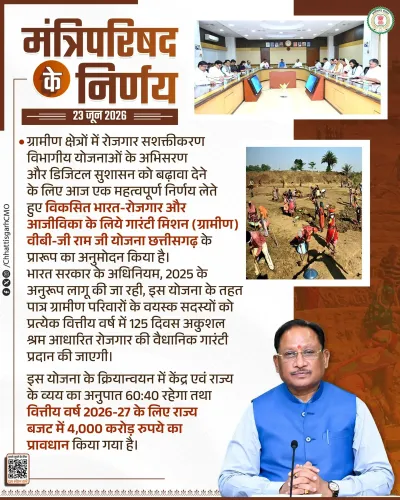
Chhattisgarh cabinet approved the draft framework of the VB-G Ram Ji Yojana in a meeting held on 23 June 2026 .
The scheme is scheduled to come into effect from 1 July 2026 , targeting rural livelihoods, employment, and self-reliant villages.
Chief Minister Vishnu Deo Sai credited Prime Minister Narendra Modi's Viksit Bharat vision and Union Minister Shivraj Singh Chouhan's guidance for the initiative.
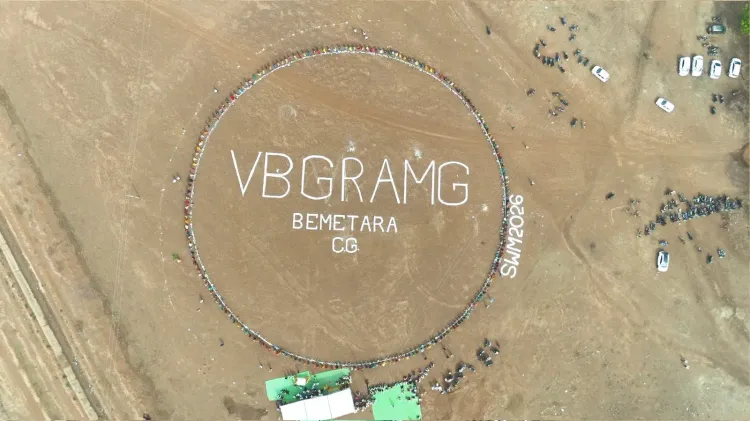
Awareness drives through gram sabhas , public participation campaigns, and training camps are already underway across rural Chhattisgarh.
The scheme's name references Viksit Bharat (VB) , aligning it with the central government's development framework for 2047 .
Exact beneficiary targets and scheme components are yet to be detailed in official guidelines ahead of the launch.
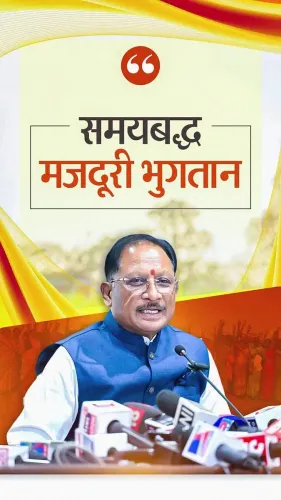
Chhattisgarh Chief Minister Vishnu Deo Sai on Wednesday, 24 June 2026, announced that the state cabinet has formally approved the draft framework of the VB-G Ram Ji Yojana, Chhattisgarh, a rural livelihood and self-reliance scheme set to take effect from 1 July 2026. The announcement was made in a post addressed to Union Agriculture Minister Shivraj Singh Chouhan, crediting his guidance and Prime Minister Narendra Modi's leadership for the initiative.
Context
Posting in Hindi on 24 June 2026, Chief Minister Sai wrote that the scheme would prove to be 'ek aitihasik pahal' (a historic initiative) in the direction of rural livelihoods, employment, and self-reliant villages. He noted that the cabinet meeting held the previous day had granted approval to the scheme's draft, and that awareness drives through jan bhagidari (public participation), training camps, and gram sabhas are already underway across the state's rural belts.
The scheme's name — VB-G Ram Ji Yojana — draws on the 'Viksit Bharat' (Developed India) framework championed by the central government, signalling a deliberate alignment between state-level implementation and the national Viksit Bharat @2047 vision.
Policy Backdrop
The VB-G Ram Ji Yojana builds on the policy lineage of the Deendayal Antyodaya Yojana – National Rural Livelihoods Mission (DAY-NRLM), launched in 2011, which sought to organise rural poor households into self-help groups (SHGs) for sustainable income generation. Chhattisgarh, with a large tribal and agrarian population, has consistently ranked among the priority states for rural livelihood interventions under central missions.
Since 2014, BJP-governed states have increasingly branded new welfare schemes within the Viksit Bharat architecture, emphasising employment generation, gram sabha participation, and community ownership. The cabinet approval of the VB-G Ram Ji Yojana fits squarely within this pattern, with the state government positioning itself as an active implementer of the Prime Minister's broader development agenda.
Stakeholders and Impact
The scheme's primary beneficiaries are rural households and village panchayats across Chhattisgarh. Chief Minister Sai indicated that awareness has already been seeded through training camps and gram sabha meetings, suggesting a pre-launch mobilisation effort is in progress. The involvement of gram sabhas points to a community-driven delivery model rather than a purely top-down transfer mechanism.
Shivraj Singh Chouhan, a senior BJP leader and former Chief Minister of Madhya Pradesh, has been acknowledged as a guiding figure for the scheme. His current role as Union Agriculture Minister makes his involvement in a rural livelihood scheme structurally significant, potentially indicating coordination between state and central rural development departments.
What's Next
With cabinet approval secured, the focus now shifts to the formal rollout of scheme guidelines ahead of the 1 July 2026 launch date. Coverage metrics from gram sabha training camps and the extent of integration with existing central programmes such as DAY-NRLM will be closely watched by rural development administrators and civil society groups. The scheme's actual reach and beneficiary targets remain to be detailed in the official guidelines. If implementation matches the mobilisation already underway, Chhattisgarh could position the VB-G Ram Ji Yojana as a model for state-level adaptation of the Viksit Bharat framework ahead of the 2047 centenary goal.
Point of View
Strengthening the BJP's political messaging ahead of future electoral cycles in Chhattisgarh. Chief Minister Sai's public acknowledgement of both Prime Minister Modi and Shivraj Singh Chouhan — a senior central minister — signals a carefully managed hierarchy of credit that reinforces the party's unified governance narrative. The emphasis on gram sabha participation and community training before the formal launch date suggests the state government is prioritising visible on-ground mobilisation, which serves both policy and political communication goals. How effectively the scheme integrates with existing central rural livelihood missions will determine whether it adds substantive value or remains largely a rebranding exercise.
NationPress
23 Sept 2026
Frequently Asked Questions
What is the VB-G Ram Ji Yojana in Chhattisgarh?
The VB-G Ram Ji Yojana is a Chhattisgarh state government scheme focused on rural livelihoods, employment, and building self-reliant villages, approved by the state cabinet on 23 June 2026 and set to launch on 1 July 2026. Its name draws on the 'Viksit Bharat' (Developed India) vision of the central government.
When will the VB-G Ram Ji Yojana be implemented?
The VB-G Ram Ji Yojana is scheduled to come into effect from 1 July 2026 across rural areas of Chhattisgarh, following cabinet approval of its draft framework on 23 June 2026.
Who approved the VB-G Ram Ji Yojana?
Chhattisgarh Chief Minister Vishnu Deo Sai announced that the state cabinet approved the scheme's draft framework. He credited Prime Minister Narendra Modi's leadership and Union Minister Shivraj Singh Chouhan's guidance for the initiative.
What is the Viksit Bharat connection to the VB-G Ram Ji Yojana?
The scheme's name incorporates 'VB' as a reference to 'Viksit Bharat' (Developed India), the Prime Minister's overarching development vision targeting India's centenary in 2047. Chhattisgarh's scheme is positioned as a state-level contribution to that national goal.
How is Chhattisgarh spreading awareness about the VB-G Ram Ji Yojana?
The state government is conducting awareness drives through gram sabhas (village assemblies), public participation campaigns, and training camps across rural Chhattisgarh ahead of the scheme's 1 July 2026 launch.