CM Sai launches 'Meri Beti–Mera Abhiman' drive in Chhattisgarh
Synopsis
Chief Minister Vishnu Deo Sai launched the 'Meri Beti–Mera Abhiman' campaign on 6 August 2026, committing to build 6,671 girl-child toilets in rural government schools, 6,524 village waiting-shed-cum-cremation facilities, and 10,027 borewell recharge pits across Chhattisgarh by Republic Day 2027.
Key Takeaways
6,671 girl-child toilets to be built in rural government schools across Chhattisgarh.
6,524 villages will receive waiting-shed-cum-cremation-ground ( prateekshalay sah muktidham ) facilities.
10,027 defunct borewells will be fitted with recharge pits for groundwater conservation.
Campaign runs from 15 August 2026 (Independence Day) to 26 January 2027 (Republic Day).
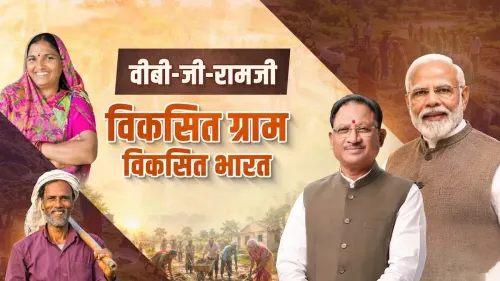
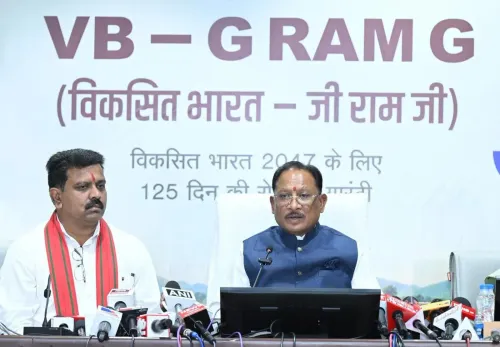
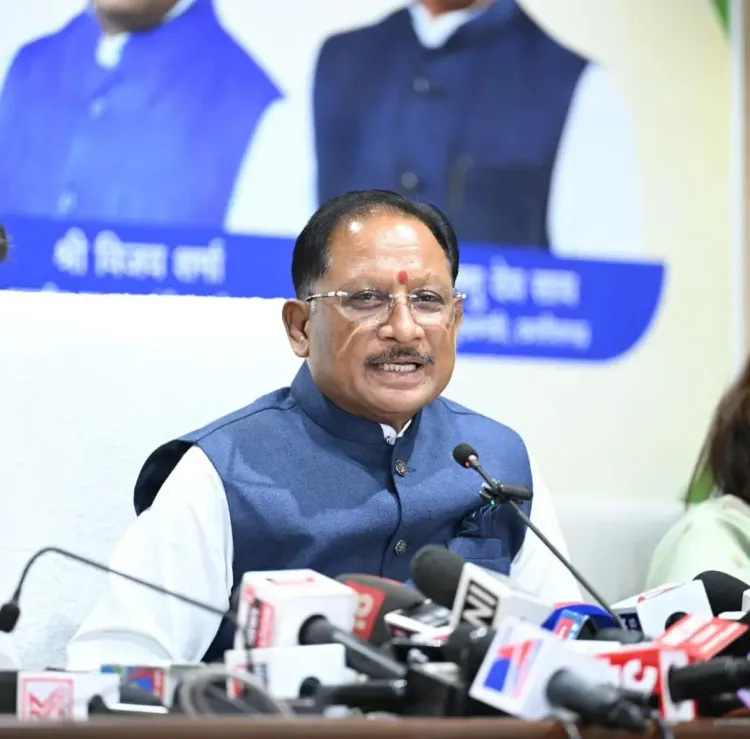
Launched under the VB-G Ram Ji initiative at a press conference at Mahanadi Bhawan, Nava Raipur .
Campaign builds on national frameworks including Beti Bachao Beti Padhao (2015) and Swachh Bharat Mission (2014).
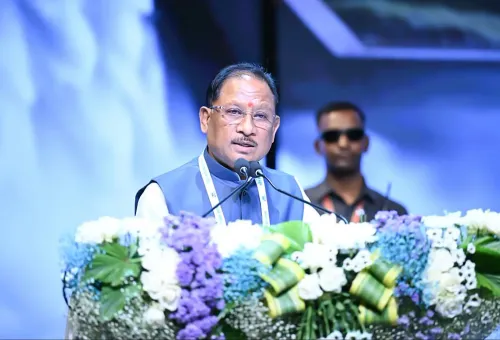
Six thousand six hundred and seventy-one toilets for girls. That is the opening number of a campaign Chief Minister Vishnu Deo Sai launched on 6 August 2026 at Mahanadi Bhawan, Nava Raipur — and it tells you exactly what his government thinks rural Chhattisgarh still needs most.
The Chief Minister's Office announced the state-wide 'Meri Beti–Mera Abhiman' (My Daughter–My Pride) campaign under the VB-G Ram Ji initiative at a press conference chaired by CM Sai. The campaign runs from 15 August 2026 to 26 January 2027 — Independence Day to Republic Day — a window chosen, evidently, to carry symbolic national weight alongside its construction targets.
Three targets, one deadline: what gets built and where
The numbers are specific. 6,671 girl-child toilets will be constructed in government schools across rural Chhattisgarh. Simultaneously, 6,524 villages will receive waiting-shed-cum-cremation-ground (prateekshalay sah muktidham) facilities. And 10,027 defunct borewells will be fitted with recharge pits to revive groundwater. Three very different problems — school sanitation, village civic infrastructure, and water conservation — bundled into a single six-month sprint.
The toilet target is the most politically charged of the three. Dropout rates among adolescent girls in rural India have long been linked to the absence of functional, private sanitation in schools. Chhattisgarh's government schools in interior districts — many serving tribal and agrarian communities — have historically struggled with this gap. A construction push of this scale, if executed on schedule, would represent a measurable shift.
Where 'Meri Beti–Mera Abhiman' fits in India's sanitation arc
The campaign draws on a lineage that goes back to the national Beti Bachao Beti Padhao scheme launched in 2015, which tied girls' safety and education to sanitation infrastructure. The Swachh Bharat Mission, also from 2014, made school toilet construction a flagship metric. Chhattisgarh's new campaign is, in effect, a state-level second-generation push — acknowledging that first-round construction was incomplete or that existing facilities have since fallen into disrepair.
The borewell recharge-pit component adds a water-conservation dimension that goes beyond the girls'-welfare framing. With 10,027 defunct borewells targeted, the government is also addressing a rural groundwater crisis that affects entire village economies, not just schools.
Sai government's welfare-infrastructure bet
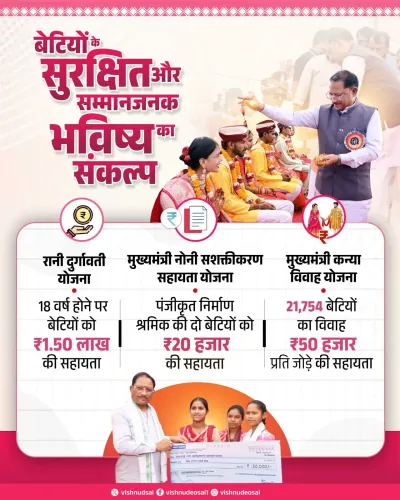
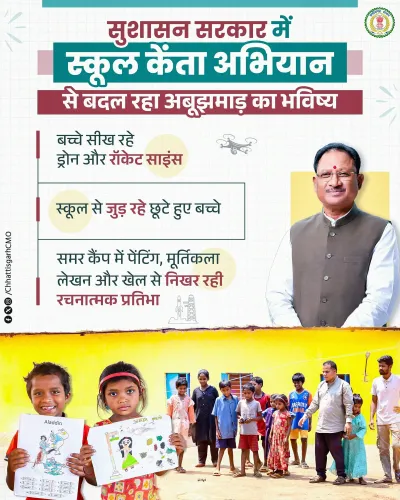
Since taking office in December 2023 after the BJP's assembly election victory, CM Sai has consistently paired women-focused welfare announcements with rural infrastructure commitments — a dual-track that serves both electoral and developmental logic. The 'Sushaasan Sarkar' (Good Governance Government) tagline deployed in the post reflects the administration's self-positioning ahead of the campaign rollout.
The real test begins on 15 August 2026. Construction targets at this scale — spread across thousands of villages in a geographically challenging state — demand supply chains, contractor capacity, and district-level oversight that will be scrutinised as the six-month clock runs down to Republic Day.
Point of View
The Sai government creates a built-in accountability window while generating two rounds of symbolic coverage. The borewell recharge-pit target is the most substantive element, embedding a water-security agenda inside a women-empowerment frame — a smart bundling that broadens the political constituency for a single scheme. Whether district administrations can execute nearly 23,000 construction works in six months across Chhattisgarh's dispersed rural geography is the question that will define whether this is remembered as a milestone or a missed target.
NationPress
21 Sept 2026
Frequently Asked Questions
What is the 'Meri Beti Mera Abhiman' campaign in Chhattisgarh?
'Meri Beti–Mera Abhiman' (My Daughter–My Pride) is a state-wide campaign launched by Chief Minister Vishnu Deo Sai on 6 August 2026, aimed at building girl-child toilets in rural government schools, village civic facilities, and borewell recharge pits across Chhattisgarh between 15 August 2026 and 26 January 2027.
How many toilets will be built for girls under the Chhattisgarh campaign?
The campaign targets construction of 6,671 girl-child toilets in government schools in rural areas of Chhattisgarh.
What is VB-G Ram Ji in Chhattisgarh?
VB-G Ram Ji is the overarching initiative under which the 'Meri Beti–Mera Abhiman' campaign has been launched by the Chhattisgarh government, focusing on rural development, women's welfare, and infrastructure works.
What are borewell recharge pits and why is Chhattisgarh building them?
Recharge pits are structures built around defunct borewells to channel rainwater underground and replenish groundwater. Chhattisgarh plans to install them at 10,027 defunct borewells to address rural groundwater depletion as part of the 'Meri Beti–Mera Abhiman' campaign.
When does the Meri Beti Mera Abhiman campaign end?
The campaign runs from 15 August 2026 (Independence Day) to 26 January 2027 (Republic Day), giving the state government a six-month window to complete the listed construction targets.