CM Sai launches folk-art honour in Teejan Bai's name at Rajyotsav
Synopsis
Chhattisgarh CM Vishnu Deo Sai announced the Lokkala Alankaran Samman, a new annual folk-art honour inspired by Padma Vibhushan recipient Teejan Bai's legacy, to be launched at Rajyotsav 2026 to preserve and transmit the state's folk traditions.
Key Takeaways
Lokkala Alankaran Samman is a new state award for folk-art contribution, announced by CM Vishnu Deo Sai on 25 October 2026 .
The award is directly inspired by Teejan Bai's lifetime of work in Pandavani , Chhattisgarh's oral Mahabharata-narration folk tradition.
Teejan Bai holds the Padma Vibhushan (2019) , Padma Bhushan (2003) and Padma Shri (1988) — the most decorated Pandavani artist in history.
The award will be formally launched at Rajyotsav , held every 1 November to mark Chhattisgarh's statehood anniversary.
Selection criteria, the committee and the first awardee have not yet been announced.
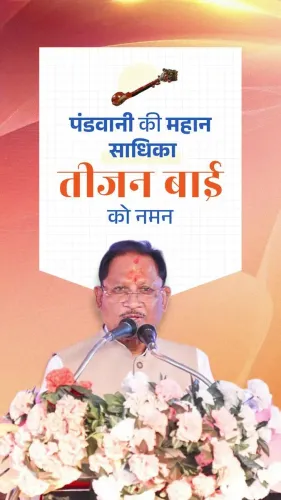
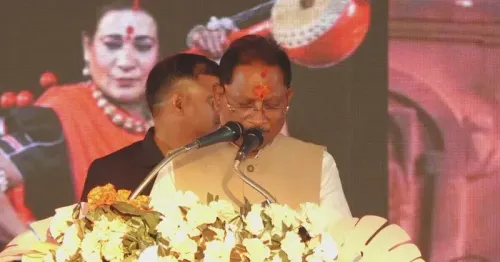
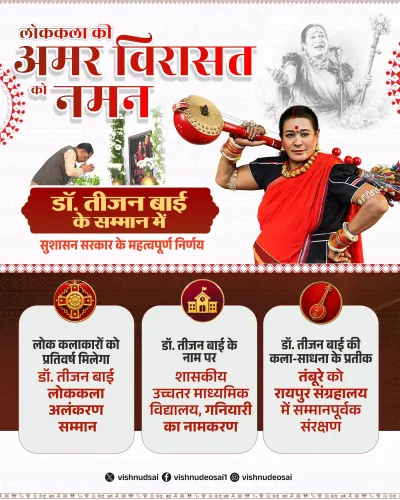
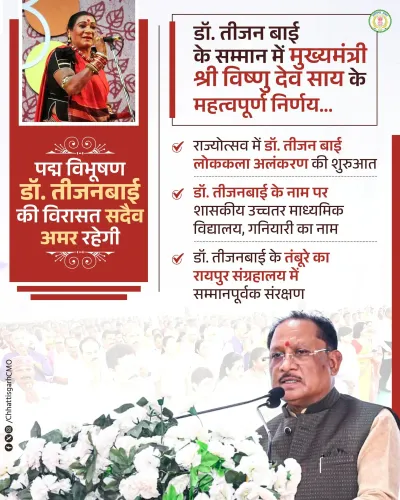
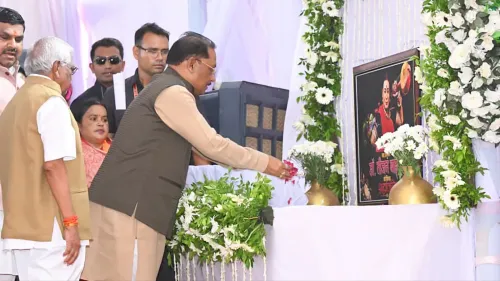
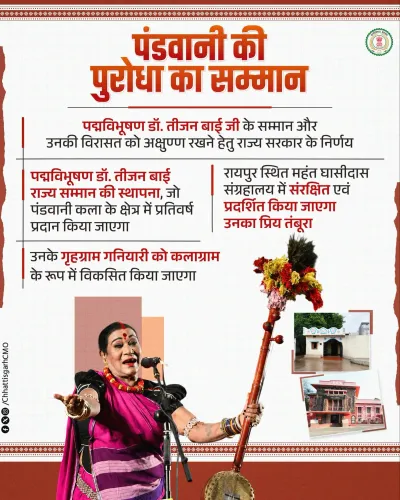
A living legend of Chhattisgarh's folk stage is about to lend her name to something that will outlast any single performance. Chhattisgarh Chief Minister Vishnu Deo Sai announced on Sunday, 25 October 2026, that the state will launch a new annual honour — the Lokkala Alankaran Samman ('Folk Art Decoration Award') — at this year's Rajyotsav, the state's annual statehood festival, in recognition of Teejan Bai's unparalleled contribution to Pandavani folk art.
Teejan Bai and the art she carried to the world
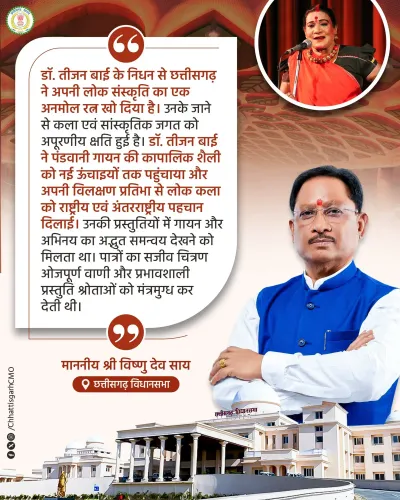
Posting in Hindi, CM Sai wrote that Teejan Bai had given 'global recognition to Pandavani — the priceless cultural heritage of Chhattisgarh — through her extraordinary artistic devotion.' He described the new award as an initiative aimed at 'preserving the folk-art tradition of Chhattisgarh and transmitting it to new generations.'
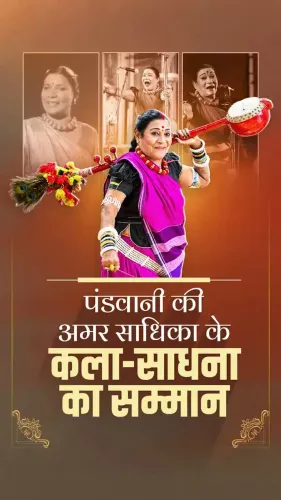
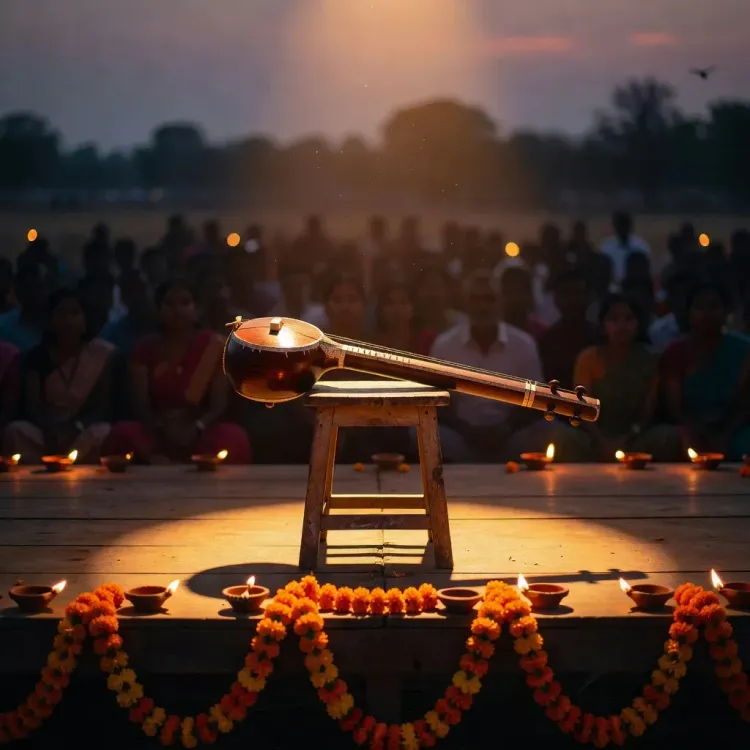
Teejan Bai is widely regarded as the face of Pandavani, a Chhattisgarhi oral-performance tradition in which a solo artist narrates episodes from the Mahabharata through song, theatrical expression and the single-stringed tambura. Born in Ganiyari village, Bilaspur district, she began performing as a child and went on to take the form to stages across Europe, North America and Asia. India's highest civilian honours followed: Padma Shri (1988), Padma Bhushan (2003) and Padma Vibhushan (2019) — the last making her the first Pandavani artist to receive that distinction.
Rajyotsav as the launchpad
Rajyotsav, celebrated every November 1 to mark Chhattisgarh's formation in 2000, has long served as the state's most visible platform for cultural showcase and policy announcements tied to its identity. Anchoring the new award to this occasion is a deliberate signal: the Lokkala Alankaran Samman is not a bureaucratic footnote but a centrepiece of how the state frames its folk heritage publicly.
State governments across central and eastern India have periodically instituted such targeted awards to document, reward and transmit endangered folk-performance traditions. Chhattisgarh is now formally joining that pattern — with Rajyotsav as the recurring stage and Teejan Bai's legacy as the founding rationale.
What the award must still define
The announcement, as it stands, establishes intent rather than procedure. The selection committee, eligibility criteria and the identity of the first awardee have not yet been disclosed — details the state is expected to formalise when the scheme is unveiled at Rajyotsav 2026. What is clear is the government's framing: this is meant to reach folk artists who have sustained living traditions, not merely to celebrate the famous few already honoured by Delhi.
For the many Pandavani and broader folk performers who labour without institutional recognition, the question the award must answer is simple — who, concretely, comes next after Teejan Bai?
Point of View
Turning a routine cultural announcement into a moment of regional pride. The real test, however, is institutional: whether the selection process is transparent and whether the award reaches working artists outside the already-celebrated elite. State folk-art awards in India have a mixed record on that front — some become genuine discovery engines, others calcify into patronage rituals.
NationPress
25 Oct 2026
Frequently Asked Questions
What is the Lokkala Alankaran Samman?
The Lokkala Alankaran Samman is a new Chhattisgarh state award announced by CM Vishnu Deo Sai to honour individuals who have made sustained contributions to the state's folk-art traditions. It will be launched at Rajyotsav 2026.
Why is the award named in honour of Teejan Bai?
Teejan Bai is the most celebrated practitioner of Pandavani, Chhattisgarh's traditional Mahabharata-narration folk form, and holds the Padma Vibhushan, India's third-highest civilian honour. CM Sai cited her 'extraordinary artistic devotion' as the founding inspiration for the new award.
When will the Lokkala Alankaran Samman be given out?
The award is set to be formally launched at Rajyotsav, which is celebrated on 1 November each year to mark Chhattisgarh's statehood anniversary. The first recipient and selection criteria have not yet been announced.
What Padma awards has Teejan Bai received?
Teejan Bai has received the Padma Shri in 1988, the Padma Bhushan in 2003, and the Padma Vibhushan in 2019 — making her the most decorated Pandavani artist in the history of India's civilian honour system.