CM Sai unveils Birsa Munda statue at Bilaspur university
Synopsis
On Janjatiya Gaurav Diwas, Chhattisgarh CM Vishnu Deo Sai unveiled a Birsa Munda statue and walked through a new tribal heritage gallery at Guru Ghasidas Central University, Bilaspur, pledging tribal welfare across education, health and employment.
Key Takeaways
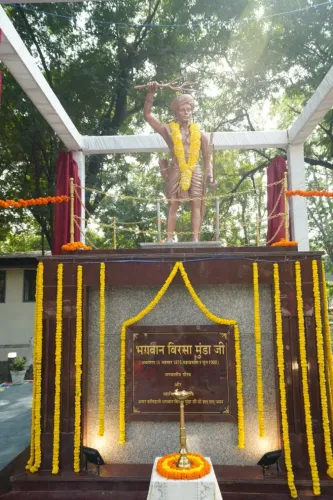
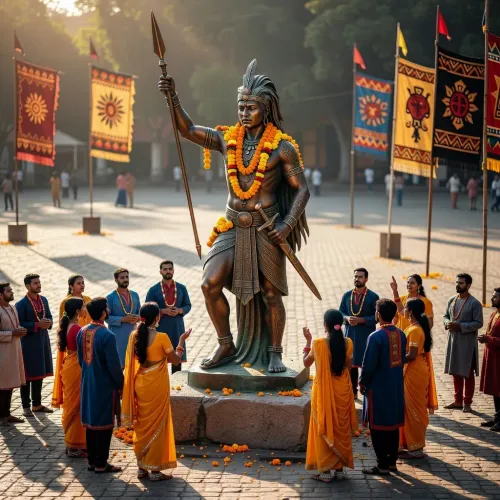
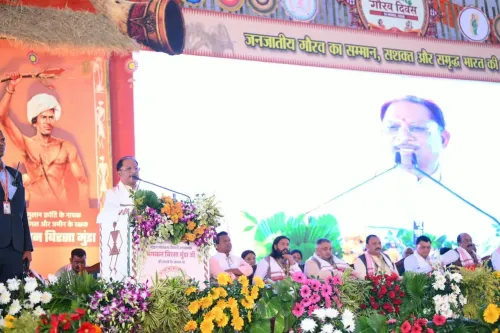
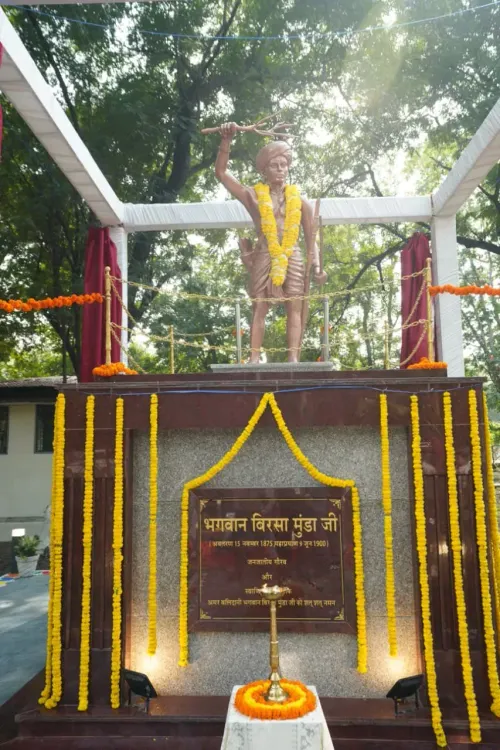
Chhattisgarh CM Vishnu Deo Sai unveiled a statue of Birsa Munda at Guru Ghasidas Central University, Bilaspur on 16 November 2026 .
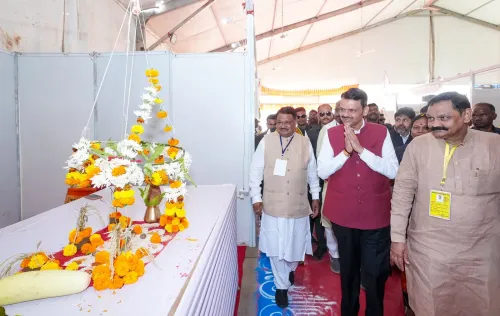
He also visited the newly inaugurated Janjatiya Veethika , a gallery showcasing the struggle stories of tribal heroes.
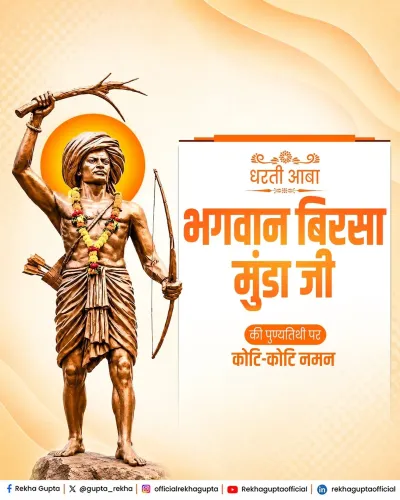
Birsa Munda , known as 'Dharti Aaba' , led 19th-century resistance against British rule in the Chotanagpur region and died in 1900.
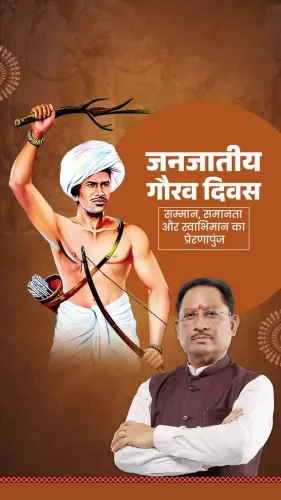
Janjatiya Gaurav Diwas is observed every 15 November — Birsa Munda's birth anniversary — and was formally instituted by the Government of India in 2021 .
CM Sai pledged to advance tribal welfare through education, health, and employment opportunities for every tribal family in Chhattisgarh.
Guru Ghasidas Central University was established in 1983 and granted central-university status in 2009 .
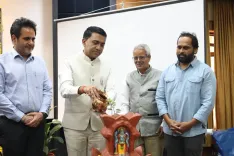
Pride and history converged in Bilaspur on Monday, 16 November 2026, as Chhattisgarh Chief Minister Vishnu Deo Sai unveiled a statue of tribal icon Birsa Munda at Guru Ghasidas Central University and walked through a newly inaugurated tribal heritage gallery — a moment he called a source of deep inspiration for every Indian.
Posting on X in Hindi, CM Sai wrote: 'जनजातीय वीर नायकों का साहस और बलिदान हम सभी के लिए प्रेरणा है' — 'The courage and sacrifice of our tribal heroes are an inspiration for all of us.' He described touring the Janjatiya Veethika, a gallery dedicated to the struggle stories of tribal warriors, adding that the sight of these accounts 'filled the heart with pride.'
Birsa Munda, 'Dharti Aaba,' and what his statue means in Bilaspur
Birsa Munda — revered as 'Dharti Aaba', meaning 'Father of the Earth' — led a fierce revolt against British colonial authority in the Chotanagpur region in the late 19th century. He died in 1900 at around 25 years of age, but his memory endured as the defining symbol of tribal resistance and dignity. His birth anniversary, 15 November, was formally designated Janjatiya Gaurav Diwas (Tribal Pride Day) by the Government of India in 2021, anchoring national recognition of tribal contributions to the freedom struggle.
Guru Ghasidas Central University, established in 1983 and upgraded to central-university status in 2009, is itself named after a revered Chhattisgarhi saint and social reformer. Installing a Birsa Munda statue and a dedicated tribal heritage gallery within its campus layers two streams of regional identity onto a national academic institution — a deliberate cultural statement.
BJP's push to embed tribal icons in public spaces
The Bilaspur event fits a consistent pattern across central and BJP-governed state governments over recent years: commissioning memorials, naming institutions, and building cultural installations that foreground tribal heroes — figures who had often been absent from mainstream historical commemoration. Chhattisgarh, where Scheduled Tribes constitute a significant share of the population, has been a particular focus since the state's formation in 2000.
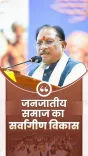
CM Sai framed the statue unveiling within a wider governance pledge. 'Our government is continuously working to preserve the rich culture and traditions of tribal society while bringing prosperity to their lives,' he wrote, naming education, health, and employment as the three pillars of that commitment. 'The progress of every tribal family through better opportunities in education, health and employment is our resolve,' he added.
What follows the symbolic gestures
Statues and galleries generate visibility; delivery on those three pillars — schools, hospitals, and livelihoods — will be the measure that tribal communities in Chhattisgarh ultimately apply. With Janjatiya Gaurav Diwas now embedded in the national calendar, state governments face an annual accountability moment: show what changed in the year since the last commemoration.
For Bilaspur's university campus, the gallery and statue are now permanent fixtures. Whether they seed a broader civic curriculum on tribal history — or remain ceremonial installations — depends on how actively the institution integrates them into teaching and public engagement.
Birsa Munda once told colonial courts he answered to no authority but the land. That land, and the people who live on it, are still watching.
Point of View
Where tribal votes are electorally decisive and welfare deficits remain deep, the symbolism must eventually be matched by measurable outcomes in education, health and livelihoods. Janjatiya Gaurav Diwas, now five years old as a formal institution, is maturing into an annual accountability benchmark — one that community leaders increasingly use to audit state-level delivery, not just celebrate heritage.
NationPress
16 Nov 2026
Frequently Asked Questions
What is Janjatiya Gaurav Diwas and why is it celebrated on 15 November?
Janjatiya Gaurav Diwas is a national observance held every 15 November to honour the contributions of tribal communities to India's freedom struggle. The date marks the birth anniversary of Birsa Munda , the revered tribal leader from Chotanagpur. The Government of India formally instituted the observance in 2021 .
Who was Birsa Munda and why is he called Dharti Aaba?
Birsa Munda was a tribal leader and folk hero from the Chotanagpur region who led a fierce uprising against British colonial authority in the late 19th century. He is called 'Dharti Aaba' — meaning 'Father of the Earth' — in recognition of his deep connection to the land and his people. He died in 1900, at around 25 years of age.
Where is Guru Ghasidas Central University located?
Guru Ghasidas Central University is located in Bilaspur, Chhattisgarh . It was established in 1983 and upgraded to the status of a central university in 2009 . It is named after the revered Chhattisgarhi saint and social reformer Guru Ghasidas.
What did CM Vishnu Deo Sai do at the Bilaspur university event?
Chhattisgarh CM Vishnu Deo Sai unveiled a statue of Birsa Munda and visited the Janjatiya Veethika — a tribal heritage gallery showcasing the struggle stories of tribal heroes — at Guru Ghasidas Central University in Bilaspur on 16 November 2026 .
What welfare commitments did CM Sai make for tribal communities in Chhattisgarh?
CM Vishnu Deo Sai reaffirmed his government's resolve to advance the welfare of every tribal family through better access to education, health, and employment . He stated the government is continuously working to preserve tribal culture and traditions while improving prosperity across tribal communities in Chhattisgarh .