CM Saini Hails India's First Hydrogen Train Launch from Jind
Synopsis
Haryana Chief Minister Nayab Singh Saini praised PM Narendra Modi on 17 July 2026 for launching India's first hydrogen train from Jind, describing it as a landmark in the country's push for green transport, clean energy, and indigenous technology under the Viksit Bharat vision.
Key Takeaways
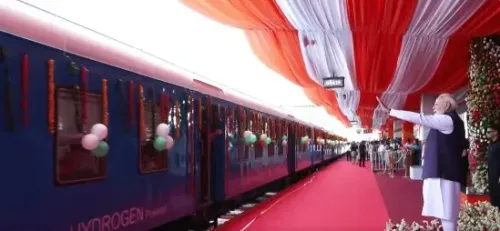
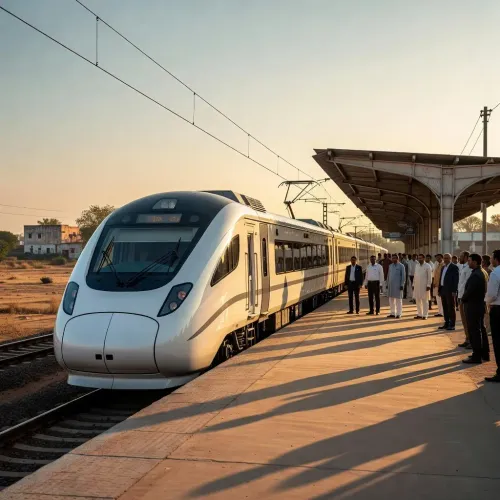
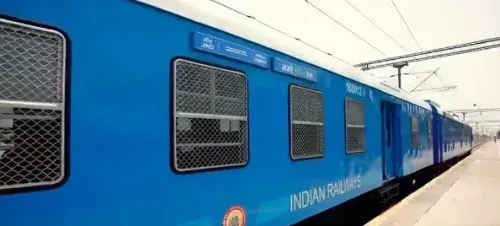
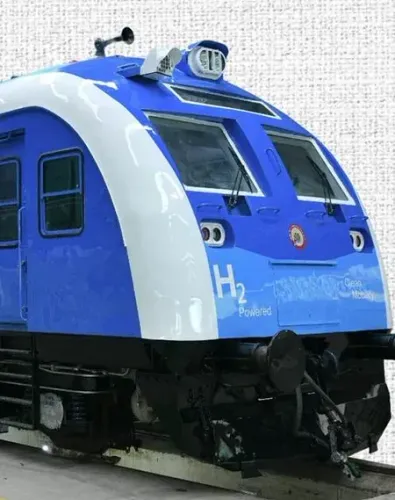
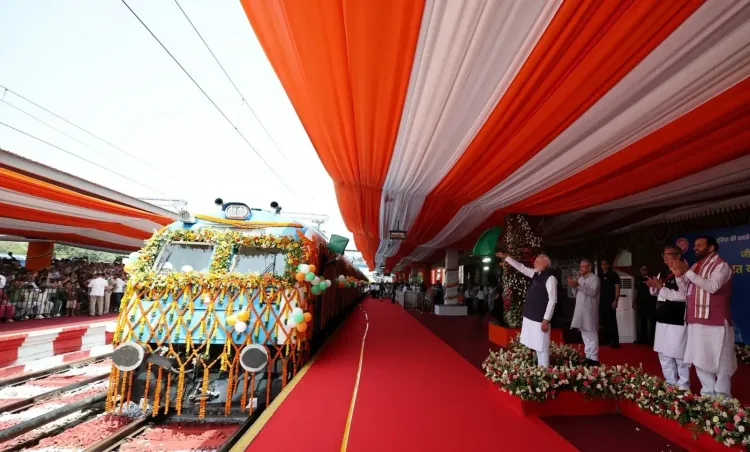
India's first hydrogen train was launched from Jind, Haryana , with PM Narendra Modi presiding over the inauguration.
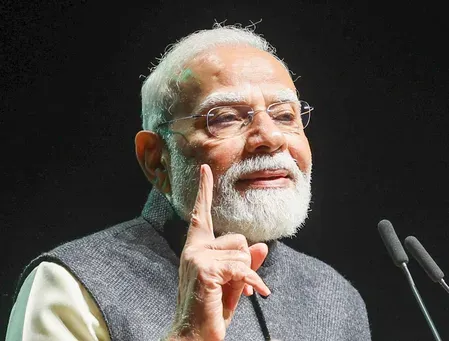
CM Nayab Singh Saini publicly thanked the Prime Minister on 17 July 2026 , calling the launch a historic achievement.
The train was developed using indigenous technology , credited to Indian engineers and technicians.
The launch is positioned as a milestone under the Viksit Bharat (Developed India by 2047) vision.
The development aligns with the National Green Hydrogen Mission (2023) and India's net-zero by 2070 commitment.
Future steps include assessing the pilot for route expansion and potential integration with broader Indian Railways services.
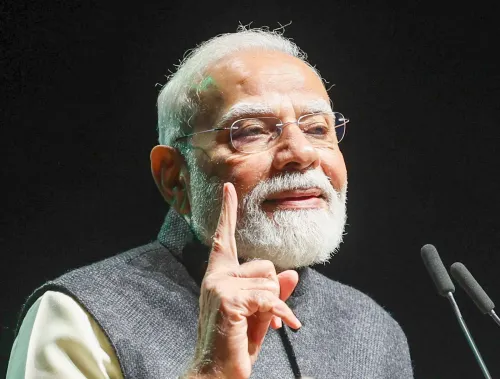
Haryana Chief Minister Nayab Singh Saini on Friday, 17 July 2026, thanked Prime Minister Narendra Modi for inaugurating what he described as the country's first hydrogen-powered train, flagged off from Jind in Haryana, calling it a historic milestone in India's green transport journey.
Context
Saini expressed his gratitude in a post on X, writing — 'जींद से देश की पहली हाइड्रोजन ट्रेन के शुभारंभ के लिए माननीय प्रधानमंत्री जी आपका हार्दिक आभार' — ('Heartfelt gratitude to the honourable Prime Minister for the launch of the country's first hydrogen train from Jind'). He described the development as a significant milestone on the road to a 'Viksit Bharat' — a developed India by 2047.
The Chief Minister emphasised that the train has been developed using indigenous technology, calling it a symbol of the 'outstanding capability, innovation, and dedication of our engineers and technicians.'
Policy Backdrop
The launch aligns with the National Green Hydrogen Mission, introduced in 2023, which set out to promote the domestic production and use of green hydrogen across sectors including transport. The mission forms part of India's broader commitment to reaching net-zero emissions by 2070.
The development also draws from the Atmanirbhar Bharat initiative, announced in 2020, which has consistently emphasised self-reliance in strategic technology sectors. Hydrogen propulsion in rail transport represents one of the more ambitious applications of that policy push, with Indian Railways having explored multiple pilot corridors for alternative fuel deployment alongside its ongoing electrification drive.
The Make in India programme has further reinforced domestic R&D in clean energy technology, and the choice of Jind — a district in Haryana — as the inaugural point adds a regional dimension to what is being positioned as a nationally significant achievement.
Stakeholders and Impact
Indian Railways and the broader green technology sector stand as the primary stakeholders in this development. A domestically engineered hydrogen train, if successfully operationalised, could reduce dependence on fossil-fuel-based traction and cut carbon emissions on select rail corridors.
For Haryana, the launch carries symbolic weight — positioning the state as a launchpad for frontier clean-energy infrastructure. Engineers and technicians credited in the post represent the domestic R&D ecosystem that the central government has sought to build through successive policy interventions.
What's Next
Attention will now turn to the expansion of hydrogen train services beyond the initial Jind corridor. Policymakers and rail planners are expected to assess the pilot's operational data before committing to wider deployment across additional routes, including possible integration with Vande Bharat services or dedicated freight corridors.
Parliamentary scrutiny of the Green Hydrogen Mission's budget utilisation and any technology transfer agreements will also be closely watched as India attempts to scale this capability from a single historic launch into a transformative shift for its rail network.
Point of View
The event tests whether India's indigenous hydrogen propulsion capability can move from pilot to scale, a question that will define the Green Hydrogen Mission's credibility in the transport sector. The emphasis on 'swadeshi technology' also reinforces the Atmanirbhar Bharat narrative at a moment when domestic R&D in strategic sectors faces increasing international scrutiny.
NationPress
17 Jul 2026
Frequently Asked Questions
Where was India's first hydrogen train launched from?
India's first hydrogen train was launched from Jind , a district in Haryana , as confirmed by Haryana Chief Minister Nayab Singh Saini in his post on 17 July 2026.
Who launched India's first hydrogen train?
Prime Minister Narendra Modi inaugurated India's first hydrogen train from Jind, Haryana. CM Nayab Singh Saini publicly thanked him for the launch.
What is the significance of India's hydrogen train?
The hydrogen train is seen as a milestone in India's green transport and clean energy push, aligning with the National Green Hydrogen Mission (2023) and India's net-zero emissions target by 2070. It was developed using indigenous technology.
What is the National Green Hydrogen Mission?
The National Green Hydrogen Mission was launched in 2023 to promote domestic production and use of green hydrogen across sectors including transport, supporting India's broader decarbonisation goals.
What is Viksit Bharat and how does the hydrogen train relate to it?
' Viksit Bharat ' refers to India's national vision of becoming a developed nation by 2047 . CM Saini described the hydrogen train launch as a significant milestone on this journey, highlighting indigenous innovation as central to that goal.