CM Samrat Choudhary: Bihar Signs ₹1 Lakh Crore HUDCO MoU
Synopsis
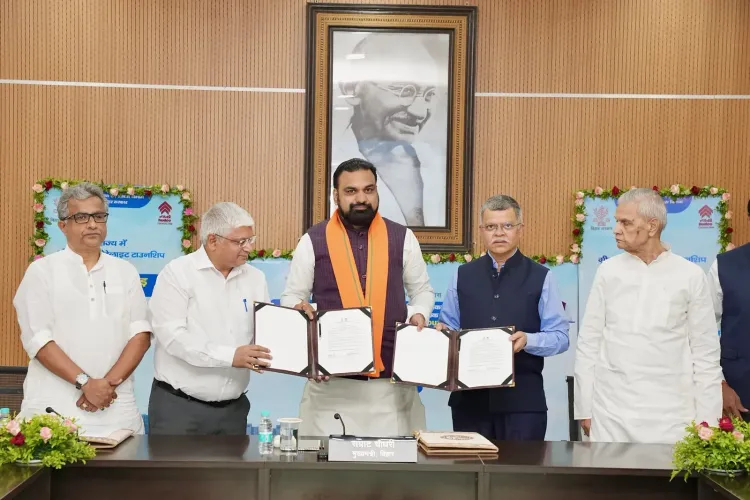
Bihar CM Samrat Choudhary presided over a ₹1 lakh crore MoU between the state's urban department and HUDCO on 3 July 2026 to build 12 greenfield satellite townships with world-class roads, water, sewerage, green zones, schools and hospitals across Bihar.
Key Takeaways
Bihar and HUDCO signed an MoU for ₹1 lakh crore in long-term financing on 3 July 2026 .
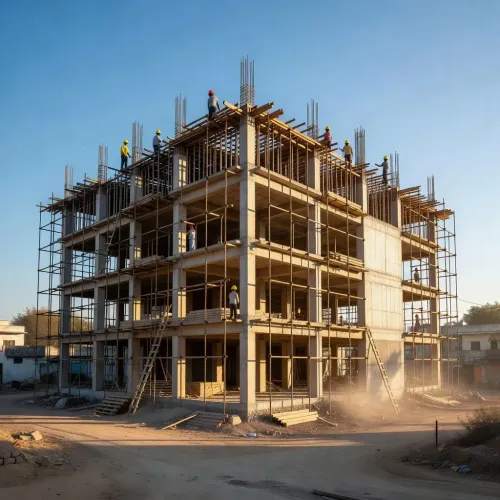
The agreement covers the development of 12 greenfield satellite townships across the state.
Each township will include modern roads, water supply, sewerage, green spaces, education and health infrastructure.
The initiative aims to generate new employment and attract fresh investment to Bihar .
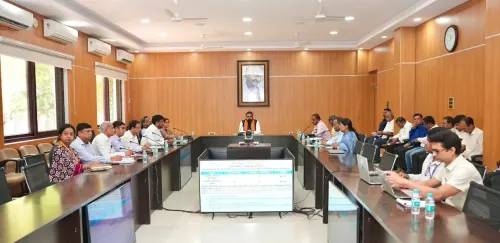
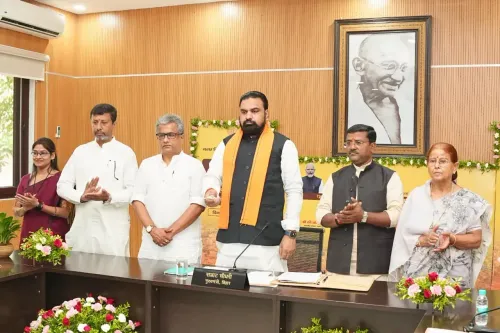
The MoU was signed at Lok Sevak Awas , Patna, in the presence of CM Samrat Choudhary .
The project aligns with national urban missions including AMRUT , Smart Cities Mission and PM Awas Yojana (Urban) .
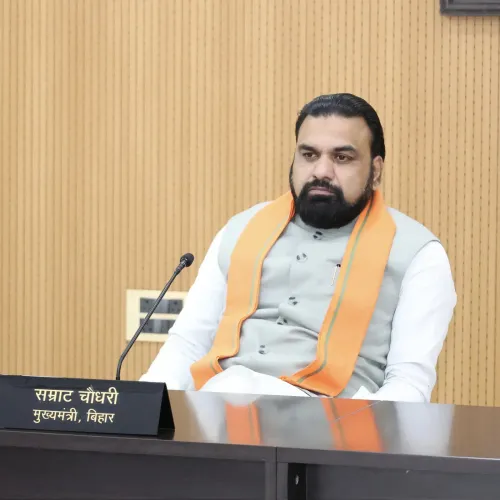
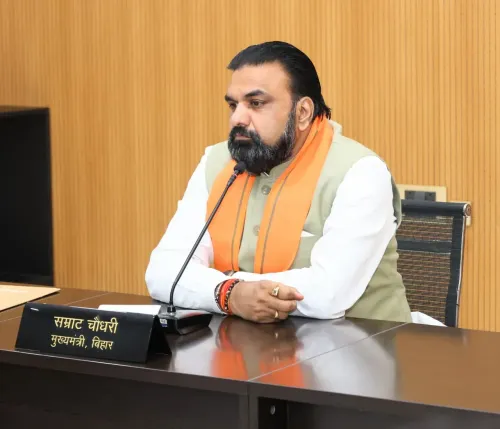
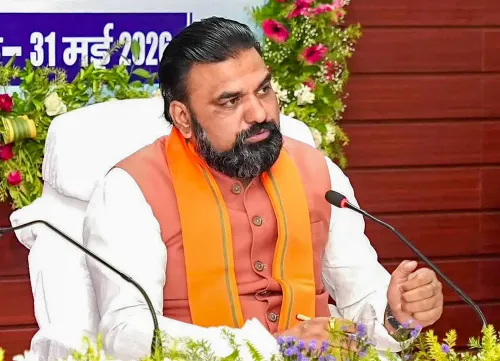
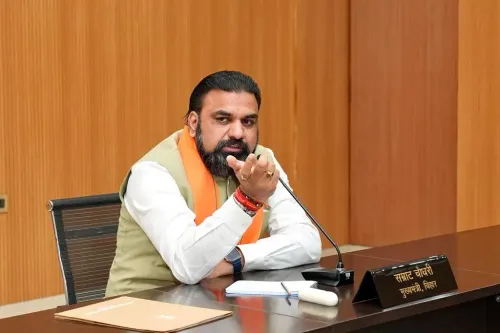
Bihar Chief Minister Samrat Choudhary on Friday, 3 July 2026 presided over the signing of a landmark Memorandum of Understanding between the state's Nagar Vikas evam Awas Vibhag (Urban Development and Housing Department) and HUDCO (Housing and Urban Development Corporation), committing ₹1 lakh crore in long-term financing for the development of 12 greenfield satellite townships across Bihar. The signing ceremony took place at Lok Sevak Awas, the Chief Minister's official residence in Patna.
Context
Announcing the deal on X, CM Choudhary said the initiative would develop modern satellite townships equipped with 'अत्याधुनिक आधारभूत संरचना' ('state-of-the-art infrastructure'), better residential facilities and new employment opportunities. He added that the townships would feature world-class urban infrastructure including modern roads, water supply, sewerage, green zones, education and health facilities. The Chief Minister described the MoU as a step toward building a 'modern Bihar' aligned with future needs, under the broader vision of 'समृद्ध बिहार, विकसित भारत' ('Prosperous Bihar, Developed India').
Policy Backdrop
HUDCO, a central public sector undertaking, is mandated to provide long-term financing for housing and urban infrastructure projects nationwide, making it a natural partner for state-level greenfield ventures of this scale. Bihar's move fits within a broader national policy arc: the Smart Cities Mission (launched 2015), the Atal Mission for Rejuvenation and Urban Transformation (AMRUT) and the Pradhan Mantri Awas Yojana (Urban) collectively laid the framework for satellite township planning, integrated infrastructure and affordable housing across Indian states. Eastern states, including Bihar, have accelerated urban investment in recent years to capture shifts in industrial and service-sector activity away from saturated metro centres.
Indian states have increasingly partnered with HUDCO and other financial institutions to finance greenfield satellite townships as a tool of planned urbanisation, decongesting existing city cores while creating new economic nodes. The ₹1 lakh crore facility announced by Bihar is among the larger single-state commitments in this category, signalling the government's intent to pursue large-scale, coordinated urban expansion rather than incremental piecemeal development.
Stakeholders and Impact
Urban residents in and around Bihar's existing cities stand to benefit from reduced congestion and improved civic services as population and economic activity are distributed across 12 new townships. Infrastructure developers, construction firms and the local workforce are expected to see significant employment generation during both the construction and operational phases of the project. The initiative is also positioned to attract private investment by providing planned, serviced land with world-class connectivity — a key incentive for industrial and commercial enterprises.
The MoU's emphasis on roads, water supply, sewerage, green spaces, schools and hospitals signals a comprehensive township model rather than purely residential colonies, which could make these nodes self-sustaining economic clusters over time.
What's Next
The immediate milestones to watch will be the tendering processes for each of the 12 townships, land acquisition timelines and the detailed disbursement schedule for the ₹1 lakh crore facility. Integration with national programmes such as AMRUT 2.0 or any extensions of the Smart Cities Mission could unlock additional central funding streams over the next 12 to 18 months. The pace at which Bihar's government moves from MoU to ground-breaking will determine whether this commitment translates into the balanced regional growth and employment generation that CM Choudhary has promised.
Point of View
And its scale suggests the Choudhary government is moving beyond incremental city upgrades toward a structural reshaping of the state's urban geography. By anchoring 12 greenfield townships to a central PSU's long-term capital, the state sidesteps some of the fiscal constraints that have historically slowed eastern-state infrastructure ambitions. Politically, the announcement reinforces the BJP's 'Viksit Bharat' narrative ahead of future electoral cycles, casting Bihar as a model of eastern India's urban transformation. The real test, however, will be execution: land acquisition, environmental clearances and contractor capacity have derailed comparable greenfield pledges in other states, and Bihar's track record on large project delivery will be closely scrutinised.
NationPress
3 Jul 2026
Frequently Asked Questions
What is the Bihar HUDCO MoU about?
The MoU signed on 3 July 2026 commits ₹1 lakh crore in long-term financing from HUDCO to Bihar's Nagar Vikas evam Awas Vibhag for developing 12 greenfield satellite townships with modern infrastructure across the state.
What is HUDCO and why is it involved in Bihar's townships?
HUDCO (Housing and Urban Development Corporation) is a central government public sector undertaking mandated to provide long-term financing for housing and urban infrastructure projects. It is a primary institutional partner for large state-level urban development programmes in India.
Where will the 12 satellite townships in Bihar be built?
The exact locations of the 12 greenfield satellite townships have not been officially confirmed yet. Details are expected to emerge during the tendering and land acquisition phases that follow the MoU signing.
What facilities will Bihar's new satellite townships have?
According to CM Samrat Choudhary's announcement, each township will include modern roads, water supply, sewerage systems, green zones, educational institutions, health facilities and other civic amenities, alongside residential and employment opportunities.
How does Bihar's satellite township plan connect to central government schemes?
The project aligns with national urban programmes including the Smart Cities Mission, AMRUT (Atal Mission for Rejuvenation and Urban Transformation) and Pradhan Mantri Awas Yojana (Urban), all of which support planned satellite township development and integrated infrastructure across Indian states.