CM Samrat Choudhary Echoes Modi on India's Solar, UPI, Startup Rise
Synopsis
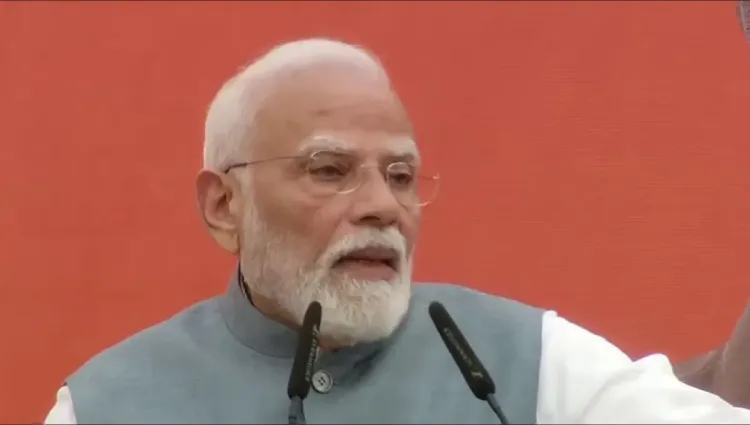
Bihar CM Samrat Choudhary amplified PM Modi's statement citing India's 50-fold solar capacity rise, world-leading UPI payment platform, and third-ranked startup ecosystem — linking these milestones to the Viksit Bharat 2047 vision.
Key Takeaways
Bihar Chief Minister Samrat Choudhary shared a quote from PM Narendra Modi on 12 November 2026 highlighting India's developmental milestones.
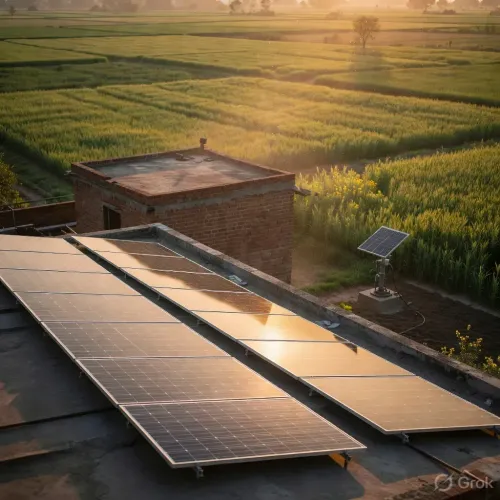
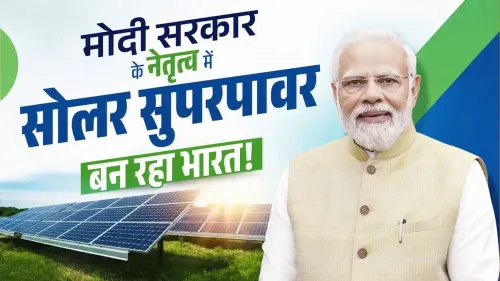
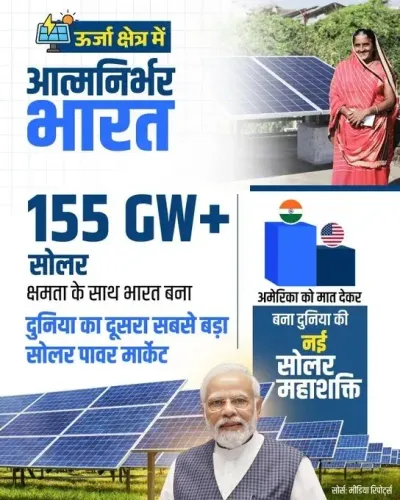
India's solar generation capacity has reportedly grown more than 50 times in 12 years , rooted in the scaled-up National Solar Mission post-2014.
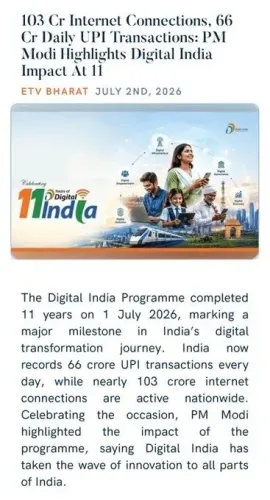
UPI , launched in 2016 by the National Payments Corporation of India, is cited as the world's largest real-time payment system.
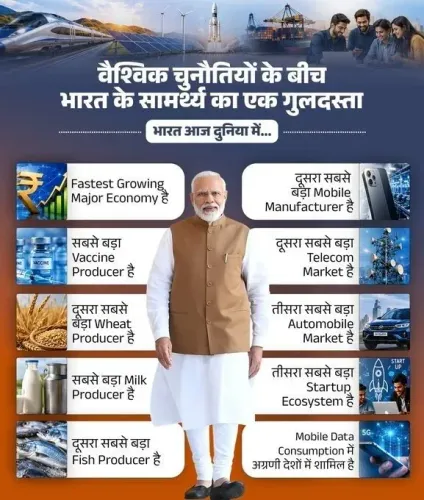
India has built what PM Modi calls the world's third-largest startup ecosystem in roughly a decade since the Startup India initiative of 2016 .
All three achievements are framed as evidence that the Viksit Bharat 2047 goal of developed-nation status is achievable.
Three numbers. Fifty times. Twelve years. One audacious national ambition. Bihar Chief Minister Samrat Choudhary on Thursday, 12 November 2026 shared a striking quote from Prime Minister Narendra Modi that frames India's transformation in renewable energy, digital payments and startup culture as proof that the Viksit Bharat (Developed India) dream is within reach.
Quoting PM Modi directly, CM Choudhary's post reads: 'Bharat ne sirf 12 saal mein apni solar generation capacity 50 gune se zyada badha di hai' — 'India has expanded its solar generation capacity more than 50 times in just 12 years.' The quote continues to highlight that India has built the world's third-largest startup ecosystem in the same period, and that UPI now operates as the world's largest real-time payment system.
From kilowatts to a solar superpower
The backbone of this claim is a policy arc stretching back to the Jawaharlal Nehru National Solar Mission, launched in 2010, whose capacity targets were dramatically scaled up after 2014 under the National Solar Mission revisions. What began as a modest programme has grown into one of the world's most ambitious renewable energy buildouts, with solar parks spanning Rajasthan, Gujarat, Tamil Nadu and beyond. The claim of a 50-fold capacity jump, while striking, is consistent with the broad trajectory of India's installed solar base over this period.
UPI and Startup India: a decade of digital scaffolding
Both UPI and the Startup India initiative were launched in 2016 as twin pillars of the Digital India programme, itself announced in 2015. UPI — developed by the National Payments Corporation of India — has since processed billions of transactions monthly and is now being linked to payment rails in multiple countries. The startup ecosystem claim of a global third-place ranking reflects a decade of regulatory easing, public funding and investor confidence that has seen Indian unicorns emerge across fintech, edtech, logistics and deeptech.
The Viksit Bharat thread tying it together
PM Modi's words, as amplified by CM Choudhary, explicitly connect these sectoral wins to a larger political and developmental vision: 'Jab hum itna kuch kar sakte hain, toh Viksit Bharat ka sapna bhi poora kar sakte hain' — 'If we can achieve all this, we can also fulfil the dream of a Developed India.' The Viksit Bharat 2047 framework — targeting developed-nation status by India's centenary of independence — is the governing narrative the BJP has placed at the centre of its second-decade policy agenda. For a Chief Minister from Bihar, one of India's states with the most ground still to cover on development indicators, the message carries both inspiration and political intent.
India's scorecard on solar, startups and digital payments is real. The question that will animate the next budget cycle is whether the allocation behind these milestones keeps pace with the ambition they are being asked to carry.
Point of View
UPI, and startup milestones, CM Samrat Choudhary is visibly aligning Bihar's political identity with the national BJP narrative ahead of potential budget and electoral cycles. The choice to highlight measurable, citizen-facing achievements — rather than broader macro figures — reflects a deliberate communication strategy that makes development feel tangible and personal. For Bihar, a state where infrastructure and income gaps remain wide, this messaging is as much aspirational signalling as it is governance record. The Viksit Bharat framing gives the Centre and state governments a shared language of ambition that can absorb both successes and shortfalls without breaking the narrative arc.
NationPress
12 Nov 2026
Frequently Asked Questions
What is the Viksit Bharat 2047 vision?
Viksit Bharat 2047 is the Indian government's framework to achieve developed-nation status by 2047, the centenary of India's independence. It encompasses goals across energy, digital infrastructure, economic growth and social development.
How much has India's solar capacity grown in 12 years?
PM Modi's statement, as shared by CM Samrat Choudhary, claims India's solar generation capacity has grown more than 50 times in 12 years. This growth is linked to the scaling up of the National Solar Mission after 2014.
Why is UPI called the world's largest real-time payment system?
UPI, developed by the National Payments Corporation of India and launched in 2016, processes billions of transactions monthly and has expanded internationally, making it the highest-volume real-time payment platform globally by transaction count.
When was Startup India launched?
Startup India was launched in 2016 as a government initiative to support innovation and entrepreneurship. India is now cited as home to the world's third-largest startup ecosystem.
Why did Bihar CM Samrat Choudhary share PM Modi's quote?
CM Choudhary shared the quote to highlight India's progress on solar energy, digital payments, and startups, reinforcing the BJP's development narrative and connecting Bihar's political identity with the broader Viksit Bharat national vision.