CM Samrat Choudhary Hails Modi Govt's 12-Year Infrastructure Push
Synopsis
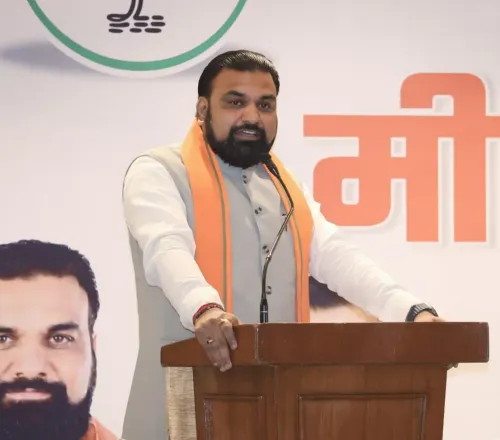
Bihar Chief Minister Samrat Choudhary on 27 June 2026 celebrated twelve years of Modi-led infrastructure development, citing Vande Bharat trains, expressways and tunnels as proof of 'trust, speed and possibilities' under the #12YearsOfNayaBharatNirman campaign.
Key Takeaways
Bihar Chief Minister Samrat Choudhary posted on 27 June 2026 praising PM Modi 's twelve-year infrastructure record under #12YearsOfNayaBharatNirman .
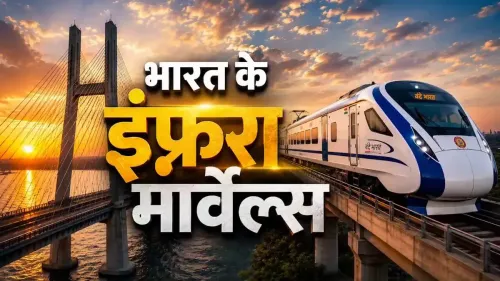
He described every bridge, tunnel, expressway and Vande Bharat train as proof of 'strong leadership, clear intent, and time-bound development.' The Vande Bharat Express was first launched in February 2019 and has since expanded to multiple national routes, including corridors serving eastern India.
Bharatmala Pariyojana , approved in 2015 , targets over 34,000 km of new national highways and expressways.
The PM Gati Shakti National Master Plan , launched in October 2021 , integrates multimodal infrastructure planning to cut logistics costs.
The post signals BJP's strategy of using state-level leaders to amplify central government development narratives ahead of future electoral cycles.
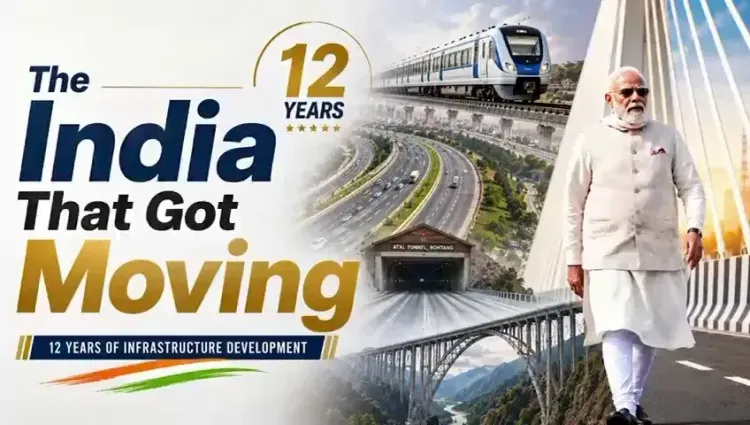
Bihar Chief Minister Samrat Choudhary on Saturday, 27 June 2026, took to X to celebrate what he described as a transformative era of infrastructure-led development under Prime Minister Narendra Modi, marking the occasion with the hashtag #12YearsOfNayaBharatNirman. The post praised the pace and scale of connectivity projects — from expressways and tunnels to the Vande Bharat Express — as emblematic of purposeful governance.
Context
Writing in Hindi, CM Choudhary declared: 'नया भारत आज केवल इंफ्रास्ट्रक्चर नहीं बना रहा, बल्कि विश्वास, गति और संभावनाओं का भविष्य गढ़ रहा है' — 'New India today is not merely building infrastructure, but shaping a future of trust, speed and possibilities.' He added that every bridge, tunnel, expressway and Vande Bharat train carries a single message: 'strong leadership, clear intent, and time-bound development.' The post was accompanied by a video, amplifying the visual dimension of the infrastructure narrative.
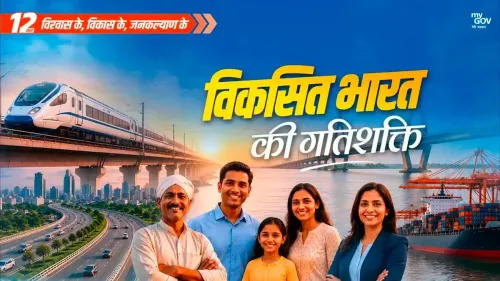
The #12YearsOfNayaBharatNirman hashtag situates the post within a broader BJP communication campaign marking twelve years since Prime Minister Modi assumed office in May 2014. CM Choudhary, as a senior BJP leader heading a state that has historically lagged in connectivity indices, lends a regional voice to what is primarily a central government achievement narrative.
Policy Backdrop
The infrastructure projects referenced by CM Choudhary span several flagship programmes. The Vande Bharat Express, India's first indigenously developed semi-high-speed train, was inaugurated in February 2019 on the Delhi–Varanasi route and has since been extended to multiple corridors across the country, including routes serving Bihar.
On the road connectivity front, the Bharatmala Pariyojana — approved by the Union Cabinet in 2015 — targets the construction of over 34,000 km of national highways and expressways, with a focus on economic corridors and border connectivity. Complementing this, the Pradhan Mantri Gati Shakti National Master Plan, launched in October 2021, integrates multimodal infrastructure planning to reduce logistics costs and eliminate project silos across ministries.
Stakeholders and Impact
The beneficiaries of this infrastructure drive are broad: rail passengers gain faster, more comfortable intercity connectivity through expanded Vande Bharat routes, while highway users and freight operators benefit from reduced travel times and lower logistics costs on new expressway corridors. For a state like Bihar, improved connectivity is directly linked to economic opportunity, migration patterns and agricultural supply chains.
The political dimension is equally significant. CM Choudhary's post reinforces the BJP's governance-delivery messaging ahead of any future electoral cycle, positioning infrastructure completion as a tangible proof point of the 'Naya Bharat' vision. The framing — linking physical projects to 'trust' and 'leadership' — reflects a deliberate effort to translate steel and concrete into political capital.
What's Next
Attention will now turn to whether the #12YearsOfNayaBharatNirman campaign translates into state-specific infrastructure announcements for Bihar, particularly in the context of the next Union Budget cycle. Further expansion of Vande Bharat routes in eastern India and the completion of pending expressway sections in the state are widely anticipated as the next milestones in this connectivity push.
As the central government continues to frame infrastructure investment as the cornerstone of its second-decade agenda, posts like CM Choudhary's signal that state-level leaders within the BJP are increasingly co-opting this narrative — making connectivity not just a policy priority, but a defining political identity for the alliance.
Point of View
Giving a regional anchor to what is essentially a national achievement campaign. By invoking Bihar — a state where connectivity deficits have historically been acute — he implicitly claims a share of the development dividend for his government. The 'Naya Bharat' framing, now entering its twelfth year, is maturing from aspiration into a retrospective accountability exercise, with physical projects serving as the primary evidence. This positions infrastructure not merely as governance but as the BJP's most durable electoral argument heading into future cycles.
NationPress
27 Jun 2026
Frequently Asked Questions
What did Bihar CM Samrat Choudhary say about infrastructure on 27 June 2026?
Bihar CM Samrat Choudhary posted on X that 'New India is not merely building infrastructure, but shaping a future of trust, speed and possibilities,' praising PM Modi's record on bridges, tunnels, expressways and Vande Bharat trains under the #12YearsOfNayaBharatNirman hashtag.
What is the #12YearsOfNayaBharatNirman campaign?
It is a BJP communication campaign marking twelve years since Narendra Modi became Prime Minister in May 2014, highlighting infrastructure and development achievements of the central government over that period.
What is the Vande Bharat Express and when was it launched?
The Vande Bharat Express is India's first indigenously developed semi-high-speed train, inaugurated in February 2019 on the Delhi–Varanasi route and subsequently expanded to multiple corridors across the country.
What is Bharatmala Pariyojana?
Bharatmala Pariyojana is a central government road and highway development programme approved in 2015, targeting the construction of over 34,000 km of national highways and expressways with a focus on economic corridors.
How does Bihar benefit from the central government's infrastructure push?
Bihar, historically underserved in connectivity, stands to gain from expanded Vande Bharat rail routes in eastern India and new expressway sections under Bharatmala, which are expected to reduce travel times, lower logistics costs and boost economic activity in the state.