CM Samrat Choudhary Reviews PPP Brownfield Medical Colleges for Bihar
Synopsis
Bihar Chief Minister Samrat Choudhary met with the state Health Department on October 16, 2026, to review the feasibility of setting up brownfield medical colleges under a PPP model — a move aimed at expanding the state's medical education capacity by upgrading existing healthcare facilities.
Key Takeaways
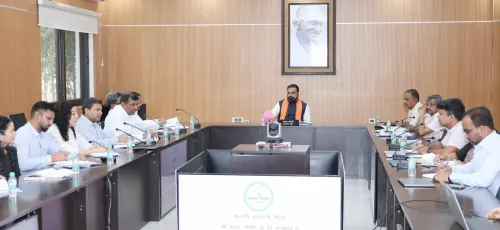
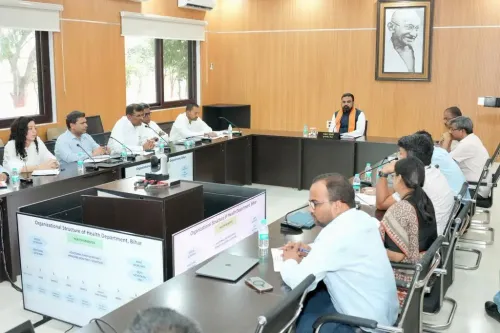
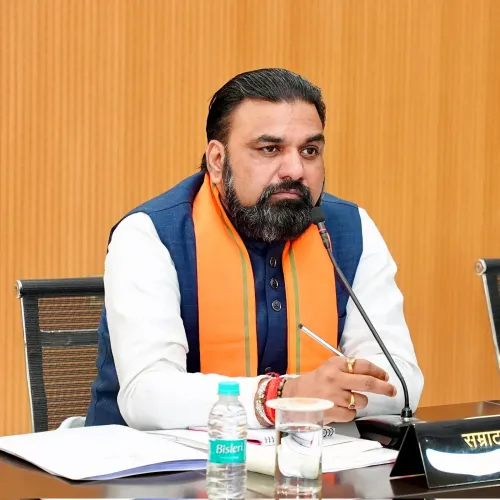
CM Samrat Choudhary chaired a review meeting with the Bihar Health Department on October 16, 2026 , at Sankalpа Sabhagar, Lok Sevak Avas .
The meeting examined establishing and operating brownfield medical colleges under a Public-Private Partnership (PPP) model .
Brownfield colleges upgrade existing hospital infrastructure rather than building new campuses, reducing cost and time.
Bihar's push aligns with a national trend following the National Medical Commission Act, 2019 , which eased creation of new medical institutions.
The initiative is framed under the #SamridhBihar and #ViksitBharat development goals.
Specific site selections, partner decisions or tender details have not yet been announced.
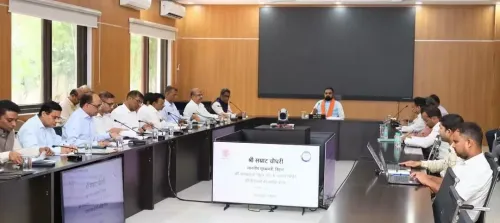
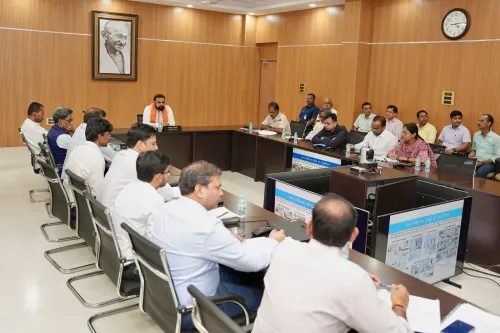
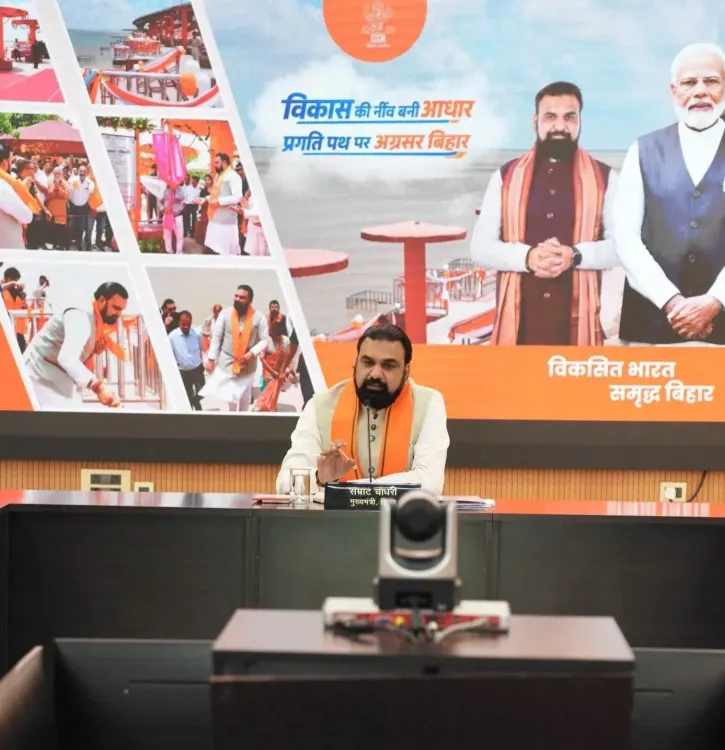
Bihar's healthcare ambitions took a concrete step forward on Friday, October 16, 2026, when Bihar Chief Minister Samrat Choudhary chaired a high-level review meeting with the state Health Department at Sankalpा Sabhagar, Lok Sevak Avas — examining the feasibility of establishing and operating brownfield medical colleges under a Public-Private Partnership (PPP) model.
What brownfield means — and why it matters for Bihar
Unlike greenfield projects that start from scratch, brownfield medical colleges are built by upgrading or repurposing existing hospitals and healthcare facilities — a faster, cheaper route to adding medical seats. For a state like Bihar, which has long grappled with a shortage of doctors relative to its population, the model offers a pragmatic shortcut: infrastructure already exists; the question is who funds the upgrade and runs the college.
That is precisely where the PPP framework enters. By inviting private operators to co-invest in state-owned or district hospital assets, the government can expand medical education capacity without bearing the full capital burden. Several Indian states have piloted similar arrangements following the National Medical Commission Act, 2019, which introduced regulatory reforms aimed at easing the creation of new medical institutions and addressing chronic doctor shortages.
The meeting at Lok Sevak Avas
Choudhary's review at the Sankalpа Sabhagar — a designated deliberation hall at the Chief Minister's official residence — signals that the brownfield PPP idea has moved beyond early-stage discussion into active policy scoping. The CM posted directly from the meeting, tagging the exercise under #SamridhBihar ('prosperous Bihar') and #ViksitBharat ('developed India'), situating the initiative within both the state's development narrative and the national vision.
The Bihar Health Department is the nodal body responsible for medical education and public health infrastructure planning in the state. Its involvement in this review suggests that site identification, regulatory alignment and partnership structure are likely among the questions on the table — though specific decisions or outcomes from the meeting have not been officially confirmed.
A growing trend Bihar wants to catch up with
Across India, states have increasingly leaned on PPP structures to scale medical education at pace. The demand side is stark: India's doctor-to-population ratio remains below the World Health Organization benchmark, and Bihar — one of the country's most populous states — faces an acute version of that gap. Brownfield conversions of district hospitals into teaching colleges have been explored or executed in states including Uttar Pradesh and Rajasthan, offering a template Bihar could adapt.
What to watch next: any announcement on shortlisted sites, expression-of-interest notices to private healthcare providers, or formal tender processes will indicate how quickly this review translates into ground-level action.
If Bihar follows through, a new cohort of medical students could eventually train at facilities that today serve only as district hospitals — turning a capacity gap into a two-in-one solution for both healthcare delivery and medical education.
Point of View
This mirrors a broader NDA-era push to frame healthcare infrastructure as an economic development lever rather than a pure welfare spend. The real test will be whether the review converts into tangible tenders, because several Indian states have announced similar frameworks that stalled at the partnership-structuring stage.
NationPress
16 Oct 2026
Frequently Asked Questions
What is a brownfield medical college?
A brownfield medical college is established by upgrading or repurposing an existing hospital or healthcare facility, rather than building a new campus from the ground up — making it faster and less expensive to create new medical education seats.
What is the PPP model in healthcare?
A Public-Private Partnership (PPP) model in healthcare involves the government and private operators jointly funding and managing healthcare or medical education infrastructure, sharing costs, risks and responsibilities.
Why is Bihar looking at PPP-based medical colleges?
Bihar faces a significant shortage of doctors relative to its large population. Using PPP brownfield conversions allows the state to expand medical education capacity faster and at lower direct cost than fully government-funded new institutions.
What did CM Samrat Choudhary do at the health department review meeting?
On October 16, 2026, CM Samrat Choudhary reviewed the possibilities of establishing and operating brownfield medical colleges under the PPP model, meeting with Bihar Health Department officials at Sankalpа Sabhagar, Lok Sevak Avas in Patna.
What is the National Medical Commission Act 2019 and how does it relate?
The National Medical Commission Act, 2019 reformed India's medical education regulation, making it easier to set up new medical colleges and increase doctor training seats — providing the regulatory framework within which states like Bihar are now exploring PPP brownfield models.