CM Samrat Choudhary Hails India's 7.7% GDP Growth in FY26
Synopsis
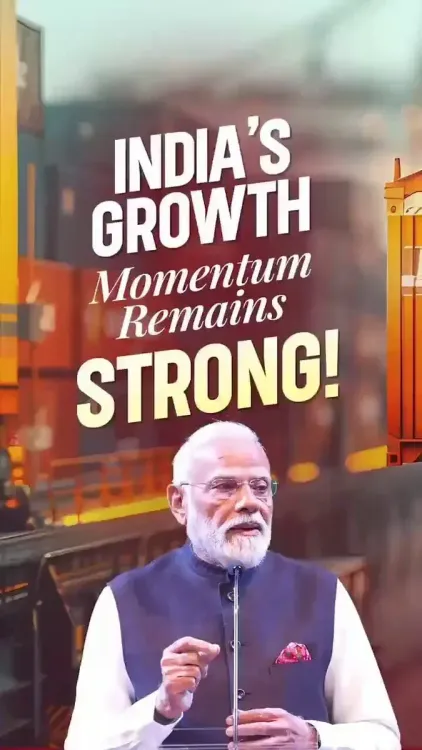
Bihar Chief Minister Samrat Choudhary praised PM Modi's leadership on June 7, 2026, citing India's 7.7% annual GDP growth in FY2025-26 and 7.8% growth in Q4 as proof of a strong economy and progress toward the Viksit Bharat 2047 goal.
Key Takeaways
Bihar CM Samrat Choudhary posted on X on June 7, 2026 welcoming India's GDP growth figures.
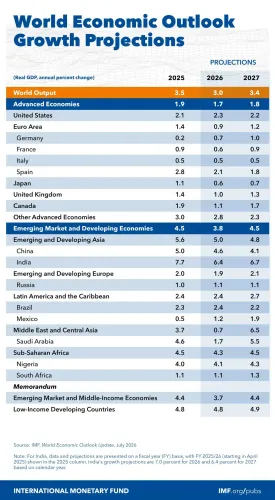
India recorded a 7.7% annual GDP growth rate in FY 2025-26 and 7.8% growth in the fourth quarter.
Choudhary attributed the performance to PM Narendra Modi 's policies and the efforts of 140 crore Indians .
The achievement was linked to the Viksit Bharat vision of making India a developed nation by 2047 .
Structural reforms including Make in India (2014) and GST (2017) underpin India's sustained high-growth trajectory.
Upcoming Union Budget 2026-27 and quarterly GDP data will test whether the momentum is maintained.
Bihar Chief Minister Samrat Choudhary on Sunday, June 7, 2026, credited Prime Minister Narendra Modi's leadership and the collective effort of 140 crore Indians for India recording a 7.7% annual GDP growth rate in financial year 2025-26 and an impressive 7.8% growth in the fourth quarter of the same year.
Context
Choudhary posted on X in Hindi, writing: 'सशक्त भारत, मजबूत अर्थव्यवस्था!' ('A strong India, a robust economy!'). He attributed the achievement to Modi's 'visionary leadership, effective policies, and the tireless hard work of 140 crore fellow citizens.' The post frames the GDP numbers as a collective national milestone rather than a purely governmental one.
The Chief Minister added that this achievement 'provides new energy to the resolve of Viksit Bharat' — the government's long-term vision to make India a developed nation by 2047 — and stands as proof of India's rising strength in the global economy.
Policy Backdrop
India's sustained high growth trajectory has been built on a series of structural reforms over the past decade. The Make in India initiative, launched in 2014, aimed to accelerate domestic manufacturing and broaden the GDP base. The nationwide rollout of the Goods and Services Tax (GST) in 2017 unified India's indirect tax architecture, improving ease of doing business and economic efficiency.
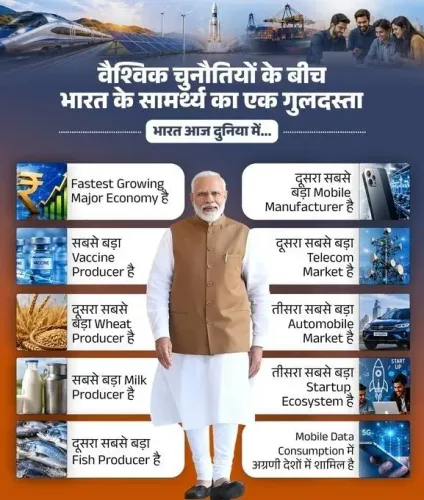
These reforms, alongside continued infrastructure investment and digital public goods expansion, have positioned India as one of the fastest-growing major economies globally. The Viksit Bharat framework ties such quarterly and annual growth milestones to the longer-term goal of achieving developed-nation status by India's centenary of independence.
Stakeholders and Impact
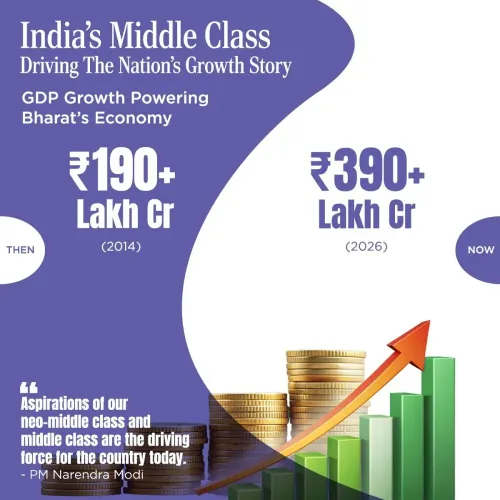
Indian businesses and investors are likely to view the 7.7% full-year growth figure as a signal of macroeconomic stability, supporting sentiment in capital markets and encouraging both domestic and foreign investment. For the Indian workforce, sustained GDP expansion at this pace is broadly associated with employment generation and income growth across sectors.
Choudhary's statement also carries a political dimension: BJP-governed states have consistently amplified central government economic data as evidence of policy continuity, reinforcing the party's national narrative ahead of future electoral cycles. As Bihar's Chief Minister and a senior BJP leader, his endorsement connects state-level political messaging to the central government's economic record.
What's Next
Attention will now turn to whether India can sustain this growth momentum through the remainder of 2026-27 amid global economic headwinds, including volatile commodity prices and uncertain external demand. The Union Budget 2026-27 and subsequent quarterly GDP releases will be closely watched by economists and policymakers as key indicators of trajectory.
If the growth rate holds above 7%, it would further cement India's position as the world's fastest-growing large economy and lend additional credibility to the Viksit Bharat 2047 roadmap that leaders like Choudhary are actively championing at the state level.
Point of View
Where state leaders reinforce the central government's economic narrative to build a unified political brand around growth. By invoking both the quarterly number and the Viksit Bharat 2047 horizon in a single post, the messaging bridges immediate data points with a long-cycle national aspiration — a frame that is difficult for the opposition to contest without appearing to dispute the GDP figures themselves. The 7.7% full-year figure, if sustained, would also strengthen the Centre's hand in pre-budget discourse and international forums. For Bihar specifically, aligning with a strong national growth story helps Choudhary project administrative credibility in a state historically associated with developmental deficits.
NationPress
19 Sept 2026
Frequently Asked Questions
What GDP growth rate did India record in FY 2025-26?
India recorded a 7.7% annual GDP growth rate in financial year 2025-26 , with the fourth quarter clocking an even higher 7.8% growth, according to Bihar CM Samrat Choudhary's post on June 7, 2026.
What is Viksit Bharat and how does it relate to India's GDP growth?
Viksit Bharat is India's long-term national goal to become a developed economy by 2047 , the centenary of independence. High GDP growth figures like the recent 7.7% are cited by the government as milestones on the path to achieving that target.
Why did Bihar CM Samrat Choudhary comment on India's GDP?
As a senior BJP leader and Bihar Chief Minister , Choudhary used the platform to credit PM Narendra Modi 's policies for the growth figures, consistent with the party's practice of state leaders amplifying central government economic achievements.
What reforms are behind India's high GDP growth?
Key structural reforms include the Make in India initiative launched in 2014 to boost manufacturing, and the rollout of the Goods and Services Tax (GST) in 2017 to unify India's indirect tax system and improve business efficiency.
What will determine if India sustains this GDP growth?
Economists will watch the Union Budget 2026-27 and subsequent quarterly GDP releases to assess whether India can maintain growth above 7% amid global headwinds such as volatile commodity prices and uncertain external demand.