CM Conrad Sangma Inaugurates ECD Workshop in Shillong
Synopsis
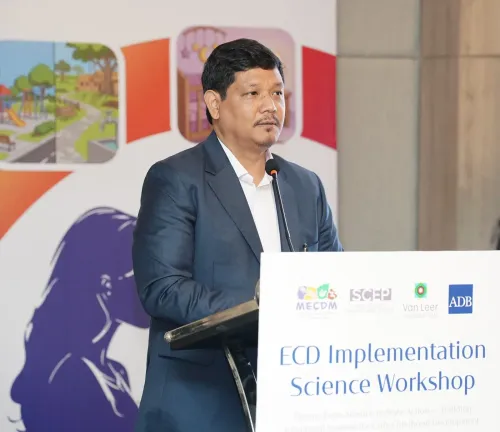
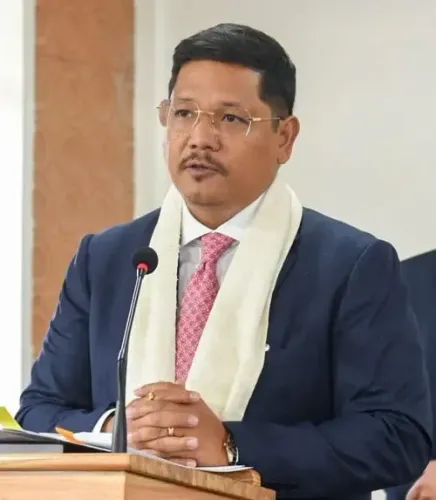
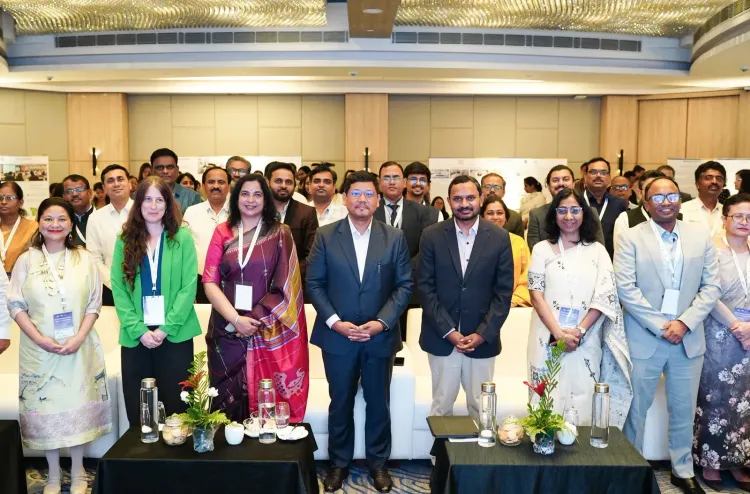
Meghalaya Chief Minister Conrad Sangma inaugurated the ECD Implementation Science Workshop in Shillong on June 1, 2026, calling for cross-sectoral convergence across health, nutrition, education, and economic empowerment to give every child in Meghalaya the best possible start in life.
Key Takeaways
Conrad Sangma inaugurated the ECD Implementation Science Workshop in Shillong on June 1, 2026 .
The workshop brought together experts, policymakers, and partners from health, nutrition, education, and welfare sectors.
Sangma emphasised that early childhood development is a cross-departmental responsibility, not siloed to any single ministry.
The event was coordinated with the Ministry of Women and Child Development at the central level.
The workshop is expected to inform a state-level ECD action plan for Meghalaya and may serve as a model for other northeastern states.
India's ECD policy lineage includes the ICDS (1975) , the National ECCE Policy (2013) , and the ongoing POSHAN Abhiyaan .
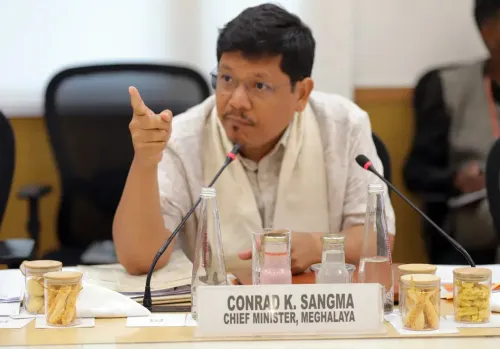
Meghalaya Chief Minister Conrad Sangma on Monday, June 1, 2026, inaugurated the ECD Implementation Science Workshop in Shillong, bringing together experts, policymakers, and development partners to sharpen the state's approach to early childhood development across health, nutrition, education, and family welfare.
Context
Announcing the inauguration on X, Conrad Sangma described early childhood development as a cross-cutting priority, stating that it is 'not one department's responsibility' but rather a convergence of 'health, nutrition, education, care, and economic empowerment all coming together to give every child the best possible start in life.' The workshop, held in the state capital, drew participants from multiple sectors and included representatives linked to the Ministry of Women and Child Development.
Sangma framed the event not merely as a policy exercise but as a commitment to tangible outcomes — ensuring 'every child gets the right start, every mother feels supported, and every family has hope for a better future.' The Chief Minister also tagged @MinistryWCD, signalling central government coordination in the initiative.
Policy Backdrop
India's early childhood development architecture has deep roots. The Integrated Child Development Services (ICDS), launched in 1975, remains the country's flagship programme linking nutrition, health, and pre-school education for children under six. The National Early Childhood Care and Education Policy of 2013 further institutionalised a multi-sectoral, integrated approach to the first years of life.
More recently, POSHAN Abhiyaan — the national nutrition mission — has pushed states to adopt convergent delivery frameworks that cut across departments. Northeastern states, including Meghalaya, have increasingly hosted implementation-science workshops designed to contextualise national guidelines to local demographic and geographic realities. The emphasis on 'real outcomes' rather than departmental silos echoes this broader national shift.
Stakeholders and Impact
The workshop's primary beneficiaries are Meghalaya's youngest children and their families, particularly mothers who are central to early nutrition and care decisions. Implementation-science workshops of this kind typically result in state-level action plans that translate policy intent into measurable field-level protocols for frontline workers such as ASHA workers, anganwadi workers, and auxiliary nurse midwives.
By convening experts and policymakers together, the workshop also aims to close the gap between programme design and on-ground delivery — a persistent challenge in hilly, geographically dispersed states like Meghalaya. Sangma's reference to 'economic empowerment' alongside health and nutrition suggests the state is looking at household-level income support as part of its integrated ECD model.
What's Next
The workshop is expected to feed into a state-level ECD action plan for Meghalaya, with potential replication of the implementation-science format in other northeastern states that face similar challenges in last-mile delivery. Sustained political attention from a Chief Minister who also heads the National People's Party (NPP) — a constituent of the National Democratic Alliance — could accelerate convergence between state budgets and centrally sponsored schemes. If the outcomes framework developed in Shillong gains traction, it may serve as a model for other small states navigating multi-departmental ECD delivery.
Point of View
Nutrition, education, and economic empowerment mirrors the Centre's POSHAN Abhiyaan logic, suggesting the state is aligning its delivery architecture with centrally sponsored scheme incentives. For an NDA-allied regional party like the NPP, demonstrating outcomes-focused governance in the social sector also serves a dual purpose: strengthening the state's case for enhanced central allocations while building a grassroots welfare narrative ahead of future electoral cycles. Whether this workshop translates into measurable improvements in child nutrition and development indicators in Meghalaya will be the real test of the political commitment on display.
NationPress
15 Oct 2026
Frequently Asked Questions
What is the ECD Implementation Science Workshop inaugurated by Conrad Sangma?
The ECD Implementation Science Workshop is a multi-stakeholder event held in Shillong on June 1, 2026, convening experts, policymakers, and development partners to strengthen Meghalaya's approach to early childhood development across health, nutrition, education, and family welfare.
What is Conrad Sangma's role in Meghalaya?
Conrad Sangma is the Chief Minister of Meghalaya and the national president of the National People's Party (NPP), which is an ally of the National Democratic Alliance (NDA) at the Centre.
What is India's policy framework for early childhood development?
India's ECD framework includes the Integrated Child Development Services (ICDS) launched in 1975, the National Early Childhood Care and Education Policy of 2013, and the POSHAN Abhiyaan nutrition mission, all of which promote integrated, multi-sectoral support for children under six.
Why is early childhood development important for Meghalaya?
Meghalaya's hilly terrain and dispersed population make last-mile delivery of health and nutrition services challenging. Workshops like the ECD Implementation Science Workshop aim to translate national policy into locally relevant action plans for frontline workers.
What is POSHAN Abhiyaan and how does it relate to this workshop?
POSHAN Abhiyaan is India's national nutrition mission that encourages states to adopt convergent delivery frameworks across departments. The Shillong workshop reflects this approach by bringing together stakeholders from multiple sectors to improve ECD outcomes in Meghalaya.