CM Sawant: 8,000 Women Trained Under Goa Handicrafts Dept
Synopsis
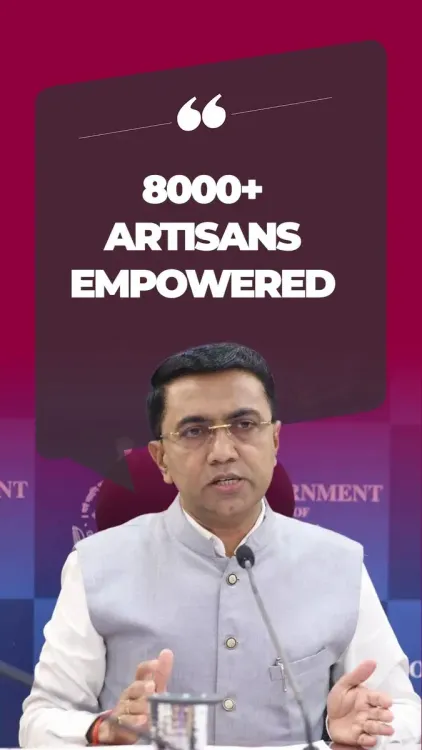
Goa Chief Minister Pramod Sawant announced that more than 8,000 women have been trained through the Department of Handicrafts, Textile and Coir, advancing the state's Swayampurna Goa self-reliance vision. The initiative targets women artisans and rural self-help groups with craft-sector skills.
Key Takeaways
Goa CM Pramod Sawant announced that more than 8,000 women have received skill training under the Department of Handicrafts, Textile and Coir .
The training is positioned as a pillar of Swayampurna Goa , the state government's framework for local economic self-reliance.
Beneficiaries include women artisans and rural self-help groups across Goa .
The BJP-led government has expanded craft-sector skill programs for women since taking office in 2019 .
Handicrafts and coir training are designed to enable micro-enterprise income independent of seasonal employment.
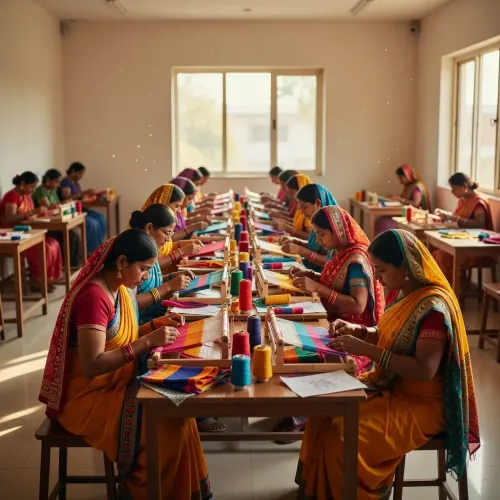
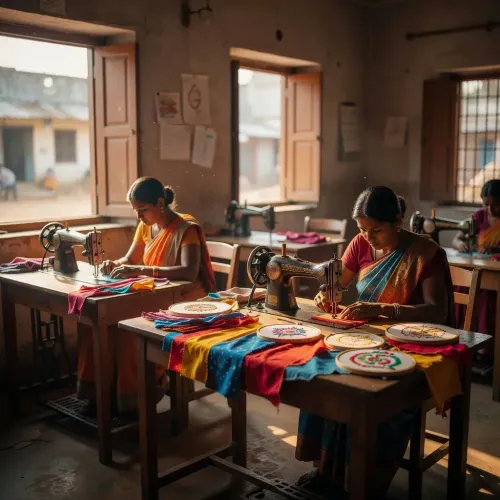
Skill by skill, stitch by stitch — Goa Chief Minister Pramod Sawant says the state has trained more than 8,000 women through the Department of Handicrafts, Textile and Coir, turning traditional craft knowledge into a ladder toward economic independence.
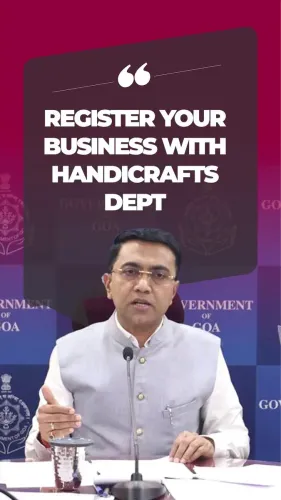
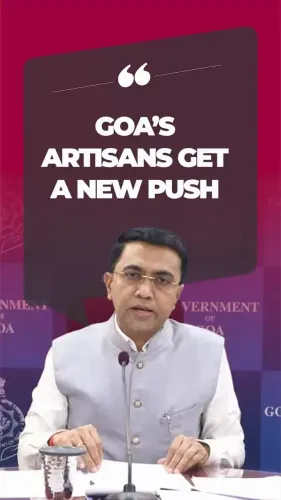
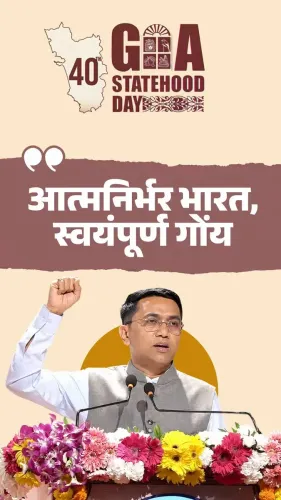
Sawant shared the milestone on Saturday, 8 August 2026, framing it as a concrete expression of Swayampurna Goa — the state government's overarching vision for local self-reliance. 'Through various training initiatives under the Department of Handicrafts, Textile and Coir, we have empowered more than 8,000 Nari Shakti in Goa, equipping them with skills and opportunities to become self-reliant and contribute to the vision of Swayampurna Goa,' he wrote.
What the Handicrafts Department's training push looks like
The Department of Handicrafts, Textile and Coir sits at the intersection of Goa's cultural heritage and its economic ambitions. Since the BJP-led government took office in 2019, the department has expanded skill-development programs targeting women artisans and rural self-help groups — communities that have historically relied on seasonal tourism income or informal work.
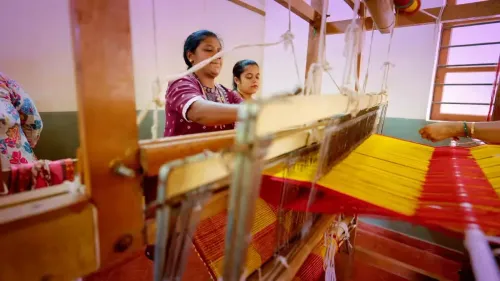
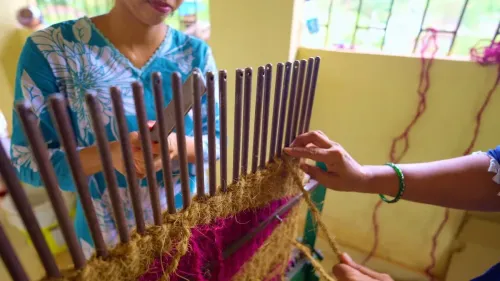
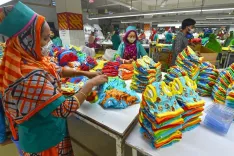
Training in handicrafts and coir weaving offers a different proposition: portable, home-compatible skills that translate into micro-enterprise income. That is the practical engine behind the Nari Shakti framing — not just a rhetorical flourish, but a policy bet that craft-sector competency can substitute for wage dependency.
Swayampurna Goa and the self-reliance blueprint
Swayampurna Goa is the state's programmatic framework for reducing dependence on external employment and imports — building economic resilience from within Goa's villages and households. Women's vocational training in traditional sectors is one of its load-bearing pillars, mirroring a wider pattern seen across Indian states that have linked skill programs for women to measurable participation in local economies.
The 8,000-plus beneficiary figure, as cited by the Chief Minister, represents the cumulative reach of these training batches. Whether that number translates into sustained livelihoods — and how the state plans to scale or certify outcomes — will be the real test as budget cycles ahead determine the department's next phase.
Point of View
Where tourism volatility has long exposed the fragility of informal livelihoods, anchoring women's income in craft skills carries genuine policy logic beyond optics. The Swayampurna Goa framework gives these dispersed training batches a unifying narrative, which also serves an electoral purpose ahead of future state cycles. The harder question — whether training converts to sustained income — remains the accountability gap the government has yet to publicly address with outcome data.
NationPress
8 Aug 2026
Frequently Asked Questions
What is Swayampurna Goa?
Swayampurna Goa is a state government program framework aimed at making Goa self-reliant by boosting local economic activity, reducing dependence on external employment, and empowering communities through skill development and enterprise support.
How many women has Goa trained under the Handicrafts Department?
Goa Chief Minister Pramod Sawant stated that more than 8,000 women have been trained through initiatives under the Department of Handicrafts, Textile and Coir as part of the Swayampurna Goa vision.
What does the Department of Handicrafts, Textile and Coir do in Goa?
The department promotes and provides skill training in traditional craft sectors including handicrafts, textiles, and coir weaving. It runs training programs targeting women artisans and rural self-help groups to build livelihood skills.
What is Nari Shakti in the context of Goa's government programs?
Nari Shakti, meaning 'women's power,' is used by the Goa government to refer to women beneficiaries of skill and empowerment programs. In this context it describes the 8,000-plus women trained under craft-sector initiatives.
When did Goa expand its women's craft training programs?
Goa's skill development and women-focused craft training programs were expanded after 2019, following the BJP-led government's return to office under Chief Minister Pramod Sawant.