CM Sawant Hails Modi's DBT Drive on 12 Years of Garib Kalyan
Synopsis
Goa Chief Minister Pramod Sawant marked the #12YearsOfGaribKalyan milestone on 8 June 2026 by crediting PM Narendra Modi's Direct Benefit Transfer architecture with eliminating leakages and empowering crores of welfare beneficiaries through digital governance across financial inclusion, healthcare, subsidies and pensions.
Key Takeaways
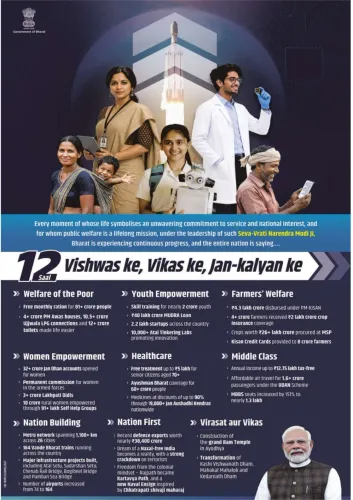
Goa CM Pramod Sawant posted on 8 June 2026 praising PM Narendra Modi 's welfare delivery model under #12YearsOfGaribKalyan .
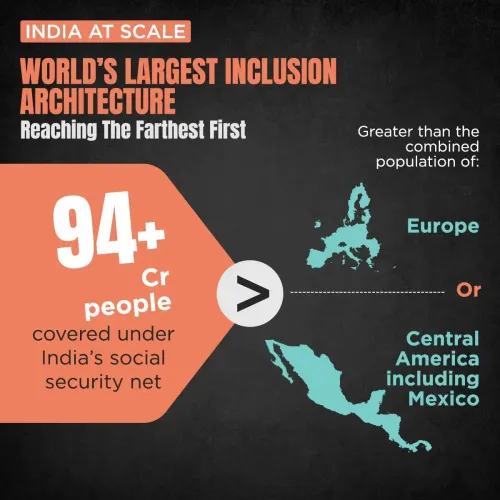
The Direct Benefit Transfer framework routes subsidies, pensions and welfare payments directly into beneficiaries' bank accounts, cutting out intermediaries.
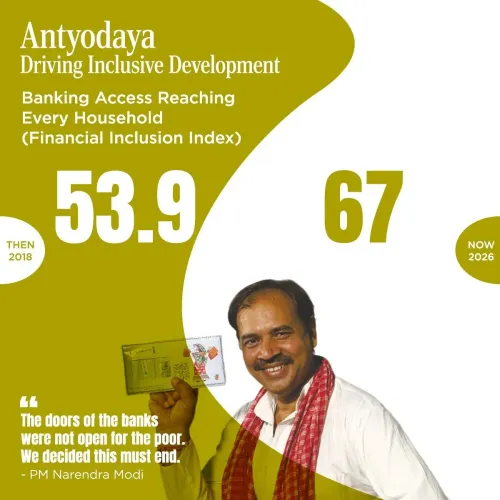
The DBT architecture was built on the Pradhan Mantri Jan Dhan Yojana , launched on 28 August 2014 , which banked previously unbanked citizens.
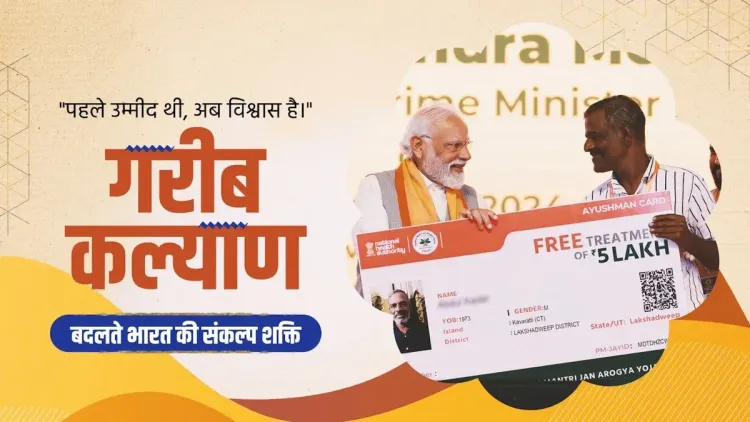
Ayushman Bharat (2018) and multiple subsidy programmes for food, fuel and fertiliser were subsequently integrated into the same digital infrastructure.
Goa administers its own social security pensions and welfare schemes through the central DBT portal, making it a direct participant in the framework Sawant endorsed.
The campaign signals welfare delivery will be a key BJP talking point ahead of the next electoral cycle, with further scheme integrations expected.
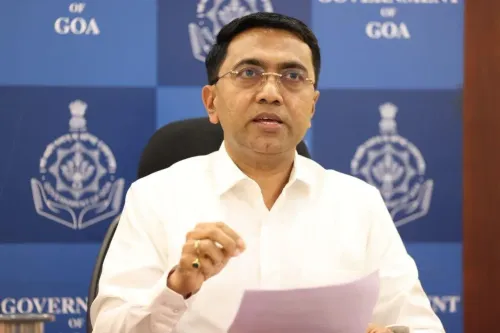
Goa Chief Minister Pramod Sawant on Monday, 8 June 2026 credited Prime Minister Narendra Modi's decade-long push for digital governance with transforming welfare delivery in India, saying Direct Benefit Transfer mechanisms have brought social security benefits directly to crores of citizens with greater speed, transparency and efficiency.
Context
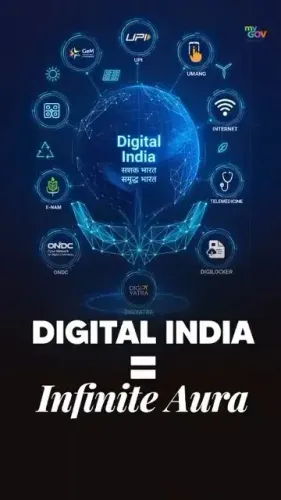
Sawant's post was timed to the #12YearsOfGaribKalyan campaign marking twelve years of the Modi government's welfare architecture. The Chief Minister described the shift as a 'silent revolution,' arguing that technology-driven governance has eliminated leakages and reduced dependence on intermediaries across schemes spanning financial inclusion, healthcare, subsidies, pensions and welfare assistance.
In his words, 'digital platforms and Direct Benefit Transfer mechanisms have ensured that social security benefits reach citizens directly with greater speed, transparency and efficiency.' The statement reflects a coordinated BJP narrative on the anniversary of the party's welfare programmes at both the central and state levels.
Policy Backdrop
The Direct Benefit Transfer framework was piloted in select districts as early as 2013 before a nationwide rollout that gathered pace after 2014. The architecture was anchored by the Pradhan Mantri Jan Dhan Yojana, launched on 28 August 2014, which opened bank accounts for previously unbanked citizens and created the financial plumbing for direct transfers.
Subsequent programmes deepened the same infrastructure. Ayushman Bharat, announced in 2018, extended health insurance coverage through the same digital rails. Over the following years, food, fuel, fertiliser, pensions and cash assistance were progressively routed through the DBT portal, with Aadhaar-seeding of bank accounts serving as the verification layer.
Goa, like other states, has integrated central DBT portals into its own social security delivery, making the state administration a direct stakeholder in the national welfare infrastructure Sawant is praising.
Stakeholders and Impact
The primary beneficiaries of the DBT architecture are low-income households and welfare recipients who previously navigated multiple intermediaries to access entitlements. By routing payments into bank accounts, the system is designed to reduce diversion and ensure timely credit of benefits ranging from cooking-gas subsidies to old-age pensions.
For state governments, the shift has meant greater accountability in programme delivery, since transaction records are digitally traceable. Goa's own social security programmes — including pensions for senior citizens, differently abled persons and widows — are administered through the same central DBT framework, giving Sawant's government a direct operational stake in the architecture he is endorsing.
What's Next
The BJP's #12YearsOfGaribKalyan campaign signals that welfare delivery will remain a central political talking point heading into the next electoral cycle. Analysts and administrators are watching for further state-level integration of additional schemes into central DBT portals and any new welfare modules that may be announced in the next Union Budget.
The broader question is whether the digital welfare infrastructure will be extended to cover new categories of beneficiaries or new entitlement types, and how states like Goa will align their own flagship schemes with an evolving central framework.
Point of View
The party positions itself as having solved a structural problem — leakage through intermediaries — that predates the Modi era and was associated with the previous dispensation. For a small state like Goa, aligning with the central welfare narrative also reinforces the state government's legitimacy as a capable delivery partner. The timing on the #12YearsOfGaribKalyan anniversary suggests the BJP is building a retrospective policy record ahead of future electoral contests at both the state and national levels.
NationPress
24 Oct 2026
Frequently Asked Questions
What is the #12YearsOfGaribKalyan campaign?
#12YearsOfGaribKalyan is a BJP campaign marking twelve years of the Modi government's welfare and poverty-alleviation programmes, including Direct Benefit Transfer, Jan Dhan accounts and Ayushman Bharat, highlighting the use of digital platforms to deliver social security benefits directly to citizens.
What did Goa CM Pramod Sawant say about welfare delivery?
Sawant said welfare delivery in India has undergone a 'silent revolution' under PM Modi, with digital platforms and Direct Benefit Transfer ensuring benefits reach citizens with greater speed, transparency and efficiency while eliminating leakages and reducing dependence on intermediaries.
What is Direct Benefit Transfer and how does it work?
Direct Benefit Transfer is a central government mechanism that routes subsidies, pensions and welfare payments directly into beneficiaries' Aadhaar-linked bank accounts, bypassing intermediaries to reduce diversion and ensure timely delivery of entitlements.
How is Goa connected to the central DBT framework?
Goa administers its own social security programmes — including pensions for senior citizens, differently abled persons and widows — through the central DBT portal, integrating state-level welfare delivery with the national digital infrastructure.
What comes next for India's welfare delivery architecture?
Policy watchers are looking for further state-level integration of additional schemes into central DBT portals and potential new welfare modules in the next Union Budget, as the government seeks to expand the digital infrastructure to new categories of beneficiaries.