CM Sawant Champions Banyan Tree Drive Under Ek Ped Maa Ke Naam
Synopsis
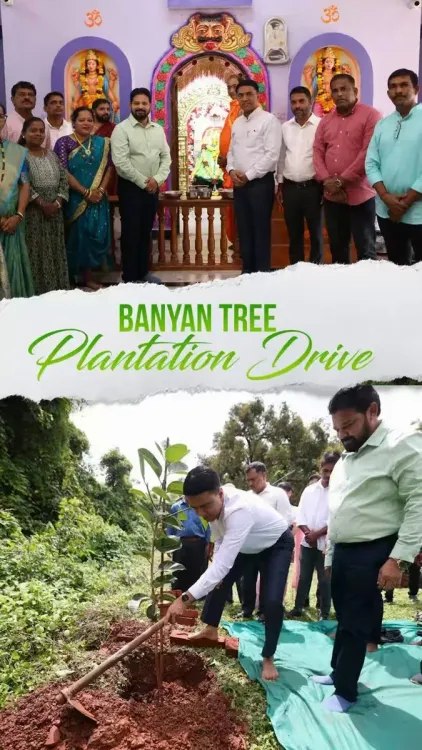
Goa Chief Minister Pramod Sawant on 29 June 2026 backed a Banyan Tree Plantation Drive under the national #EkPedMaaKeNaam initiative, framing it as a commitment to preserving Goa's biodiversity and advancing a greener, more sustainable future for the state.
Key Takeaways
Goa Chief Minister Pramod Sawant publicly endorsed a Banyan Tree Plantation Drive on 29 June 2026 .
The drive is part of the national #EkPedMaaKeNaam ('One Tree in Mother's Name') campaign run by the Government of India .
The banyan ( Ficus benghalensis ), India's national tree, was chosen for its ecological value including biodiversity support and groundwater recharge.
Goa borders the Western Ghats , a UNESCO biodiversity hotspot, giving afforestation efforts heightened ecological significance in the state.
CM Sawant framed the initiative as a commitment to a 'greener, cleaner, and more sustainable future' for Goa .
Sapling survival rates and follow-up monitoring will determine whether the drive delivers measurable gains in the state's green cover.
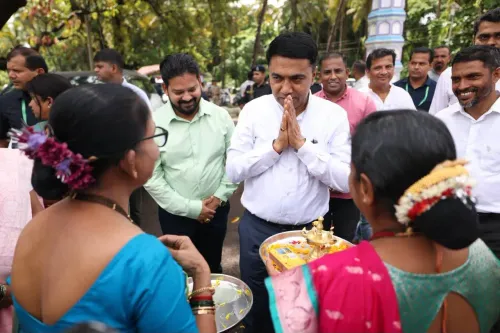
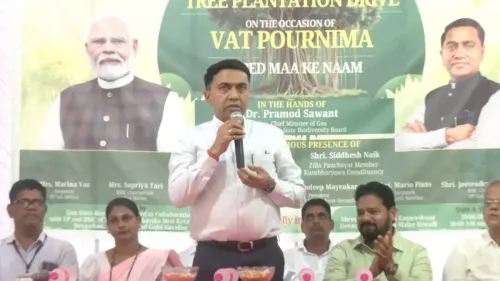
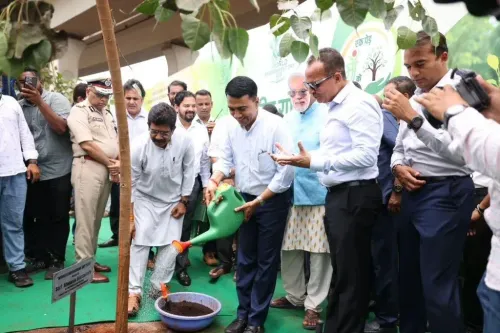
Goa Chief Minister Pramod Sawant on Monday, 29 June 2026, threw his weight behind a Banyan Tree Plantation Drive being conducted as part of the nationwide #EkPedMaaKeNaam campaign, calling it a step toward preserving Goa's rich biodiversity and building a greener, cleaner, and more sustainable future.
Context
Posting on X, CM Sawant described the plantation drive as more than a symbolic gesture. 'The Banyan Tree Plantation Drive as a Part of #EkPedMaaKeNaam is a step toward preserving Goa's rich biodiversity and build a greener, cleaner, and more sustainable future,' he wrote. The banyan tree holds particular cultural and ecological significance in Goa, where it has historically served as a community gathering point and a critical habitat for local flora and fauna.
Policy Backdrop
#EkPedMaaKeNaam — translated as 'One Tree in Mother's Name' — is a national tree-plantation initiative launched by the Government of India to mobilise citizens and state governments into large-scale afforestation efforts. The campaign encourages individuals to plant a tree as a tribute to their mothers, linking environmental action to an emotional, personal commitment. States across the country have adopted the campaign into their own green-action calendars, with plantation drives organised by government departments, local bodies, and civil society groups.
Goa, despite its relatively small geographical area, is home to a significant stretch of the Western Ghats, a UNESCO-recognised biodiversity hotspot. The state has faced recurring concerns over deforestation, mining-related land degradation, and rapid urbanisation along its coastal belt, making afforestation initiatives particularly relevant to its long-term ecological health.
Stakeholders and Impact
The banyan tree (Ficus benghalensis) is the national tree of India and is well-suited to Goa's tropical climate. Its expansive canopy provides shade, supports biodiversity, and contributes to groundwater recharge — benefits that are directly relevant to both rural communities and urban residents in the state. By anchoring the drive specifically around the banyan, the state government signals an intent to plant species with deep ecological and cultural roots rather than fast-growing but ecologically shallow alternatives.
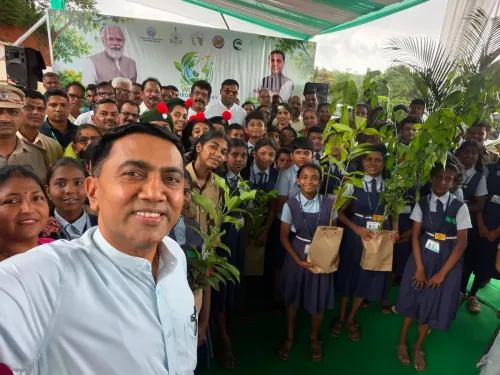
Local panchayats, school students, forest department officials, and community volunteers are typically the primary participants in such drives, making the initiative a broad-based civic exercise. A successful plantation campaign can also contribute to Goa's commitments under India's Nationally Determined Contributions to the Paris Agreement, which include expanding the country's forest and tree cover.
What's Next
The drive is likely to be followed by monitoring and maintenance protocols, as survival rates of planted saplings — rather than raw numbers planted — are increasingly the benchmark by which such campaigns are evaluated. CM Sawant's public endorsement is expected to lend administrative momentum to the effort, encouraging district-level officials and local bodies across Goa to scale up participation. If sustained, such plantation drives could meaningfully contribute to the state's green cover targets and serve as a model for integrating national environmental campaigns with local biodiversity priorities.
Point of View
However, will be in post-plantation survival audits and whether the drive translates into measurable gains in Goa's forest cover.
NationPress
29 Jun 2026
Frequently Asked Questions
What is the Ek Ped Maa Ke Naam campaign?
'Ek Ped Maa Ke Naam' is a national tree-plantation initiative by the Government of India that encourages citizens to plant a tree as a tribute to their mothers, aiming to drive large-scale afforestation across the country.
Why is Goa planting banyan trees specifically?
The banyan tree is India's national tree and is well-suited to Goa's tropical climate. It supports biodiversity, provides shade, and aids groundwater recharge, making it ecologically significant for the state.
What did Goa CM Pramod Sawant say about the plantation drive?
CM Pramod Sawant said the Banyan Tree Plantation Drive under #EkPedMaaKeNaam is 'a step toward preserving Goa's rich biodiversity and build a greener, cleaner, and more sustainable future.'
How does Goa's tree plantation drive connect to national environmental goals?
Plantation drives in states like Goa contribute to India's commitment under the Paris Agreement to expand forest and tree cover as part of the country's Nationally Determined Contributions to climate action.
When did CM Sawant announce the Goa banyan tree plantation drive?
CM Pramod Sawant posted about the Banyan Tree Plantation Drive on Monday, 29 June 2026 , on the social media platform X.