CM Shivakumar Chairs High-Level Meet on Cauvery Water Crisis
Synopsis
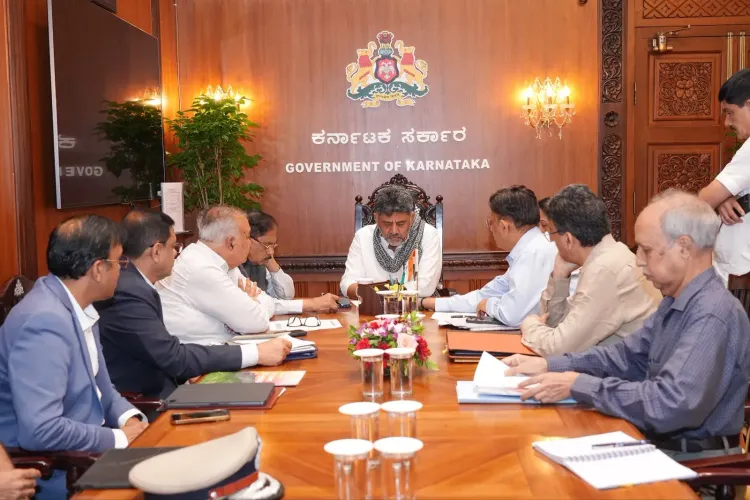
Chief Minister D.K. Shivakumar on 31 July 2026 chaired a high-level review of Karnataka's Cauvery water situation following a CWMA directive, with the Deputy CM, Water Resources Minister, Chief Secretary, and police chief all in attendance to assess compliance and next steps.
Key Takeaways
Shivakumar chaired the high-level Cauvery water review meeting on 31 July 2026 .
The meeting was triggered by a fresh directive from the Cauvery Water Management Authority (CWMA) .
Attendees included Deputy CM Dr.
Parameshwara , Water Resources Minister Ramalinga Reddy , Chief Secretary Dr.
Shalini Rajneesh , and DGP Dr.
The CWMA was established in June 2018 under Supreme Court orders to implement the Cauvery Tribunal's 2007 final award.
The presence of the police chief signals the government's awareness of potential law-and-order implications alongside the water management challenge.
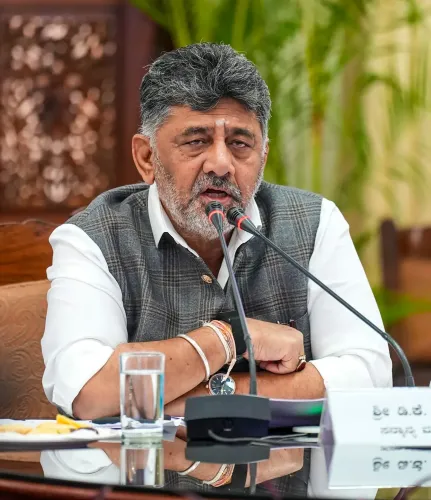
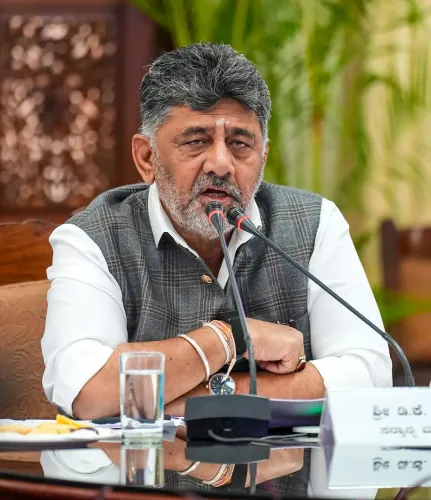
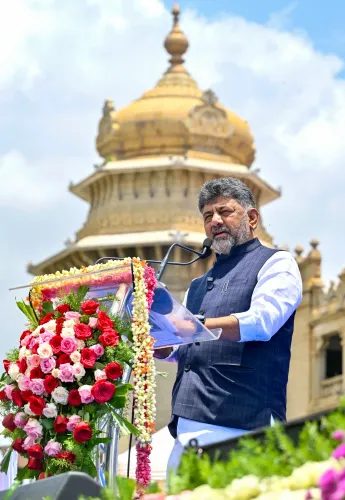
A fresh directive from the Cauvery Water Management Authority (CWMA) has pushed Karnataka's top leadership into an urgent huddle. On 31 July 2026, Chief Minister D.K. Shivakumar chaired a high-level review meeting in Bengaluru to assess the state's Cauvery water situation and chart the way forward.
Who was in the room — and why it matters
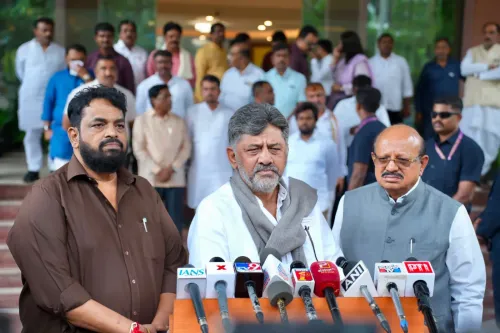
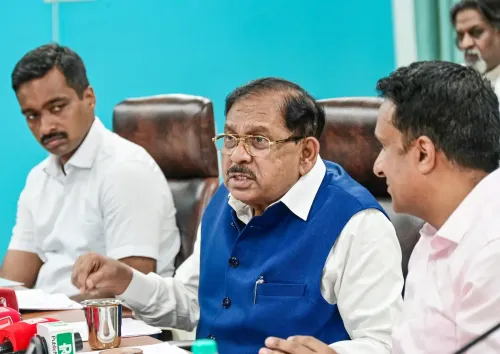
The meeting brought together the state's senior-most decision-makers: Deputy Chief Minister Dr. G. Parameshwara, Water Resources Minister Shri Ramalinga Reddy, Chief Secretary Dr. Shalini Rajneesh, and DGP & IGP Dr. M.A. Saleem, alongside senior officials from both the administration and police. The presence of the police chief signals that the government is alive to the law-and-order dimension that Cauvery disputes have historically triggered — not just the hydraulic one.
The CWMA order that triggered the meeting
The Cauvery Water Management Authority was constituted by the Union government in June 2018, following a Supreme Court directive in February 2018 that modified the Cauvery Water Disputes Tribunal's final award of February 2007. The CWMA's mandate is to oversee day-to-day reservoir operations and ensure that Karnataka, Tamil Nadu, Kerala, and Puducherry each receive their court-prescribed share. Whenever the authority issues a release direction — particularly in seasons of below-normal rainfall — Karnataka's government is obligated to respond, and swiftly.
The specific contents of the latest CWMA order were not disclosed in the official communication, but the convening of such a high-level meeting, with the police chief present, underscores the political and administrative weight the directive carries.
A dispute as old as modern irrigation
The Cauvery is not merely a river — it is a decades-long flashpoint between Karnataka and Tamil Nadu, with the livelihoods of millions of basin farmers on both sides tied to every cusec released or withheld. State-level coordination meetings of this kind are a standard administrative response: they allow the government to assess reservoir levels, align compliance timelines, and manage the intense political pressure that release orders invariably generate among Karnataka's own farming communities.
What happens in the days following such a meeting — whether Karnataka announces a compliance schedule, approaches the CWMA with a counter-representation, or convenes farmer consultations — will determine the immediate trajectory of this latest chapter in the river's long dispute.
Point of View
Who represents Kanakapura in the Cauvery basin, managing the CWMA's demands while shielding Karnataka farmers from the political fallout is a perennial tightrope. The meeting reflects a broader pattern in which interstate water disputes increasingly require state governments to perform compliance for the courts and central authorities while performing resistance for their own constituencies. The weeks ahead — and any announced release schedule — will reveal which imperative wins this round.
NationPress
31 Jul 2026
Frequently Asked Questions
Why did Karnataka hold a high-level Cauvery water meeting on 31 July 2026?
The meeting was called in response to a directive from the Cauvery Water Management Authority (CWMA), the Supreme Court-mandated body that oversees water sharing between Karnataka, Tamil Nadu, Kerala, and Puducherry. Chief Minister D.K. Shivakumar chaired the session to review the state's current water situation and decide on next steps.
What is the Cauvery Water Management Authority (CWMA)?
The CWMA is a central government body established in June 2018 following a Supreme Court order. Its role is to implement and monitor the Cauvery water-sharing arrangement among the four basin states, based on the final award delivered by the Cauvery Water Disputes Tribunal in February 2007.
Who attended the Cauvery water review meeting chaired by CM Shivakumar?
The meeting was attended by Deputy Chief Minister Dr. G. Parameshwara, Water Resources Minister Ramalinga Reddy, Chief Secretary Dr. Shalini Rajneesh, DGP and IGP Dr. M.A. Saleem, and senior officials from the administration and police.
Why was the DGP present at a water management meeting in Karnataka?
The inclusion of the Director General of Police signals that the Karnataka government is preparing for potential law-and-order situations. Cauvery water release orders have historically triggered protests and unrest among farmers in Karnataka, making police coordination a standard part of the state's response.
What happens after Karnataka receives a CWMA water release order?
Karnataka is legally obligated to comply with CWMA directives, which are backed by Supreme Court authority. The state government typically reviews reservoir levels, assesses the agrarian situation, and may announce a release schedule or approach the CWMA with a representation if conditions make compliance difficult.