CM Shivakumar Launches Safe Footpath Drive Across Bengaluru
Synopsis
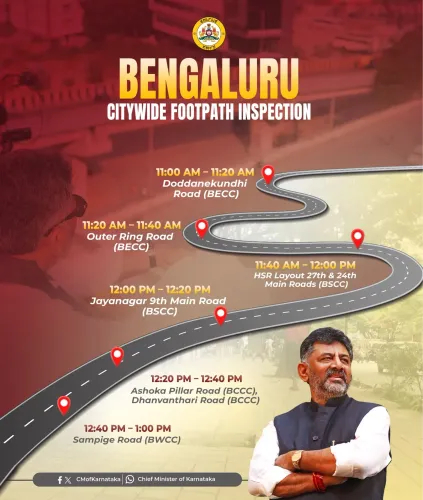
Karnataka CM D.K. Shivakumar inspected Bengaluru's Safe Footpath campaign on 10 July 2026. Over 430 km of footpaths have been cleared and 9,878 encroachments removed under Supreme Court directions, with registered vendors to receive designated vending spaces as the drive expands citywide.
Key Takeaways
The Greater Bengaluru Authority has launched the Safe Footpath campaign under Minister Krishna Byre Gowda , with CM D.K.
Shivakumar personally inspecting progress on 10 July 2026 .
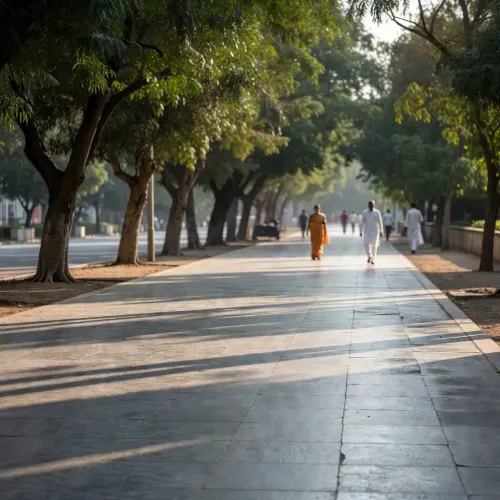
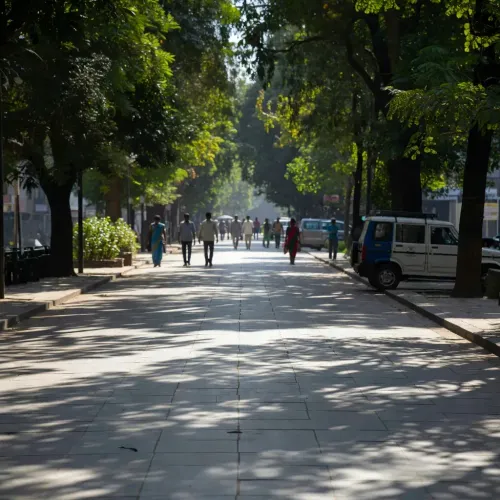
Over 430 km of footpaths have been cleared for pedestrian use so far, with the drive to continue without exception.
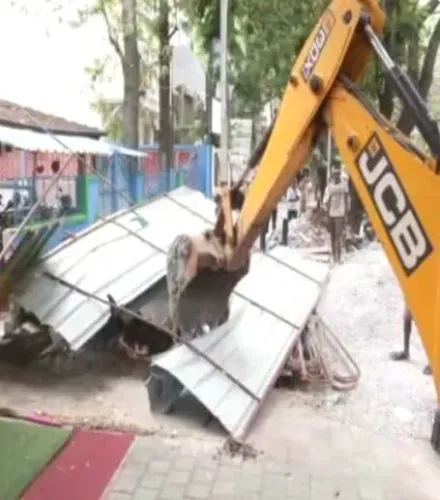
9,878 encroachments of various kinds have been removed, including thousands from shops along footpaths.
The campaign is being carried out in compliance with Supreme Court of India directions on pedestrian safety, prompted in part by more than 900 pedestrian fatalities in Bengaluru over the past three years.
Registered street vendors will receive designated vending spaces and push carts to protect their livelihoods while freeing footpaths.
The next phase will include removal of abandoned vehicles encroaching on footpaths, alongside active footpath repair work.
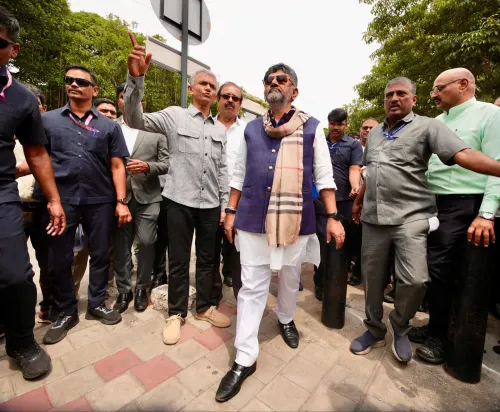
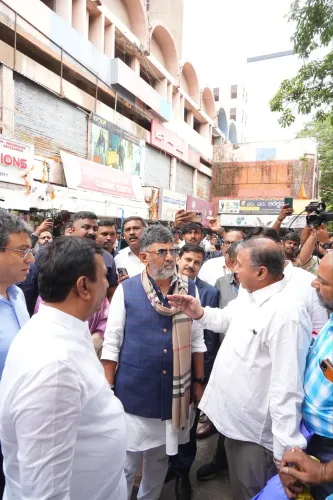
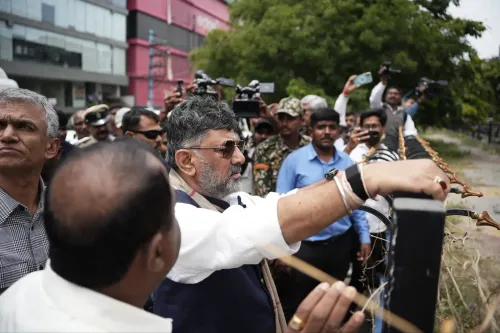
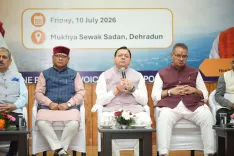
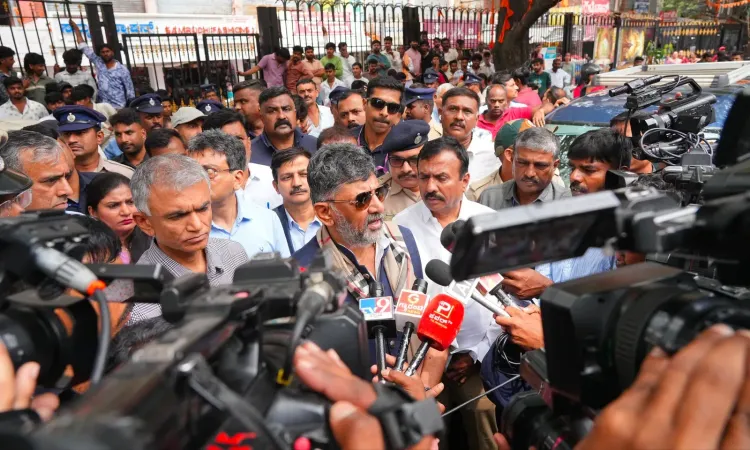
The Chief Minister's Office of Karnataka announced on Friday, 10 July 2026 that Chief Minister D.K. Shivakumar addressed the media during a personal inspection of Bengaluru's Safe Footpath campaign, underscoring the state government's commitment to reclaiming pedestrian space across the city.
Context
Speaking at the inspection, CM Shivakumar stated that 'a cleaner, safer and more walkable Bengaluru is our commitment.' The campaign is being executed by the Greater Bengaluru Authority under the direct leadership of Minister for Greater Bengaluru Development Krishna Byre Gowda. According to the Chief Minister's statement, over 430 km of footpaths have already been cleared for pedestrian use, with the drive set to continue 'without fear or favour.'
The government noted that more than 900 pedestrian fatalities have been recorded in Bengaluru over the last three years, alongside sustained public demand for safer walkways. CM Shivakumar confirmed the campaign is being carried out in accordance with directions from the Hon'ble Supreme Court of India, which has previously issued binding orders on pedestrian safety and footpath encroachment removal in Indian cities.
Policy Backdrop
The Safe Footpath campaign sits within a broader legal and legislative framework. The Street Vendors (Protection of Livelihood and Regulation of Street Vending) Act, 2014 mandates that states demarcate designated vending zones while simultaneously protecting pedestrian space — a balance the current drive explicitly attempts to strike. The government has stated that registered street vendors will be provided designated vending spaces and push carts, ensuring their livelihoods are not disrupted.
Bengaluru has seen multiple footpath redevelopment and encroachment-removal initiatives by civic bodies between 2015 and 2022, but chronic re-encroachment and inadequate vendor rehabilitation have repeatedly undermined progress. The creation of the Greater Bengaluru Authority as a unified statutory body reflects a wider trend in India toward streamlined metropolitan governance to address exactly these coordination failures.
Stakeholders and Impact
As of the announcement, 9,878 encroachments of various kinds have been removed, including thousands from shops. The campaign's next phase will include the removal of abandoned vehicles that have been encroaching on footpaths. Simultaneously, the government says footpaths are being actively repaired to make them safe and pedestrian-friendly, not merely cleared.
The drive directly affects three overlapping groups: pedestrians who rely on safe walkways, registered street vendors whose livelihoods depend on footpath access, and Bengaluru residents broadly who have long flagged road safety as a civic priority. The government's commitment to vendor rehabilitation through designated spaces is intended to prevent the social displacement that has undermined similar drives in other Indian metros.
What's Next
The government has signalled that the campaign will be expanded further, with abandoned-vehicle removal the next priority. Monitoring for renewed encroachment complaints and the rollout of functional, designated vending zones will be critical tests of whether the drive delivers lasting change. Any supplementary budget allocations or municipal by-law amendments in the coming fiscal period could determine the programme's long-term sustainability.
CM Shivakumar concluded his address by congratulating 'every citizen, representative, official and stakeholder supporting this drive,' framing the initiative as a collective civic effort toward building, in his words, 'a cleaner, safer and more walkable Namma Bengaluru' — 'Our Bengaluru.'
Point of View
A recurring vulnerability in past encroachment drives. The explicit commitment to vendor rehabilitation through designated spaces reflects lessons learned from earlier drives in Bengaluru and other metros, where displacement of street vendors generated significant political backlash. Whether the Greater Bengaluru Authority can sustain enforcement and deliver functional vending zones simultaneously will be the real measure of whether this drive breaks from the cycle of short-lived clearances.
NationPress
10 Jul 2026
Frequently Asked Questions
What is Bengaluru's Safe Footpath campaign?
The Safe Footpath campaign is a drive launched by the Greater Bengaluru Authority to clear encroachments from footpaths across Bengaluru, repair damaged walkways, and provide designated spaces for registered street vendors. It is being led by Minister Krishna Byre Gowda and has been personally inspected by CM D.K. Shivakumar.
How many kilometres of footpaths have been cleared in Bengaluru?
According to the Chief Minister's statement on 10 July 2026, over 430 km of footpaths have already been cleared for pedestrians as part of the Safe Footpath campaign.
Why is the Karnataka government clearing Bengaluru footpaths?
The government cited more than 900 pedestrian fatalities in Bengaluru over the last three years and repeated public demands for safer walkways. The campaign is also being carried out in accordance with directions from the Supreme Court of India on pedestrian safety.
What happens to street vendors during the Bengaluru footpath clearance drive?
The government has stated that registered street vendors will be provided designated vending spaces and push carts so they can continue their business without encroaching on pedestrian footpaths, aiming to protect both livelihoods and pedestrian rights.
What is the Greater Bengaluru Authority?
The Greater Bengaluru Authority is a statutory body tasked with coordinated planning and infrastructure management across Bengaluru. It is the agency leading the Safe Footpath campaign under the direction of Minister for Greater Bengaluru Development Krishna Byre Gowda.