CM Shivakumar Reviews Commercial Taxes Dept at Vidhana Soudha
Synopsis
Chief Minister D.K. Shivakumar met senior officials of Karnataka's Commercial Taxes Department at Vidhana Soudha on June 26, 2026, reviewing departmental performance and directing measures to plug tax leakage. Chief Secretary Dr. Shalini Rajneesh and other top administrators attended the high-level session.
Key Takeaways
Shivakumar chaired a progress review of the Commercial Taxes Department at Vidhana Soudha on June 26, 2026 .
He received a briefing on the department's achievements to date and issued specific directions to control tax leakage.
Shalini Rajneesh and Economic Advisor L.K.
Ateek were among the senior officials present.
Additional Chief Secretaries Tushar Girinath and Ritesh Kumar Singh (Finance Department) also attended the meeting.
The review is part of Karnataka's ongoing effort to strengthen GST and commercial tax compliance in the post- 2017 GST era.
Directions issued are expected to influence the state's quarterly revenue data and future budget planning.
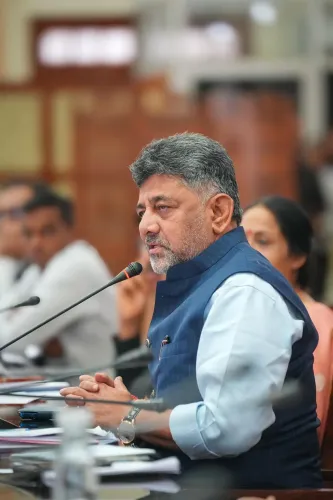
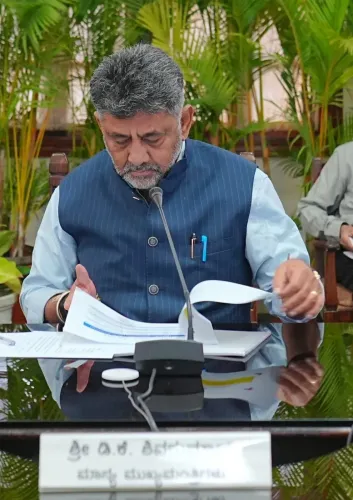
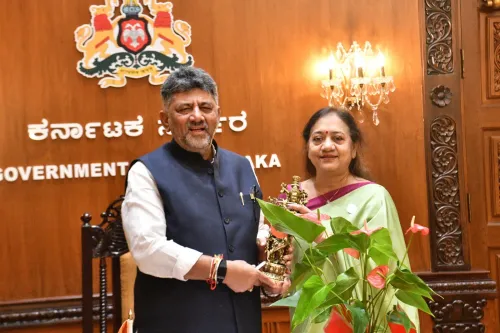
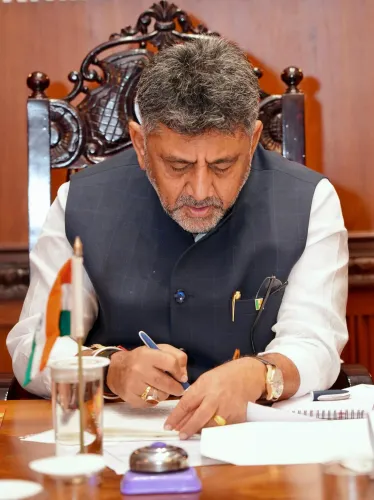
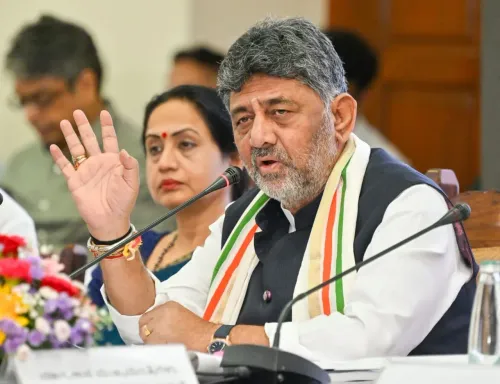
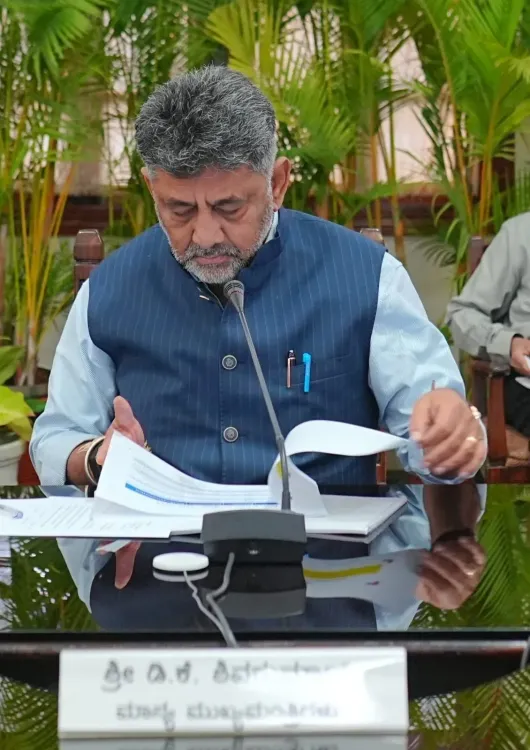
Chief Minister D.K. Shivakumar chaired a progress review meeting with senior officials of the Commercial Taxes Department at Vidhana Soudha, Bengaluru, on Friday, June 26, 2026, receiving a detailed briefing on the department's performance and issuing directions to curb tax leakage.
The Chief Minister's Office of Karnataka announced that Shivakumar convened the meeting to assess how far the department had progressed in revenue mobilisation and to outline steps for tightening compliance. The post stated that he 'ತೆರಿಗೆ ಸೋರಿಕೆ ನಿಯಂತ್ರಣಕ್ಕೆ ಅನುಸರಿಸಬೇಕಾದ ಕ್ರಮಗಳ ಬಗ್ಗೆ ಸೂಚನೆ ನೀಡಿದರು' — 'issued instructions on the measures to be followed for controlling tax leakage.'
Context
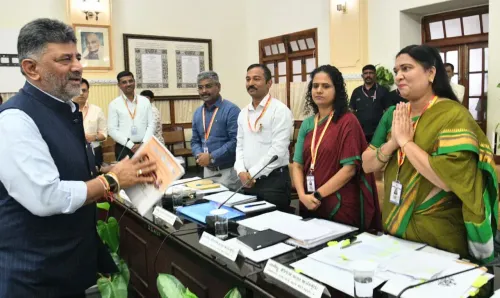
The meeting brought together some of Karnataka's most senior administrators. Dr. Shalini Rajneesh, Chief Secretary of the Government of Karnataka, was present alongside L.K. Ateek, Economic Advisor to the Chief Minister. Tushar Girinath, Additional Chief Secretary to the Government, and Ritesh Kumar Singh, Additional Chief Secretary of the Finance Department, also attended, along with senior officers of the Commercial Taxes Department.
The high-level composition of the meeting signals that the state government views commercial tax administration as a priority fiscal concern, bringing together revenue, finance, and executive leadership under one roof.
Policy Backdrop
Since the rollout of the Goods and Services Tax (GST) in 2017, Karnataka has periodically conducted departmental reviews aimed at strengthening compliance and boosting own-tax revenue. The Commercial Taxes Department administers GST, professional tax, and other commercial levies within the state.
Indian states have faced persistent pressure on their fiscal positions, balancing welfare scheme commitments and infrastructure spending against the need for robust domestic revenue. Regular review meetings of this nature are a standard tool of administrative oversight to identify evasion patterns and improve collection efficiency.
Stakeholders and Impact
The primary stakeholders affected by any tightening of commercial tax administration include registered businesses, traders, and GST-liable entities operating across Karnataka. More effective leakage control directly translates into higher state revenues, which fund public services and flagship welfare programmes.
For revenue officials, the Chief Minister's direct intervention underscores accountability expectations at the departmental level. The presence of the Economic Advisor and the Finance Department's Additional Chief Secretary suggests that outcomes of the review could feed into the state's broader fiscal planning cycle.
What's Next
The directions issued by CM Shivakumar on leakage-control measures are expected to be operationalised by the Commercial Taxes Department in the coming weeks. Their effectiveness will be visible in quarterly revenue collection data and could shape the contours of the next state budget exercise.
Observers will watch whether the review leads to specific enforcement actions, technology-driven compliance tools, or revised targets for the department — each of which would signal the seriousness with which the government intends to pursue its revenue agenda.
Point of View
Economic Advisor, and Finance ACS in the room — signals that Karnataka's fiscal management is under close executive scrutiny. The move fits a broader pattern of state governments tightening own-tax revenue mobilisation as fiscal pressure from welfare commitments mounts. The high-level attendance also suggests the outcomes may directly inform budget strategy rather than remain confined to routine departmental action. How quickly the leakage-control directions translate into measurable revenue gains will be the real test of this administrative exercise.
NationPress
26 Jun 2026
Frequently Asked Questions
Why did CM Shivakumar hold a Commercial Taxes Department review meeting?
CM Shivakumar convened the meeting to assess the department's revenue performance so far and to issue directions on steps needed to control tax leakage and strengthen compliance.
Where was the Karnataka commercial taxes review meeting held?
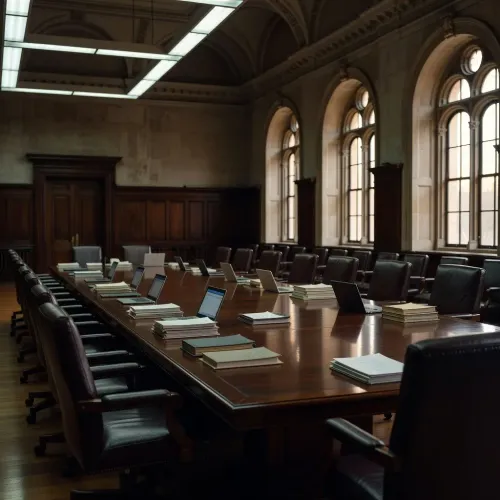
The meeting was held at Vidhana Soudha , the seat of Karnataka's state legislature and secretariat, in Bengaluru .
Who attended the Commercial Taxes review meeting with CM Shivakumar?
Chief Secretary Dr. Shalini Rajneesh , Economic Advisor L.K. Ateek , Additional Chief Secretary Tushar Girinath , Finance Department Additional Chief Secretary Ritesh Kumar Singh , and senior Commercial Taxes Department officials attended.
What is Karnataka's Commercial Taxes Department responsible for?
The Commercial Taxes Department administers the Goods and Services Tax (GST) , professional tax, and other commercial levies within Karnataka, and is mandated to check tax evasion and boost state revenue.
How does this meeting relate to Karnataka's budget planning?
The review's focus on leakage control and revenue performance means its outcomes could directly influence Karnataka's quarterly revenue targets and the priorities set in the next state budget exercise.