CM Siddaramaiah Inaugurates 33 Crest Gates at Tungabhadra Dam
Synopsis
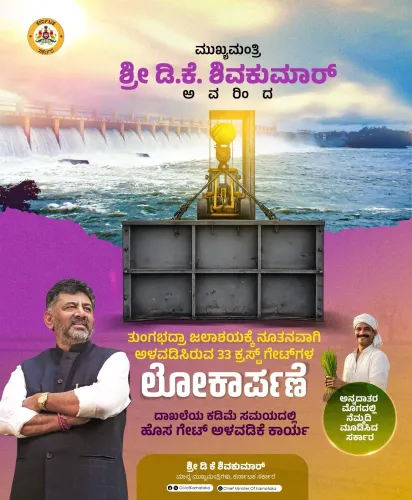
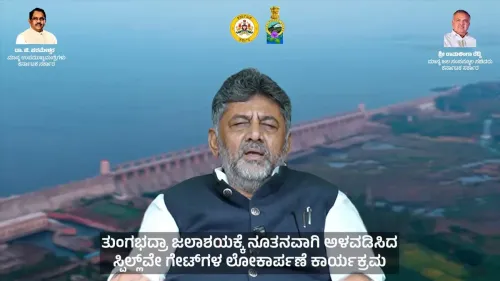
Karnataka Chief Minister D.K. Shivakumar inaugurated 33 newly installed crest gates at the Tungabhadra Dam in Hosapete on June 25, 2026, in a tri-state ceremony attended by the chief ministers of Andhra Pradesh and Telangana and Union Minister for Jal Shakti C.R. Patil, marking a major structural upgrade to the 1953 dam.
Key Takeaways
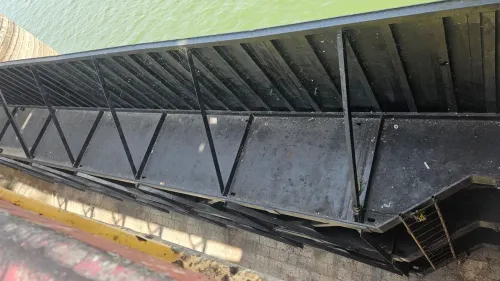
33 new crest gates were inaugurated at the Tungabhadra Dam in Hosapete, Vijayanagara district on June 25, 2026 .
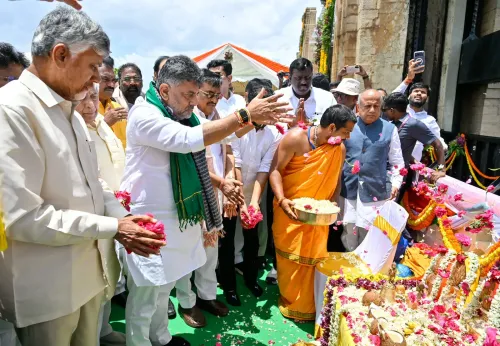
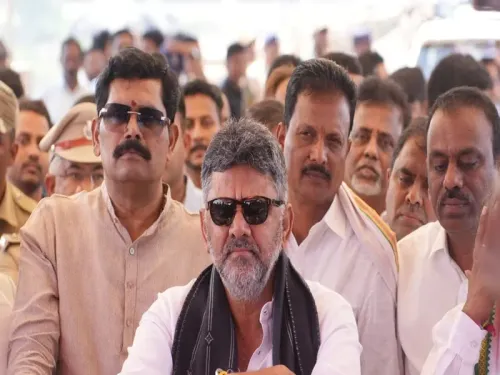
Shivakumar led the inauguration at a public event attended by thousands.
Union Minister for Jal Shakti C.R.
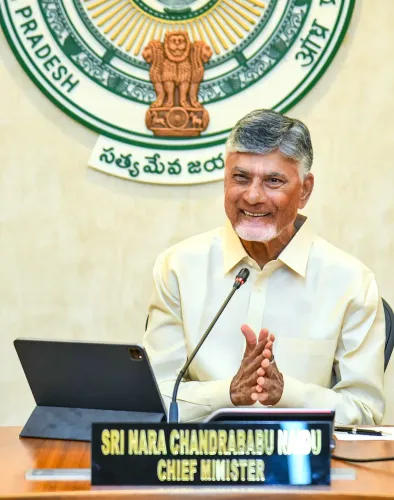
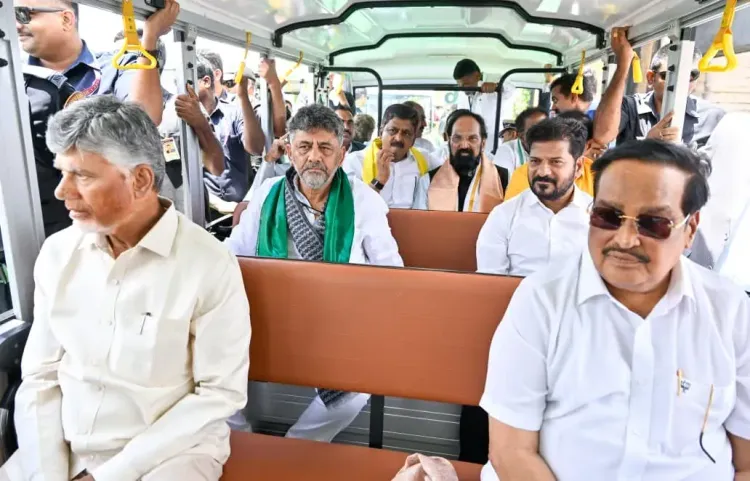
Chandrababu Naidu , and Telangana CM Revanth Reddy were present, marking rare tri-state participation.
The Tungabhadra Dam , commissioned in 1953 , is a critical irrigation and hydropower asset for Karnataka, Andhra Pradesh, and Telangana.
The upgrade is part of broader modernisation of Krishna river basin dams for structural safety and operational efficiency.
Improved gate operations are expected to benefit basin farmers ahead of the 2026 kharif season.
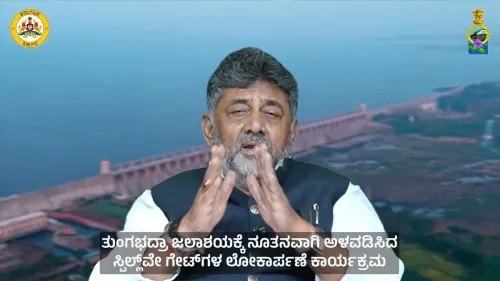
The Chief Minister's Office of Karnataka announced on Thursday, June 25, 2026, that Chief Minister Shri D.K. Shivakumar inaugurated 33 newly installed crest gates at the Tungabhadra Dam during a public event held in Hosapete, Vijayanagara district, attended by thousands of people. The ceremony brought together chief ministers from two neighbouring states and the Union Minister for Jal Shakti, underscoring the dam's significance as a shared inter-state water resource.
Context
The Tungabhadra Dam, completed in 1953, is a major masonry dam across the Tungabhadra River in Karnataka, built as the centrepiece of a joint irrigation and hydropower project serving Karnataka, Andhra Pradesh, and Telangana. The dam was sanctioned in 1949 and has for over seven decades been the lifeline of drought-prone districts across the Karnataka-Andhra border. The installation of 33 new crest gates represents one of the most significant structural upgrades to the ageing infrastructure in recent years.
At the ceremony, CM Shivakumar prayed for 'abundant rainfall, a prosperous harvest, and the well-being of all,' reflecting the deep agrarian stakes attached to the dam's operational health ahead of the 2026 monsoon season.
Policy Backdrop
The modernisation of the Tungabhadra Dam's crest gates is part of a broader national effort to rehabilitate pre-independence and early post-independence dams in the Krishna river system for structural safety and operational efficiency. Union Minister for Jal Shakti Shri C.R. Patil, whose ministry oversees national water resources and dam safety programmes, attended the inauguration — signalling central government backing for the upgrade.
Since the 2014 bifurcation of Andhra Pradesh, Karnataka, Andhra Pradesh, and Telangana have coordinated through the Tungabhadra Board and bilateral mechanisms on water release schedules and dam maintenance. The new gates are expected to improve reservoir regulation, which directly affects irrigation allocations, drinking water supply, and hydropower generation across all three states.
Stakeholders and Impact
The inauguration was attended by Andhra Pradesh Chief Minister Shri N. Chandrababu Naidu and Telangana Chief Minister Shri Revanth Reddy, alongside Chairman of the Karnataka Legislative Council Shri Basavaraj Horatti, ministers from all three states, legislators, public representatives, and senior government officials. The rare tri-state presence at a dam infrastructure event highlights the politically sensitive nature of Tungabhadra basin water sharing.
Farmers across the basin — spanning drought-prone districts in all three states — stand to benefit most directly from improved gate operations, which enable more precise control of water releases for the kharif and rabi crop seasons. The Deccan plateau's recurring monsoon variability makes such infrastructure upgrades especially consequential for agricultural planning.
What's Next
Attention will now turn to whether the Karnataka government and the Tungabhadra Board announce further phases of spillway or gate rehabilitation, and how the upgraded gates perform during the critical 2026 monsoon inflows. The event also sets the stage for renewed inter-state dialogue on water release schedules, with all three riparian chief ministers having publicly aligned at the inauguration. The long-term trajectory of dam modernisation in the Krishna basin will depend on continued coordination between state governments and the Union Ministry of Jal Shakti.
Point of View
Andhra Pradesh, and Telangana's chief ministers sharing a platform alongside the Union Jal Shakti minister — is a rare show of inter-state consensus on a historically contentious river basin. For CM Shivakumar, the event serves a dual purpose: demonstrating infrastructure delivery ahead of the monsoon and projecting cooperative federalism with Telugu-speaking neighbours. The central government's visible participation signals that dam safety and Krishna basin modernisation remain priorities under the national water policy framework. Whether this goodwill translates into smoother water-sharing negotiations during the 2026 monsoon will be the real test of the day's symbolism.
NationPress
25 Jun 2026
Frequently Asked Questions
What was inaugurated at Tungabhadra Dam on June 25 2026?
Karnataka Chief Minister D.K. Shivakumar inaugurated 33 newly installed crest gates at the Tungabhadra Dam in Hosapete, Vijayanagara district, on June 25, 2026, at a public ceremony attended by thousands.
Why are crest gates important for Tungabhadra Dam?
Crest gates control the release of water from the reservoir, enabling precise management of irrigation allocations, flood regulation, and hydropower generation. Upgrading them improves the dam's structural safety and operational efficiency.
Who attended the Tungabhadra Dam crest gate inauguration?
The event was attended by Union Minister for Jal Shakti C.R. Patil, Andhra Pradesh Chief Minister N. Chandrababu Naidu, Telangana Chief Minister Revanth Reddy, Karnataka Legislative Council Chairman Basavaraj Horatti, and ministers and legislators from all three states.
When was the Tungabhadra Dam built and which states does it serve?
The Tungabhadra Dam was sanctioned in 1949 and commissioned in 1953. It serves Karnataka, Andhra Pradesh, and Telangana by providing irrigation water, drinking water, and hydropower for the Deccan plateau region.
How does the Tungabhadra Dam upgrade affect farmers?
The new crest gates allow more precise control of water releases, which directly benefits farmers in the Tungabhadra basin across Karnataka, Andhra Pradesh, and Telangana during both the kharif and rabi crop seasons.