CM Siddaramaiah meets district chiefs of Guarantee Schemes Authority
Synopsis
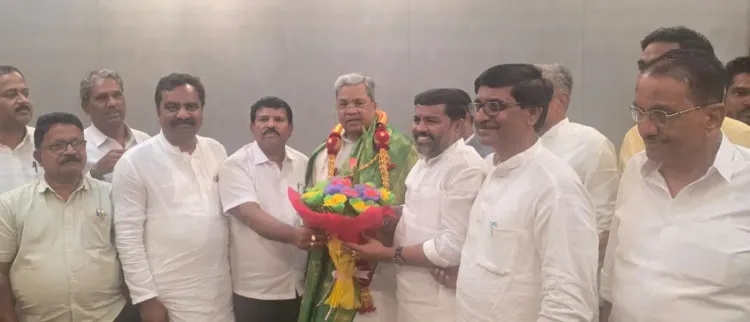
Karnataka Chief Minister Siddaramaiah on 4 July 2026 met district committee chairpersons of the State Guarantee Schemes Implementation Authority, along with state president H.M. Revanna and vice-presidents Dinesh Guligowda and S.R. Patil, to review ground-level delivery of the state's five flagship welfare guarantees.
Key Takeaways
CM Siddaramaiah met district committee chairpersons of the State Guarantee Schemes Implementation Authority on 4 July 2026 .
The meeting was attended by authority state president H.M.
Revanna and vice-presidents Dinesh Guligowda and S.R.
The authority oversees implementation of Karnataka 's five major Congress election guarantee welfare schemes launched after the May 2023 assembly election victory.
District committees serve as the frontline accountability structure between the state authority and beneficiaries across Karnataka .
The review is expected to feed into 2026-27 budget planning and scheme delivery assessments.
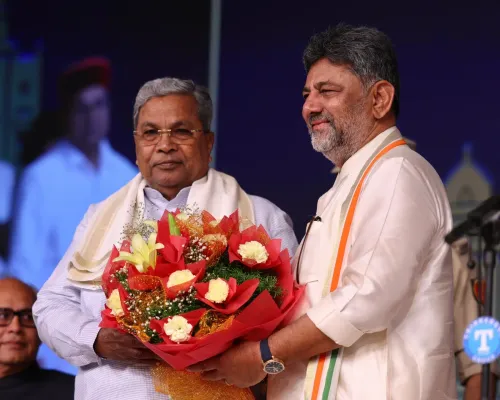
Karnataka Chief Minister Siddaramaiah on Saturday, 4 July 2026, met the district committee chairpersons of the State Guarantee Schemes Implementation Authority, holding discussions on the ground-level rollout of the state's flagship welfare programmes. The meeting was also attended by the authority's state president and other senior office-bearers.
In a post on X, CM Siddaramaiah wrote in Kannada: 'ರಾಜ್ಯ ಗ್ಯಾರಂಟಿ ಯೋಜನೆಗಳ ಅನುಷ್ಠಾನ ಪ್ರಾಧಿಕಾರದ ಜಿಲ್ಲಾ ಸಮಿತಿಗಳ ಅಧ್ಯಕ್ಷರು ಇಂದು ನನ್ನನ್ನು ಭೇಟಿಯಾಗಿ ಮಾತುಕತೆ ನಡೆಸಿದರು' ('The chairpersons of the district committees of the State Guarantee Schemes Implementation Authority met me today and held discussions'). He noted that the authority's state president H.M. Revanna, vice-presidents Dinesh Guligowda and S.R. Patil, and several others were present.
Context
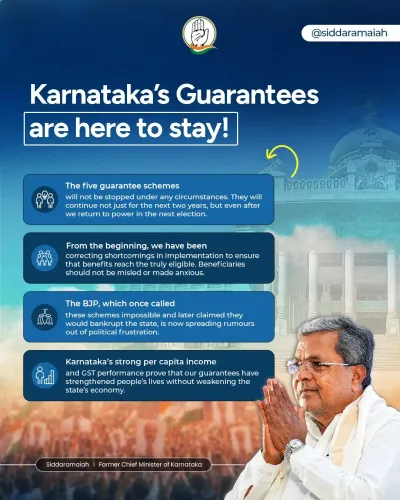
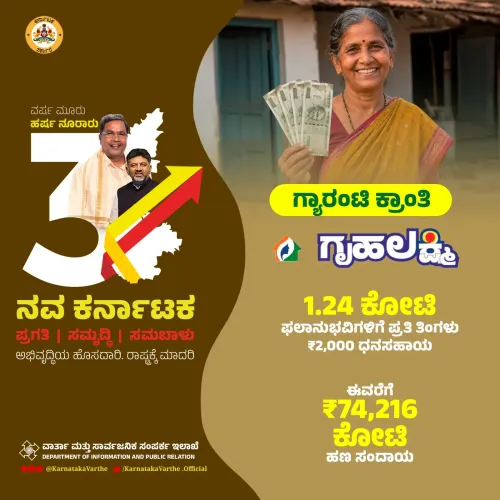
The Karnataka Congress government, which came to power in May 2023, had campaigned on five major guarantee welfare schemes covering subsidised electricity, free food grains, cash transfers, free bus travel for women, and unemployment allowance for graduates. Delivering on these promises has been central to the government's political identity since taking office.
To oversee and accelerate implementation, the government established the State Guarantee Schemes Implementation Authority, a dedicated body with district-level committees spread across Karnataka. Saturday's meeting represents a direct interface between the Chief Minister and those district-level functionaries.
Policy Backdrop
Across India, state governments have increasingly set up specialised implementation authorities and monitoring committees for large-scale welfare guarantees, recognising that announcement and actual delivery are two distinct challenges. Karnataka's model mirrors this trend, with a layered structure from state to district designed to track beneficiary enrolment, fund disbursement, and grievance redressal.
The authority's district committees serve as the primary interface between the state machinery and beneficiaries on the ground, making their periodic meetings with the Chief Minister a key accountability mechanism for the programme.
Stakeholders and Impact
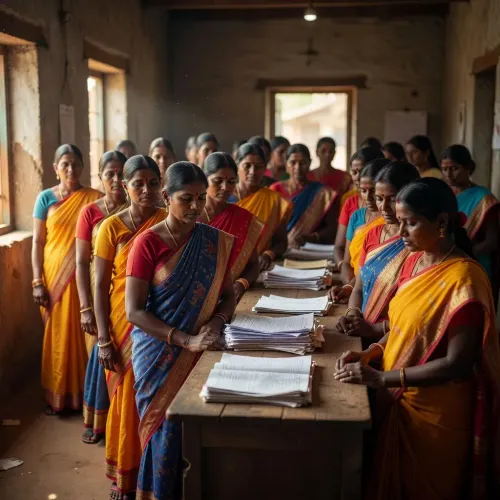
The schemes directly affect millions of households across Karnataka, spanning electricity consumers, ration-card holders, women commuters, and unemployed youth. District committee chairpersons play a pivotal role in identifying gaps in delivery and escalating systemic issues to the state authority.
Saturday's discussions are expected to have covered implementation bottlenecks, beneficiary coverage data, and coordination between district administrations and the authority's field teams, though the specific outcomes of the meeting were not detailed in the Chief Minister's post.
What's Next
With the 2026-27 state budget cycle under way, the findings from district-level reviews are likely to inform allocation decisions for the guarantee schemes going forward. Progress reports from district committees on scheme delivery will be a key indicator of whether the authority is meeting its mandate. The frequency and outcomes of such high-level review meetings will also be closely watched as a signal of the government's commitment to sustaining its welfare guarantees ahead of future electoral cycles.
Point of View
Not just their announcement. Such structured review mechanisms are increasingly how state governments manage the political risk of under-delivery on flagship guarantees. With the 2026-27 budget cycle in progress, the timing of this consultation suggests district-level feedback may directly shape upcoming fiscal allocations. The meeting also reinforces the authority's role as a politically significant body, given the prominence of its office-bearers.
NationPress
4 Jul 2026
Frequently Asked Questions
What are Karnataka's guarantee schemes?
Karnataka's guarantee schemes are five flagship welfare programmes launched by the Congress government after its May 2023 election victory, covering subsidised electricity, free food grains, cash transfers to women, free bus travel for women, and unemployment allowance for graduates.
What is the State Guarantee Schemes Implementation Authority?
The State Guarantee Schemes Implementation Authority is a dedicated body set up by the Karnataka government to oversee and monitor the delivery of the state's five guarantee welfare schemes, with district-level committees operating across the state.
Who attended the meeting with CM Siddaramaiah on 4 July 2026?
The meeting was attended by the authority's state president H.M. Revanna , vice-presidents Dinesh Guligowda and S.R. Patil , and the chairpersons of the district committees of the authority, among others.
Why did CM Siddaramaiah meet the district committee chairpersons?
CM Siddaramaiah met the district committee chairpersons to hold discussions on the ground-level implementation of Karnataka 's state guarantee welfare schemes, as stated in his post on X.
How does Karnataka monitor its welfare scheme delivery?
Karnataka monitors welfare scheme delivery through the State Guarantee Schemes Implementation Authority , which has district-level committees that track beneficiary enrolment, fund disbursement, and field-level issues, reporting up to the state authority and the Chief Minister.