CM Sukhu announces ₹300 cr milk unit for Kangra's Dhagwar
Synopsis
Chief Minister Sukhvinder Singh Sukhu announced a ₹300 crore milk processing plant at Dhagwar in Kangra, promising village-to-unit milk collection and MSP procurement for cow-dung-based organic farmers, with a call for immediate milk society registrations.
Key Takeaways
A ₹300 crore milk processing unit is being established at Dhagwar, Kangra district in Himachal Pradesh.
Dedicated milk vans will collect milk village to village , connecting smallholder livestock farmers directly to the processing plant.
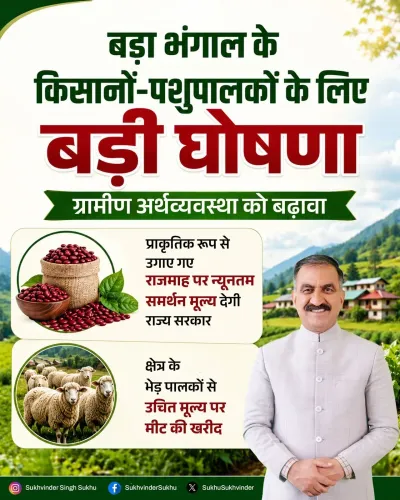
Farmers practising cow-dung-based organic farming will receive MSP-based procurement for their key crops.
CM Sukhu is calling on farmers to register their milk societies to participate in the scheme.
The dual model — dairy income plus organic-crop MSP — is designed to create double income for rural households.
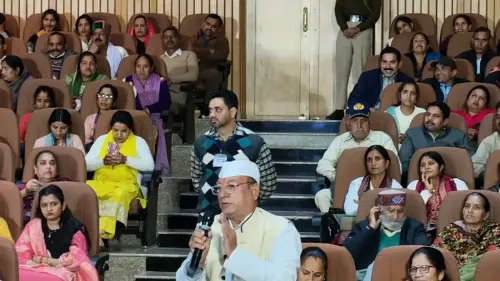
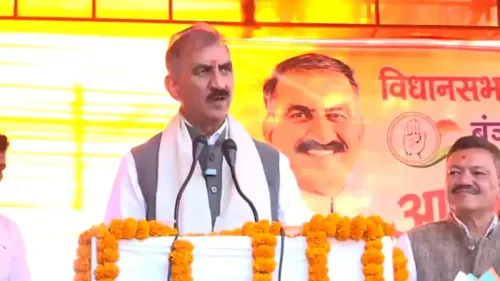
The announcement was made at the Kisan Samvad programme in Tanda on 19 November 2026.
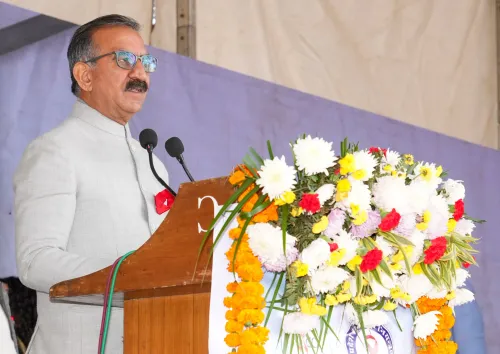
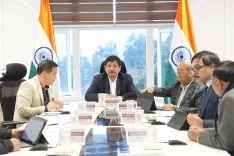
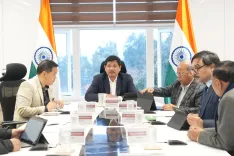
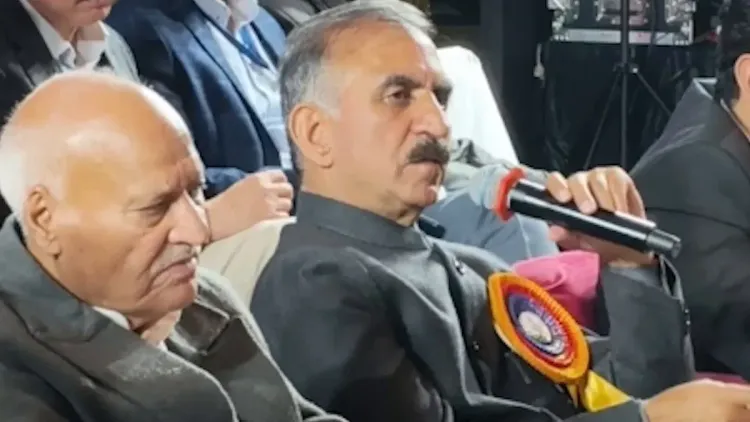
A ₹300 crore milk processing unit is coming to Dhagwar in Kangra district — and Himachal Pradesh Chief Minister Sukhvinder Singh Sukhu wants every dairy farmer in the state to know exactly how to get a piece of it. Speaking at the Kisan Samvad programme in Tanda on Thursday, 19 November 2026, Sukhu laid out a two-pronged income strategy for rural Himachal: milk collection at the village doorstep, and Minimum Support Price (MSP) procurement for farmers practising cow-dung-based organic farming.
Village-to-unit milk chain: how the Dhagwar plant changes the equation
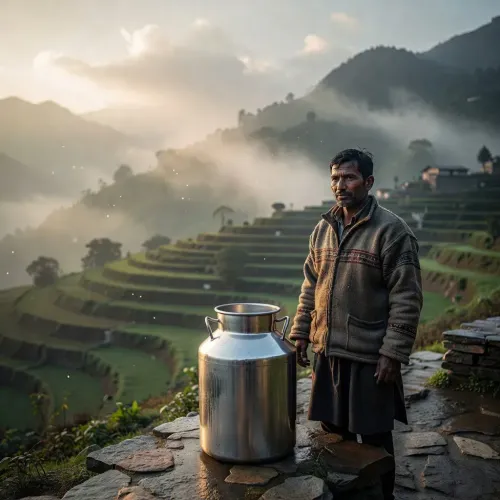
The core of the announcement is logistics. Once the Dhagwar facility is operational, dedicated milk vans will travel gaon-gaon — village to village — buying milk directly from livestock farmers. That last-mile collection model eliminates the middleman that has historically eaten into the margins of small dairy farmers in Himachal's hilly terrain. The CM urged farmers to register their milk societies immediately to be eligible for the scheme, turning what could be an administrative formality into a live call to action.
Kangra, Himachal Pradesh's largest district by area, has carried dairy activity as part of its rural economy for decades. The cooperative dairy model in the state has roots going back to the 1990s, but infrastructure investment at this scale — a dedicated processing plant rather than a simple collection centre — represents a step up in ambition. The Dhagwar unit is designed not just to absorb local milk supply, but to create a structured, predictable market for farmers who currently operate without price certainty.
The MSP link: cow-dung farming and double income
Sukhu tied the dairy push to a second, parallel income stream: MSP-based procurement of key crops grown through cow-dung or organic farming methods. The pairing is deliberate. A farmer who keeps cattle generates dung for organic inputs, sells the resulting crops at MSP, and now — through the Dhagwar plant — has a guaranteed buyer for the milk those same animals produce. 'Double income for farmers,' Sukhu said, is the explicit goal.
Across hill-state governments in India, this kind of bundled rural income strategy — combining dairy infrastructure with organic-farming incentives — has gained traction as an alternative to flat cash-transfer programmes. It bets on building a village-level economic ecosystem rather than plugging individual income gaps. The broader national push for allied agricultural activities, beyond just crop cultivation, provides a policy tailwind for announcements of this kind.
What farmers in Kangra need to do now
The immediate action point from the Kisan Samvad is registration. Farmers who want their milk picked up once the vans begin operating must register their milk societies before the scheme rolls out. Construction milestones for the Dhagwar unit and the registration drive timeline will be the two indicators to watch as this policy moves from announcement to ground reality.
For a district like Kangra — spread across vast terrain where connecting smallholder farmers to markets has always been a geographic challenge — the success of that village-to-plant supply chain will determine whether the ₹300 crore investment delivers on its headline promise of transforming rural livelihoods. The vans have been announced. Now the villages have to show up.
Point of View
However, is execution — Himachal's mountainous geography has historically made last-mile dairy logistics expensive and unreliable, and construction timelines for large agri-processing units frequently slip. If the Dhagwar plant reaches capacity and the milk-van network delivers consistent pricing, it could become a replicable model for other hill districts; if either leg falters, the 'double income' promise risks becoming a double disappointment.
NationPress
19 Nov 2026
Frequently Asked Questions
What is the Dhagwar milk processing unit in Kangra?
The Dhagwar milk processing unit is a proposed ₹300 crore dairy facility in Kangra district, Himachal Pradesh , announced by Chief Minister Sukhu. It will buy milk directly from farmers through village-level collection vans.
How can farmers register for the milk society scheme in Himachal Pradesh?
CM Sukhu has urged dairy farmers to register their milk societies to become eligible for milk procurement under the new Dhagwar plant scheme. Registrations are being encouraged ahead of the unit becoming operational.
What is the MSP benefit for cow-dung-based organic farmers in Himachal?
Farmers in Himachal Pradesh who practise cow-dung-based or organic farming will have their key crops procured at Minimum Support Price (MSP) , providing an assured income alongside the dairy milk-selling opportunity.
What was the Kisan Samvad programme in Tanda?
The Kisan Samvad programme is a farmer outreach initiative held in Tanda, Kangra , where CM Sukhu addressed dairy and agricultural farmers on 19 November 2026, announcing the Dhagwar milk unit and MSP procurement measures.
How does the Dhagwar milk plant benefit small farmers in Himachal Pradesh?
The plant's village-to-unit milk collection vans eliminate middlemen and bring purchasing directly to farmers' doorsteps, while the MSP link for organic crops creates a dual income model for livestock-owning rural households.