CM Sukhu Claims Historic BBMB Win, Eyes ₹1,000 Cr Annual Gain
Synopsis
CM Sukhvinder Singh Sukhu declared a 'historic' BBMB victory on 7 November 2026, saying Himachal Pradesh could earn ₹500 crore annually selling power at ₹6 per unit — with a target of ₹1,000 crore through a better deal. He called it the government's fourth major win in four years.
Key Takeaways
CM Sukhu announced a 'historic victory' in the BBMB dispute on 7 November 2026 from Oak Over, Shimla.
Himachal Pradesh could earn approximately ₹500 crore per year if power is sold at ₹6 per unit under the new terms.
Sukhu's stated goal is to push annual earnings to ₹1,000 crore through a 'better agreement.' The government claims this is the fourth major win in legal and political battles over state resources in under four years.
The BBMB , constituted under the Punjab Reorganisation Act 1966, manages Bhakra Nangal and Beas projects whose dams sit within Himachal Pradesh's territory.
Exact terms of the victory have not yet been formally notified by BBMB; the projected revenue depends on follow-up agreements.
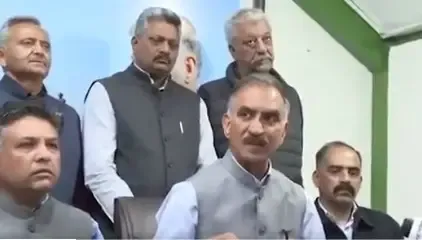
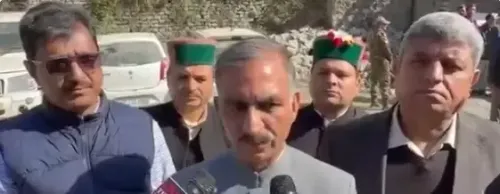
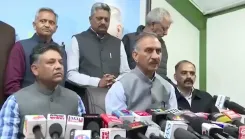
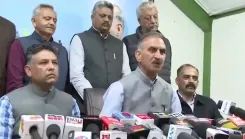
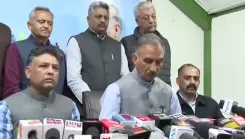
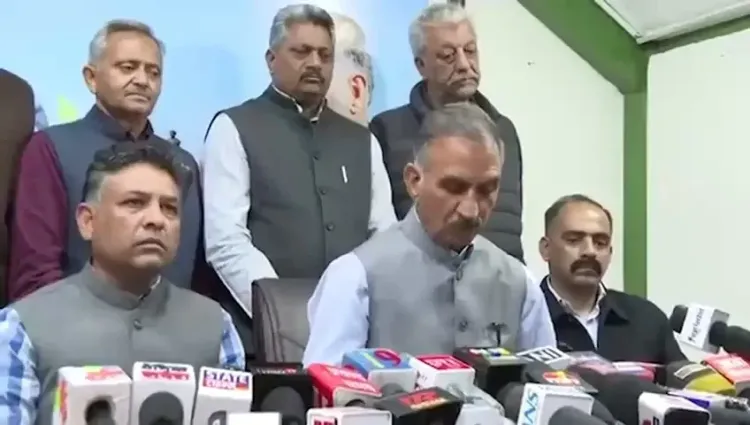
A decades-old federal battle over river-basin power just tilted — at least on paper — in Himachal Pradesh's favour. Himachal Pradesh Chief Minister Sukhvinder Singh Sukhu announced on Saturday, 7 November 2026, that the state has secured what he called a 'historic victory' in the long-running dispute with the Bhakra Beas Management Board (BBMB), claiming it is the fourth major win his government has delivered in under four years.
What the BBMB Dispute Is Actually About
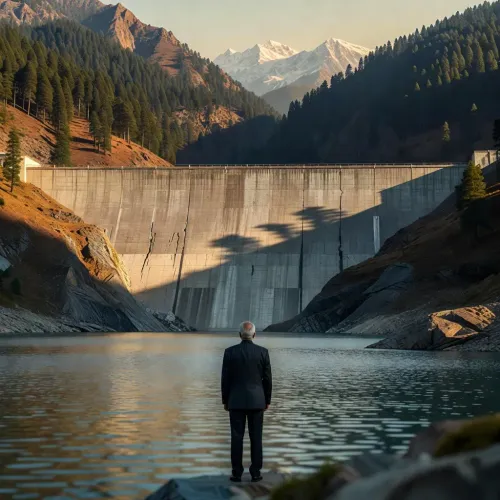
The Bhakra Beas Management Board was constituted under the Punjab Reorganisation Act, 1966, to manage the Bhakra Nangal and Beas projects — massive dams that sit largely within Himachal Pradesh's territory but generate power distributed primarily among Punjab, Haryana, and Rajasthan. Himachal Pradesh has, for decades, argued that the state hosting the dams and bearing their ecological and social costs deserves a far larger share of the electricity and revenue they generate.
Successive state governments have filed legal petitions and pressed political negotiations since the 1980s, securing incremental gains each time but never a definitive settlement. The core grievance has remained the same: power flows downstream, but the mountains carry the burden.
The Numbers Sukhu Is Putting on the Table
In his post from Oak Over, Shimla — the Chief Minister's official residence — Sukhu put a concrete figure on what this victory means for the state treasury. If Himachal Pradesh sells its share of power at ₹6 per unit, the state stands to gain approximately ₹500 crore every year. That alone would be a significant addition to a hill-state budget perennially stretched by terrain, infrastructure costs, and disaster relief.
But Sukhu is not stopping there. He said his government is working toward a 'better agreement' that could push annual earnings to ₹1,000 crore — effectively doubling the projected benefit. The difference between those two numbers is the next negotiation.
A Pointed Message to Political Opponents
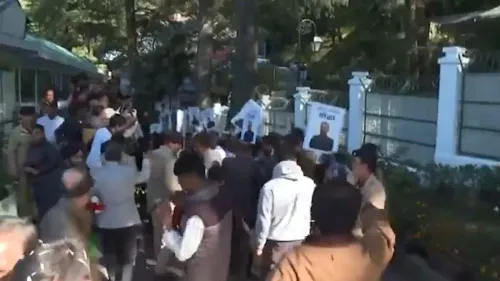
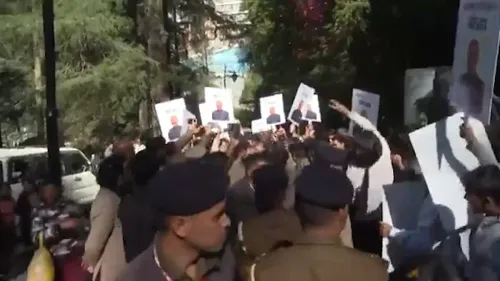
The announcement carried an unmistakable edge. Sukhu acknowledged that 'some people oppose every issue,' but said in a democracy, opposition is a healthy tradition — 'lekeen jab baat pradesh ke haq ki ho' (but when it concerns the state's rightful claim), political rivals ought to stand with the government rather than against it. The appeal to cross-party solidarity on a state-interest issue is a classic move: it frames the opposition's criticism as being against Himachal Pradesh itself, not merely against the ruling Congress.
He framed the win as the product of 'firm will and resolve' across both political and legal fronts — a narrative that positions his administration as a fighter government that has delivered where predecessors could not.
What Still Needs to Happen
The critical caveat: the exact terms of the victory have not yet been formally notified by the BBMB, and the specific nature of this fourth win — like the three prior ones — has not been independently confirmed from public records. The real test will come when the BBMB issues revised tariff or allocation orders and the projected ₹500 crore begins showing up in actual budgetary inflows. A claimed win in a board meeting and a signed, enforceable agreement are two very different things in India's river-basin governance history.
If Sukhu's government can convert this announcement into hard revenue — and then push negotiations to the ₹1,000 crore mark — it would mark a genuine turning point in one of India's most persistent federal resource disputes. The mountain state is watching the paperwork.
Point of View
000 crore revenue range is politically significant because Himachal Pradesh's finances have been under pressure, and hydropower revenue offers a rare avenue for non-debt fiscal relief. However, the gap between a claimed board-level victory and an enforceable, revenue-generating agreement is where similar announcements have historically stalled. If the paperwork follows, it reshapes the state's fiscal position; if it doesn't, it becomes campaign rhetoric.
NationPress
7 Nov 2026
Frequently Asked Questions
What is the BBMB and why does Himachal Pradesh have a dispute with it?
The Bhakra Beas Management Board (BBMB) is a statutory body set up under the Punjab Reorganisation Act, 1966, to manage major dams including Bhakra Nangal and Beas projects. Since the dams sit within Himachal Pradesh but distribute power mainly to Punjab, Haryana, and Rajasthan, Himachal has long demanded a larger share of the power and revenue generated.
How much money will Himachal Pradesh earn from the BBMB victory?
CM Sukhu stated that selling power at ₹6 per unit would generate approximately ₹500 crore annually for the state. He added that his government is targeting ₹1,000 crore per year through a better negotiated agreement.
Is the BBMB victory officially confirmed?
CM Sukhu announced the win publicly on 7 November 2026, but the exact terms have not yet been formally notified by the BBMB. The projected revenue will materialise only after revised tariff or allocation orders are signed and implemented.
What are the four major wins Sukhu is referring to?
CM Sukhu described this BBMB outcome as the fourth major victory for his government in legal and political battles over state resources in nearly four years in office. The specific nature of the three prior wins has not been independently confirmed from public records.
What did Sukhu say to the political opposition about the BBMB issue?
Sukhu acknowledged that opposition is a healthy democratic tradition, but urged critics to stand with the state government when the fight concerns Himachal Pradesh's rightful share of resources, rather than opposing the effort on political grounds.