CM Sukhu eyes Pangi Valley as sustainable farming model
Synopsis
Chief Minister Sukhvinder Singh Sukhu has stated that Pangi Valley in Chamba district should emerge as an inspiring model of progress, prosperity, and sustainable agriculture, signalling the Himachal government's intent to prioritise this remote tribal region.
Key Takeaways
CM Thakur Sukhvinder Singh Sukhu declared on 23 July 2026 that Pangi Valley should become a model of progress, prosperity, and sustainable agriculture.
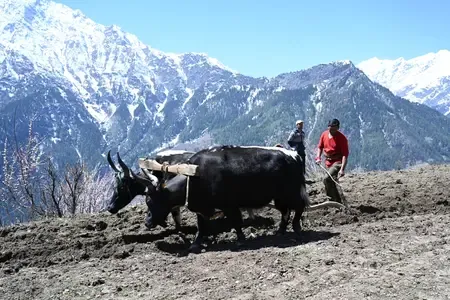
Pangi Valley is a geographically isolated tribal valley in Chamba district , Himachal Pradesh, historically dependent on subsistence farming.
The Sukhu government has emphasised rural and tribal development since taking office in December 2022 .
Himachal Pradesh has promoted natural and organic farming in high-altitude tribal areas since at least 2016 .
No specific scheme or budget allocation was announced alongside the statement; follow-up policy action is awaited.
The vision aligns with national policy on climate-resilient agriculture in ecologically fragile Himalayan zones.
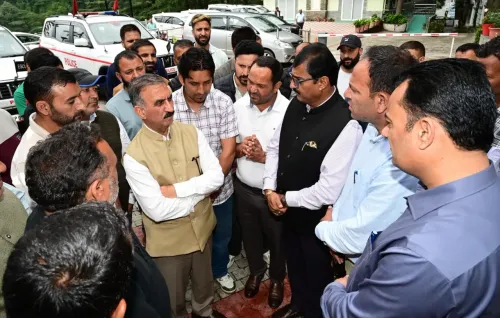
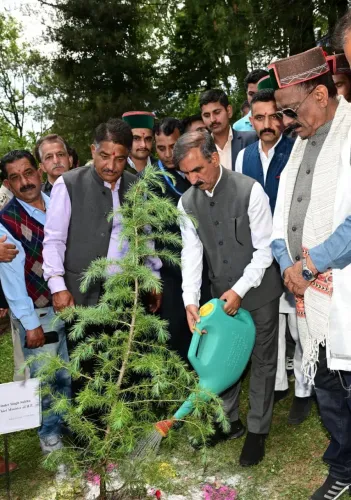
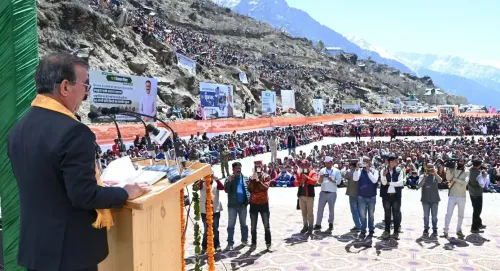
The Chief Minister's Office of Himachal Pradesh, on Thursday, 23 July 2026, shared a statement from Chief Minister Thakur Sukhvinder Singh Sukhu expressing the state government's intent to develop Pangi Valley into an inspirational model of progress, prosperity, and sustainable agriculture.
In the post, CM Sukhu stated — 'Hamara prayas hai ki Pangi pragati, samridhi tatha satat krishi ka prerak model bankar ubhre' — ('Our endeavour is that Pangi emerges as an inspiring model of progress, prosperity, and sustainable agriculture.')
Context
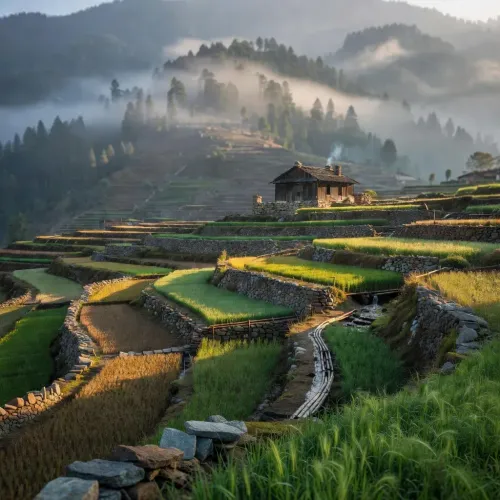
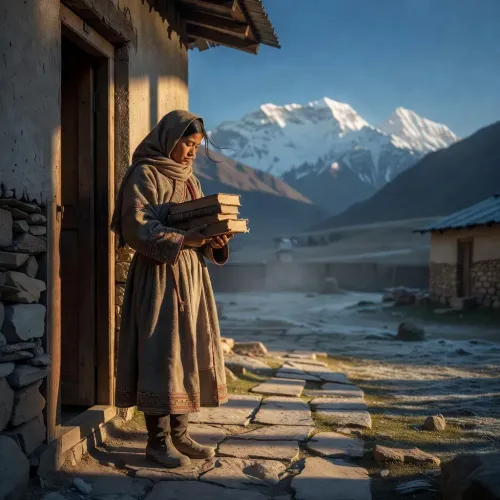
Pangi Valley, nestled in the remote Chamba district of Himachal Pradesh, is a geographically isolated tribal valley that has historically depended on subsistence agriculture. Connectivity constraints, harsh winters, and limited access to markets have long restricted the valley's economic potential, making it one of the more underserved regions in the state.
The statement reflects the Sukhu-led government's continued emphasis on bringing tribal and hill communities into the mainstream of the state's development agenda since it assumed office in December 2022.
Policy Backdrop
Himachal Pradesh governments have promoted natural and organic farming practices in tribal and high-altitude areas since at least 2016, recognising that chemical-intensive agriculture is both ecologically damaging and economically unsustainable in fragile Himalayan zones. Successive administrations have linked irrigation upgrades, crop diversification, and connectivity investments to such remote valleys.
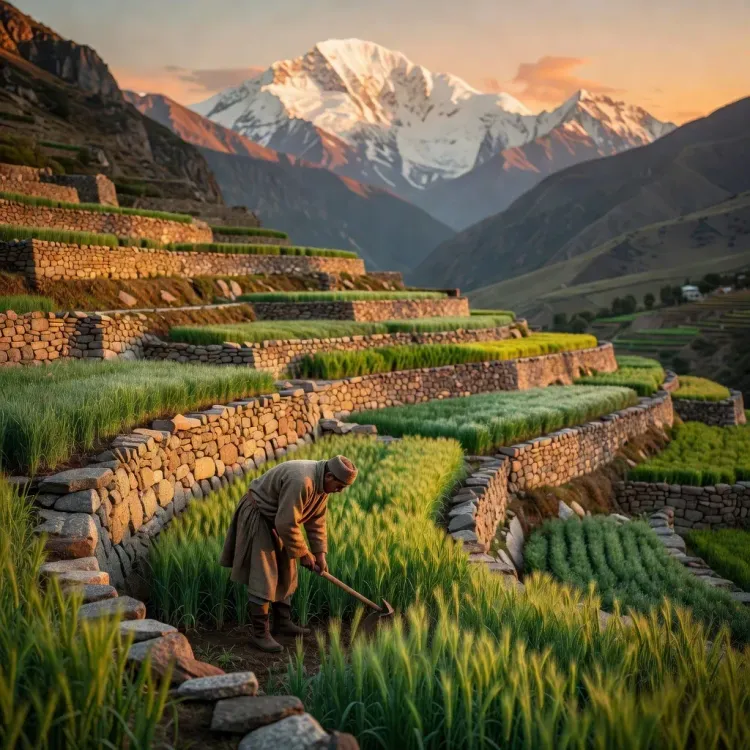
This approach aligns with national policy emphases on climate-resilient agriculture in ecologically sensitive areas, where low productivity and climate vulnerability compound each other. Pangi's high altitude and short cultivation season make it a test case for whether sustainable farming models can be viable under extreme conditions.
Stakeholders and Impact
The primary beneficiaries of any concerted push in Pangi would be its farming communities and tribal population, who currently face limited income diversification options. A successful model here could also yield lessons applicable to similarly isolated valleys across Himachal Pradesh and the broader western Himalayan region.
Beyond farmers, the vision touches on rural infrastructure, local governance capacity, and the preservation of traditional agricultural knowledge — all of which would need coordinated state support to translate the stated aspiration into measurable outcomes.
What's Next
The statement, as shared by the Chief Minister's Office, articulates an aspiration rather than announcing a specific scheme or budget allocation. Observers will watch for follow-up announcements detailing pilot projects, financial outlays, or inter-departmental coordination mechanisms targeted at Pangi Valley.
If the government moves from vision to programme, it would mark a significant step in Himachal Pradesh's effort to make its most remote tribal pockets active participants in — rather than bystanders to — the state's agricultural and economic development story.
Point of View
A constituency that successive governments have promised much but delivered inconsistently. The statement fits a broader pattern of the Congress-led government in Shimla seeking to differentiate itself through a rural-first, sustainability-oriented narrative. However, without accompanying scheme announcements or budget lines, such statements risk being read as aspirational rhetoric rather than actionable policy. The real test will be whether Pangi receives dedicated programme funding in the next state budget cycle.
NationPress
23 Jul 2026
Frequently Asked Questions
What did CM Sukhu say about Pangi Valley?
Chief Minister Sukhvinder Singh Sukhu stated that the government's endeavour is to make Pangi Valley an inspiring model of progress, prosperity, and sustainable agriculture.
Where is Pangi Valley located?
Pangi Valley is located in Chamba district of Himachal Pradesh , in the western Himalayas. It is a remote, high-altitude tribal valley known for its geographic isolation.
What is the current focus of Himachal Pradesh on tribal agriculture?
Himachal Pradesh has been promoting natural and organic farming in tribal and high-altitude areas since at least 2016, with successive governments linking connectivity, irrigation, and crop diversification to remote valleys like Pangi.
Has any specific scheme been announced for Pangi Valley?
As of the 23 July 2026 statement, no specific scheme or budget allocation for Pangi Valley was announced. The Chief Minister's statement articulates a vision, and follow-up policy action is awaited.
Why is sustainable agriculture important for Pangi Valley?
Pangi Valley's high altitude, short cultivation season, and geographic isolation make it vulnerable to climate stress and low productivity. Sustainable farming practices are seen as essential to improve livelihoods while protecting the fragile Himalayan ecosystem.