CM Uttarakhand: Badrinath Dham sees surge in pilgrims
Synopsis
The Chief Minister's Office of Uttarakhand on 23 June 2026 highlighted a surge of devotees at Badrinath Dham in Chamoli district, declaring that the annual Char Dham Yatra has gathered momentum. The high-altitude Vishnu shrine draws millions of pilgrims each season between May and November.
Key Takeaways
The Chief Minister's Office of Uttarakhand posted on 23 June 2026 about heavy pilgrim footfall at Badrinath Dham .
Badrinath is located at 3,100 metres in Chamoli district and is one of four sites on the Char Dham Yatra circuit.
The Char Dham Yatra season runs from May to November and draws millions of Hindu devotees annually.
The Char Dham National Highway project , approved in 2016 , has improved road access to all four pilgrimage sites.
Post- 2013 floods, the state introduced mandatory pilgrim registration and enhanced rescue infrastructure along the yatra route.
Local traders and the broader Uttarakhand economy depend significantly on the pilgrimage season for seasonal revenue.
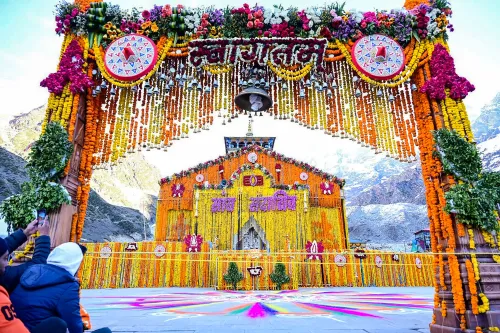
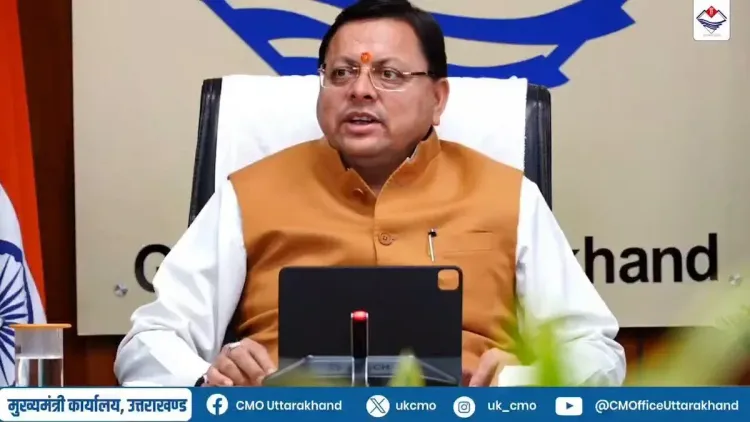
The Chief Minister's Office of Uttarakhand on Tuesday, 23 June 2026 shared visuals of a massive gathering of devotees at Badrinath Dham, announcing that the Char Dham Yatra has picked up significant momentum at one of Hinduism's most revered shrines.
The official post, captioned 'Aastha ke kendra Shri Badrinath Dham mein bhakton ka sailaab, yatra ne pakdi raftaar' ('A flood of devotees at the sacred Badrinath Dham, the pilgrimage has gathered pace'), captures the scale of footfall at the high-altitude temple in Chamoli district.
Context
Badrinath Dham, situated at an elevation of 3,100 metres in the Chamoli district of Uttarakhand, is one of the four sites on the annual Char Dham Yatra circuit — alongside Kedarnath, Gangotri, and Yamunotri. The pilgrimage season runs between May and November each year, drawing millions of Hindu devotees from across India and abroad. The shrine is dedicated to Lord Vishnu and is managed by a designated temple committee.
Policy Backdrop
The Uttarakhand government has over successive years invested in infrastructure to support the Char Dham circuit. The Char Dham National Highway project, approved in 2016, aimed at widening the road network connecting all four pilgrimage sites, reducing travel time and improving safety for pilgrims. Following the devastating 2013 Kedarnath floods, the state introduced mandatory pilgrim registration and strengthened search-and-rescue infrastructure along the entire yatra route.
The Uttarakhand government has consistently used official channels to highlight pilgrim activity at major shrines, positioning religious tourism as a cornerstone of the hill state's seasonal economy. Successive administrations have paired infrastructure upgrades with outreach to sustain and grow footfall on the Char Dham circuit.
Stakeholders and Impact
The surge in devotees at Badrinath has direct economic implications for Chamoli district, where local traders, hoteliers, transport operators, and priests depend heavily on the pilgrimage season for their livelihoods. The Char Dham Yatra remains the single largest organised religious movement in the Indian Himalayas, and a strong season translates into significant revenue for the state exchequer through tourism levies and allied services. Pilgrims travelling from distant states also contribute to transport and hospitality sectors along the entire route.
What's Next
Observers will watch for the release of official 2026 Char Dham Yatra registration and footfall figures by the Uttarakhand Tourism Development Board, which typically publishes periodic updates through the season. Any announcements regarding the proposed ropeway project at Badrinath — intended to ease the final stretch of the journey for elderly and differently-abled pilgrims — will also be closely tracked. With the yatra now described as having 'gathered pace', the coming weeks are expected to see peak pilgrim density at all four dhams.
Point of View
Blending faith with fiscal strategy. By foregrounding devotee crowds, the administration signals that infrastructure investments — from highway widening to rescue systems — are yielding returns in pilgrim confidence. The broader arc here is one of competitive religious-tourism governance, where hill states increasingly measure policy success through shrine footfall.
NationPress
23 Jun 2026
Frequently Asked Questions
When does the Char Dham Yatra 2026 season run?
The Char Dham Yatra 2026 season runs from May to November, with peak footfall typically occurring in June and July.
Where is Badrinath Dham located?
Badrinath Dham is located at an altitude of 3,100 metres in the Chamoli district of Uttarakhand, in the Indian Himalayas.
Which four sites are part of the Char Dham Yatra?
The four sites are Badrinath, Kedarnath, Gangotri, and Yamunotri, all located in Uttarakhand.
Is registration mandatory for the Char Dham Yatra?
Yes, mandatory pilgrim registration was introduced by the Uttarakhand government following the 2013 Kedarnath floods as a safety measure.
What is the Char Dham National Highway project?
The Char Dham National Highway project, approved in 2016, is a central government initiative to widen roads connecting the four Char Dham pilgrimage sites to improve access and safety for pilgrims.