CM Yogi Extends Cashless Health Cover to UP's 12 Lakh Teachers
Synopsis
The Chief Minister's Office of Uttar Pradesh says the Mukhyamantri Shikshak Cashless Chikitsa Yojana is providing up to ₹5 lakh in cashless health cover to 12 lakh teachers, Shiksha Mitras, cooks, wardens, and their dependents across the state's basic and secondary education departments.
Key Takeaways
The Mukhyamantri Shikshak Cashless Chikitsa Yojana offers cashless hospitalisation cover of up to ₹5 lakh per beneficiary.
An estimated 12 lakh teachers and non-teaching staff, along with their dependents, are covered under the scheme.
Beneficiaries include teachers, Shiksha Mitras, instructors, cooks, and wardens from both basic and secondary education departments in Uttar Pradesh .
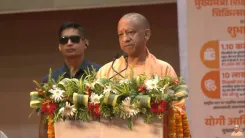
Chief Minister Yogi Adityanath personally congratulated all enrolled beneficiaries in the official post dated 8 July 2026 .
The scheme is part of UP's broader strategy to reduce out-of-pocket medical costs for government employees through empanelled hospital networks.
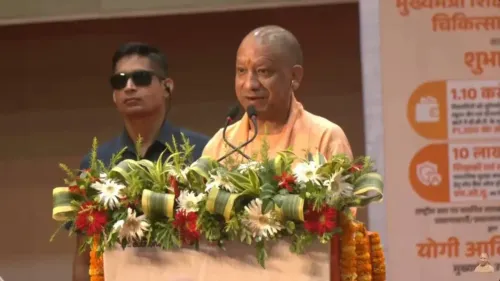
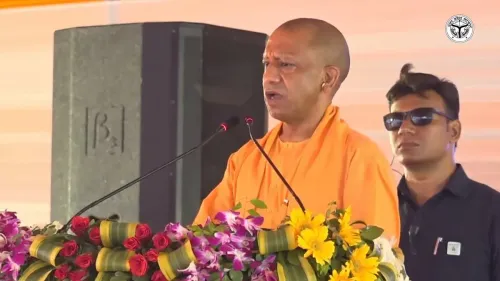
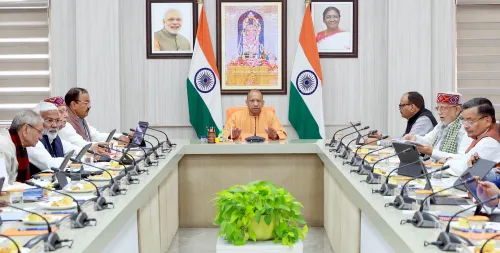
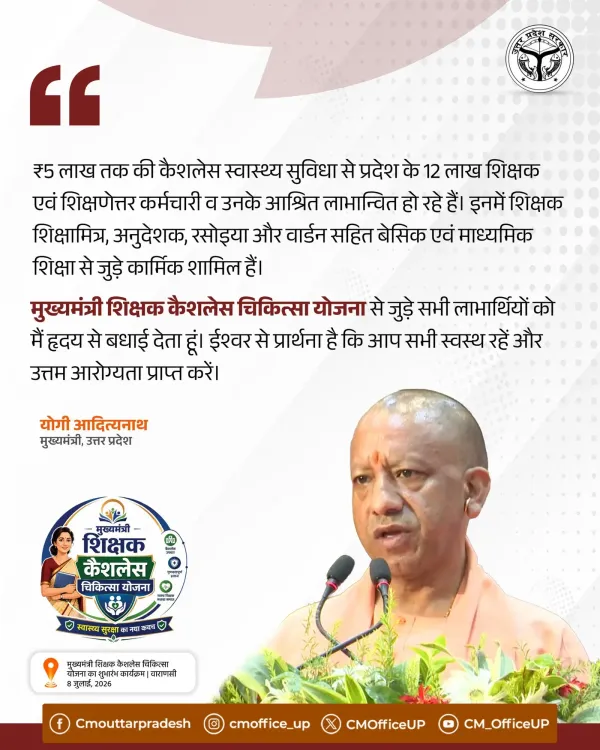
The Chief Minister's Office of Uttar Pradesh announced on Wednesday, 8 July 2026 that the state's Mukhyamantri Shikshak Cashless Chikitsa Yojana is providing cashless medical coverage of up to ₹5 lakh to an estimated 12 lakh teachers and non-teaching staff — along with their dependents — employed across the basic and secondary education sectors.
Context
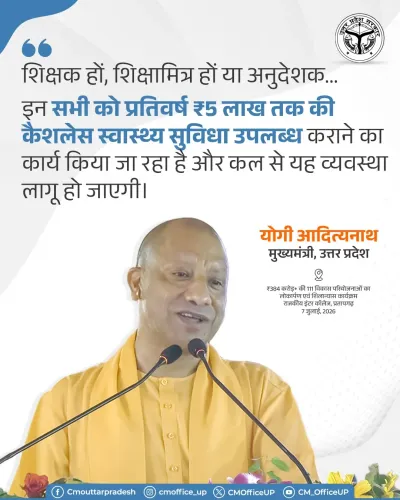
The post, shared from the official CMO handle and attributed to Chief Minister Yogi Adityanath, states in Hindi: '₹5 लाख तक की कैशलेस स्वास्थ्य सुविधा से प्रदेश के 12 लाख शिक्षक एवं शिक्षणेत्तर कर्मचारी व उनके आश्रित लाभान्वित हो रहे हैं' — 'Up to ₹5 lakh in cashless health facilities are benefiting 12 lakh teachers and non-teaching staff of the state and their dependents.' The beneficiaries explicitly named include teachers, Shiksha Mitras, instructors, cooks, and wardens attached to both the basic and secondary education departments.
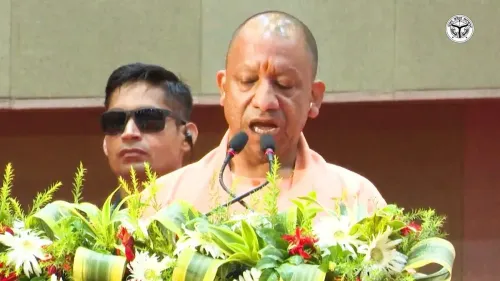
The Chief Minister personally extended congratulations to all beneficiaries enrolled under the scheme, writing: 'मुख्यमंत्री शिक्षक कैशलेस चिकित्सा योजना से जुड़े सभी लाभार्थियों को मैं हृदय से बधाई देता हूं' — 'I wholeheartedly congratulate all beneficiaries associated with the Mukhyamantri Shikshak Cashless Chikitsa Yojana.' He added a prayer for the good health of all recipients.
Policy Backdrop
Uttar Pradesh, India's most populous state, has progressively expanded occupation-specific cashless health cover for organised government employee groups since the broader rollout of Ayushman Bharat-linked facilities beginning in 2018. The Mukhyamantri Shikshak Cashless Chikitsa Yojana is part of a wider state strategy to reduce out-of-pocket medical expenditure for public servants through networks of empanelled hospitals.
Across India, state governments have increasingly supplemented central health programmes with sector-specific schemes. Uttar Pradesh has applied this model to the education workforce as well as to departments such as police and others, reflecting a pattern of layered social security for government employees.
Stakeholders and Impact
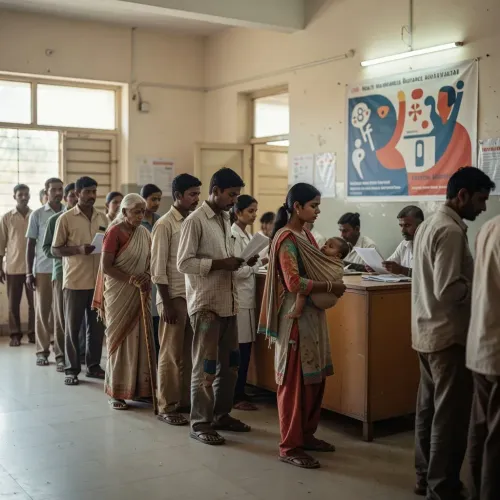
The scheme's reach is notably broad: beyond regular teachers, it covers Shiksha Mitras — para-teachers who form a significant portion of the state's primary education delivery system — as well as instructors, cooks, and wardens, categories that are often excluded from mainstream employee benefit programmes. Their dependents are also covered, amplifying the scheme's household-level impact.
For a state with one of the largest public education workforces in the country, cashless hospitalisation access at empanelled facilities can meaningfully lower the financial burden of serious illness, particularly in districts where private medical costs are prohibitive.
What's Next
Observers will watch Uttar Pradesh's state budget allocations in coming cycles to assess whether funding for the scheme is renewed and expanded. Questions also remain open on whether the ₹5 lakh annual cover ceiling will be revised upward, and whether additional government departments beyond education will be brought under similar cashless health arrangements. Any government order extending or modifying the scheme's scope will be a key signal of the administration's long-term commitment to employee welfare.
Point of View
Targeting a politically significant constituency of over 12 lakh education workers. The explicit inclusion of Shiksha Mitras, cooks, and wardens signals an effort to reach beyond the salaried teacher class to more precarious categories of education staff. Nationally, this mirrors a trend of state governments using sector-targeted health schemes to fill gaps left by universal programmes, effectively creating layered entitlements. The durability of such schemes, however, will ultimately depend on consistent budget allocations and the administrative capacity of empanelled hospital networks to service beneficiaries across UP's vast geography.
NationPress
8 Jul 2026
Frequently Asked Questions
What is the Mukhyamantri Shikshak Cashless Chikitsa Yojana?
The Mukhyamantri Shikshak Cashless Chikitsa Yojana is a Uttar Pradesh government scheme that provides cashless hospitalisation cover of up to ₹5 lakh to teachers and non-teaching staff in the state's basic and secondary education departments, along with their dependents.
Who is eligible for the UP teacher cashless health scheme?
Eligible beneficiaries include regular teachers, Shiksha Mitras, instructors, cooks, and wardens employed in Uttar Pradesh's basic and secondary education departments, as well as their dependents.
How many people benefit from the UP cashless health scheme for teachers?
According to the Chief Minister's Office of Uttar Pradesh, around 12 lakh teachers and non-teaching staff, along with their dependents, are benefiting from the scheme.
What is the maximum cover under the Mukhyamantri Shikshak Cashless Chikitsa Yojana?
The scheme provides cashless medical coverage of up to ₹5 lakh per beneficiary for hospitalisation at empanelled hospitals.
Is the UP teacher health scheme linked to Ayushman Bharat?
The scheme is a state-specific initiative by the Uttar Pradesh government. Uttar Pradesh expanded cashless health coverage for organised employee groups after the 2018 rollout of Ayushman Bharat-linked facilities, but the Mukhyamantri Shikshak Cashless Chikitsa Yojana is a separate, occupation-specific programme.