CM Yogi Links Girls' Education to UP's Prosperity
Synopsis
Uttar Pradesh Chief Minister Yogi Adityanath on 26 July 2026 declared that educating daughters builds family self-reliance and shapes the state's destiny, reinforcing the BJP government's girl-child education agenda backed by the Kanya Sumangala Yojana and Beti Bachao Beti Padhao schemes.
Key Takeaways
CM Yogi Adityanath posted on 26 July 2026 linking girls' education directly to family self-reliance and Uttar Pradesh 's development.
The Hindi phrase bhaagya (destiny) signals the government frames female education as a civilisational, not merely a welfare, priority.
The Kanya Sumangala Yojana , launched in 2019 , provides staged financial support tied to a girl's birth, immunisation, schooling, and higher education up to age 18 .
The central Beti Bachao Beti Padhao scheme, active since 2015 , remains a parallel pillar targeting child sex ratio improvement and girls' enrolment in Uttar Pradesh .
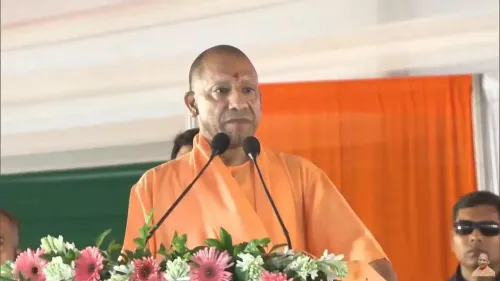
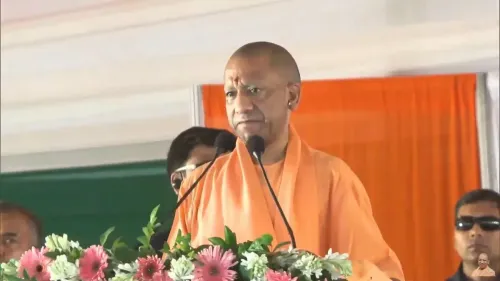
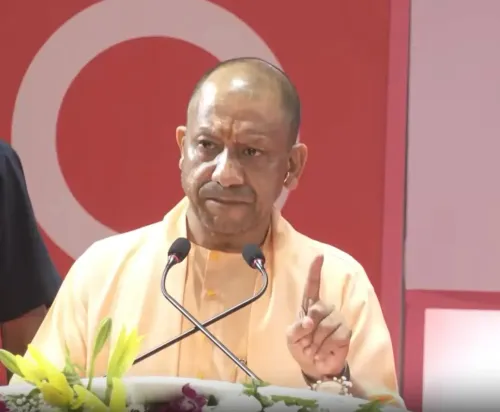
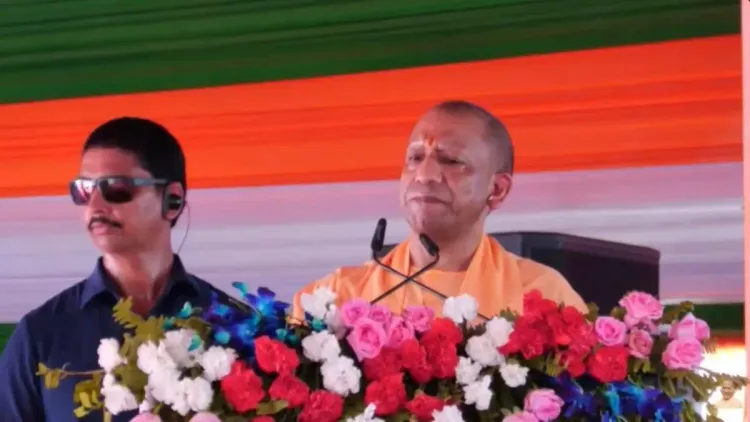
The post was accompanied by a video, suggesting a possible programmatic or event-linked context yet to be confirmed.
Next indicators to watch include annual female literacy data and potential budget expansions for girl-child schemes in Uttar Pradesh .
Uttar Pradesh Chief Minister Yogi Adityanath on Sunday, 26 July 2026, took to X to assert that educating girls is fundamental to building self-reliant families and shaping the future of Uttar Pradesh. The post, written in Hindi, frames girls' education not merely as a social goal but as a driver of the state's overall development.
In his post, CM Yogi wrote: 'Beti padhegi toh parivaar mein swavalamban ka aadarsh prastut karegi aur Uttar Pradesh ka 'bhaagya' bhi banaegi' — meaning, 'When a daughter is educated, she will set an example of self-reliance within the family and will also shape the destiny of Uttar Pradesh.' The choice of the word bhaagya (destiny or fortune) signals the government's framing of female education as a civilisational investment, not merely a welfare measure.
Context
The statement arrives against the backdrop of sustained state and central government efforts to raise female literacy and school enrolment across Uttar Pradesh, India's most populous state. Yogi Adityanath has led the state since 2017, during which period the government has repeatedly cited girls' education as a pillar of its social-welfare agenda. The post accompanies a video, suggesting it may be tied to a specific event, programme review, or outreach initiative, though the precise trigger has not been confirmed.
Policy Backdrop
Two flagship schemes underpin the state's girl-child education push. The central government's Beti Bachao Beti Padhao scheme, launched in 2015, was designed to address a declining child sex ratio and encourage girls' schooling across India, with Uttar Pradesh being one of its key implementation states. Building on that foundation, the Uttar Pradesh government introduced the Kanya Sumangala Yojana in 2019, which provides staged financial assistance to families linked to a girl's birth, immunisation, school enrolment, and progression to higher education up to the age of 18.
Together, these schemes reflect a layered policy architecture that ties financial incentives directly to educational milestones, aiming to reduce dropout rates and improve long-term outcomes for girls in the state.
Stakeholders and Impact
The primary beneficiaries of this messaging and the schemes it references are girl students and women across Uttar Pradesh, particularly from economically vulnerable households where financial constraints historically pushed girls out of school early. Families enrolled under the Kanya Sumangala Yojana receive support at each stage of a daughter's development, reducing the economic burden that often discourages continued education.
The broader implication of CM Yogi's framing is demographic and economic: a more educated female population is expected to raise household incomes, improve health outcomes, and contribute to the formal workforce — outcomes the state government has consistently linked to Uttar Pradesh's development trajectory under the BJP.
What's Next
Observers will watch for the annual report on female literacy and school enrolment figures in Uttar Pradesh, which typically informs fresh budget allocations or expansions under existing girl-child schemes. Any announcement of enhanced benefits under the Kanya Sumangala Yojana or a new phase of Beti Bachao Beti Padhao implementation in the state would represent the next concrete policy step aligned with this messaging. The video attached to the post may also provide additional programmatic details once reviewed in full context.
Point of View
The messaging elevates the issue beyond scheme-level welfare into a broader civilisational argument — a rhetorical move that has become characteristic of the state government's social-sector communication. The post also reinforces the political logic of the Kanya Sumangala Yojana as a flagship differentiator for the BJP in a state where female literacy gaps remain a live electoral and developmental concern. Whether this statement precedes a fresh policy announcement or is routine reinforcement will become clearer when the accompanying video and any subsequent government orders are examined.
NationPress
26 Jul 2026
Frequently Asked Questions
What did CM Yogi Adityanath say about girls' education on 26 July 2026?
CM Yogi Adityanath posted on X that when a daughter is educated, she sets an example of self-reliance in her family and shapes the destiny of Uttar Pradesh.
What is the Kanya Sumangala Yojana?
The Kanya Sumangala Yojana is a Uttar Pradesh government scheme launched in 2019 that provides staged financial assistance to families for a girl child's birth, immunisation, school enrolment, and higher education up to the age of 18.
What is Beti Bachao Beti Padhao?
Beti Bachao Beti Padhao is a national scheme launched in 2015 to address the declining child sex ratio and promote the education and empowerment of girls across India, including in Uttar Pradesh.
How is Uttar Pradesh working to improve female literacy?
Uttar Pradesh runs the Kanya Sumangala Yojana alongside the central Beti Bachao Beti Padhao scheme, offering financial incentives at each stage of a girl's education to reduce dropout rates and improve long-term outcomes.
Why does CM Yogi emphasise girls' education for UP's development?
The BJP government in Uttar Pradesh frames girls' education as an economic and demographic dividend — an educated female population is expected to raise household incomes, improve health outcomes, and contribute to the formal workforce, all of which the state links to its broader development goals.