CM Yogi pays tribute to revolutionary Batukeshwar Dutt on birth anniversary
Synopsis
Uttar Pradesh Chief Minister Yogi Adityanath paid tribute to revolutionary Batukeshwar Dutt on his birth anniversary, recalling Dutt's legendary 1929 Central Legislative Assembly action alongside Bhagat Singh and his lifelong sacrifice for Indian independence.
Key Takeaways
CM Yogi Adityanath posted a birth-anniversary tribute to revolutionary Batukeshwar Dutt on 18 November 2026 .
Dutt, a member of the Hindustan Socialist Republican Association (HSRA) , threw bombs in the Central Legislative Assembly alongside Bhagat Singh on 8 April 1929 .
The action was designed to protest the Public Safety Bill and the Trade Disputes Bill , with both men courting arrest to publicise their cause.
Dutt was sentenced to transportation for life, spending years in the Andaman Islands before his eventual release; he lived until 1965 .
CM Yogi described Dutt's courage, national devotion, and sacrifice as an enduring source of inspiration for all Indians.
A bomb in the Central Legislative Assembly, a defiant slogan, and a life surrendered to the cause of freedom — the story of Batukeshwar Dutt is one of colonial India's most electrifying acts of resistance. On Wednesday, 18 November 2026, Uttar Pradesh Chief Minister Yogi Adityanath paid homage to the revolutionary on his birth anniversary, calling him an emblem of indomitable courage and national devotion.
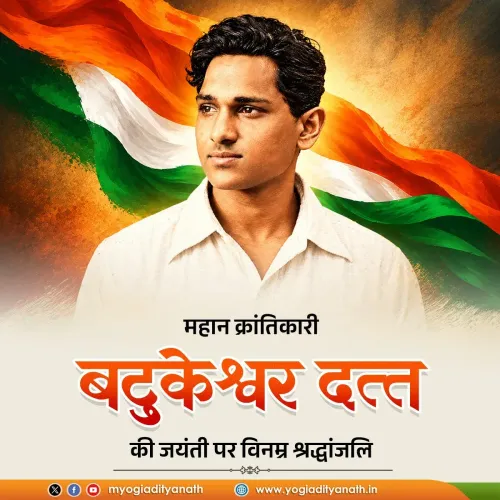
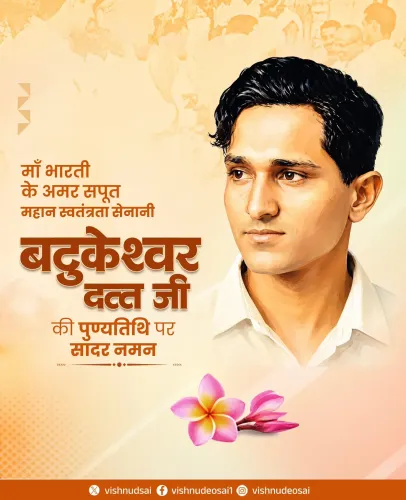
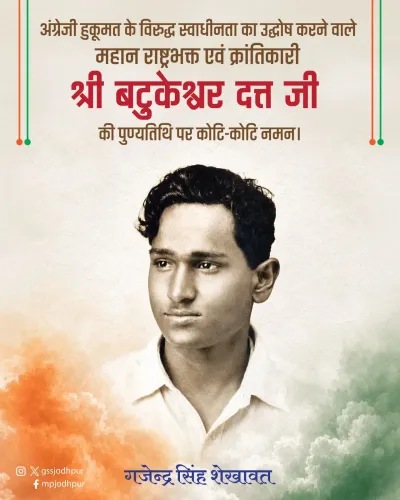
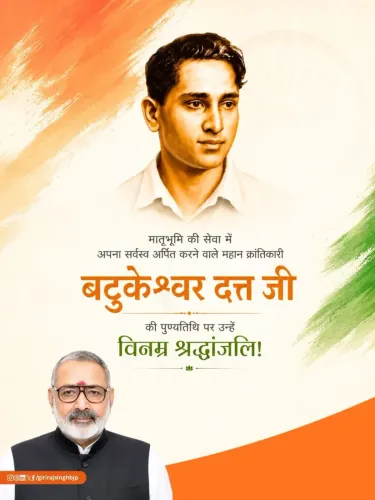
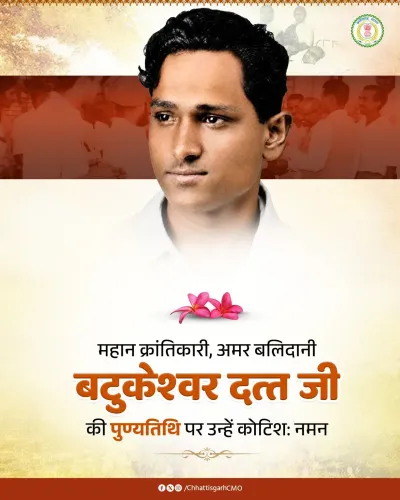
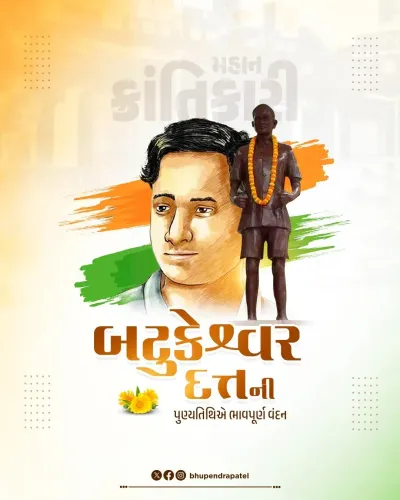
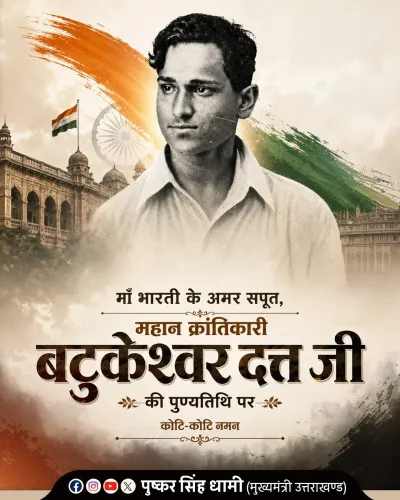
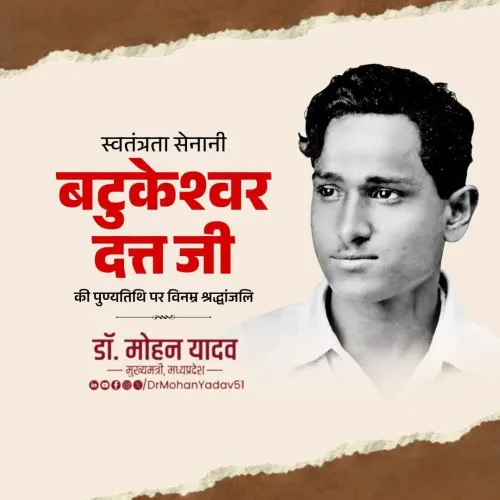
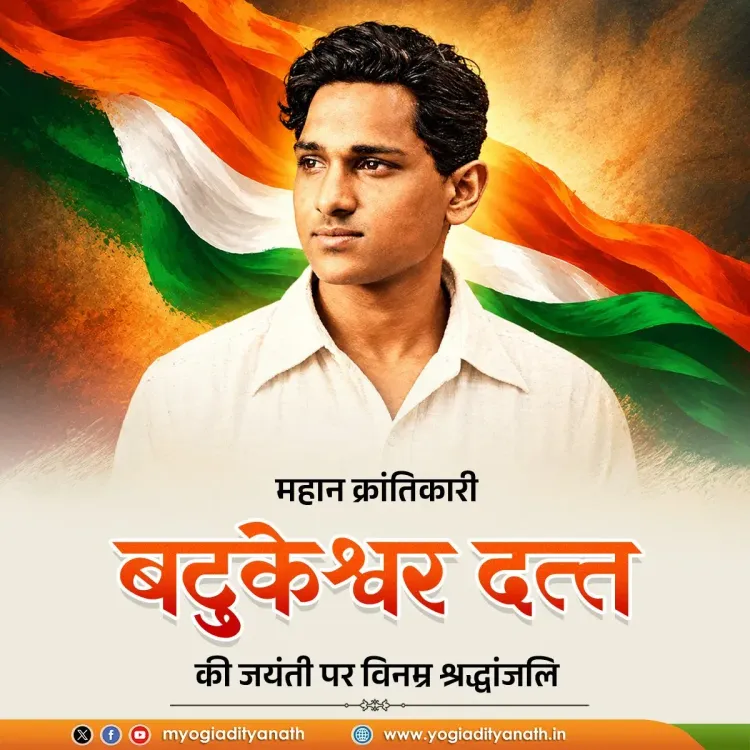
Posting on X in Hindi, CM Yogi wrote: 'महान क्रांतिकारी बटुकेश्वर दत्त की जयंती पर विनम्र श्रद्धांजलि।' ('Humble tribute on the birth anniversary of the great revolutionary Batukeshwar Dutt.') He added that Dutt had proclaimed the spirit of revolutionary consciousness against British rule by offering everything for the freedom of Maa Bharati — Mother India — and that his fearlessness, patriotism, and sacrifice would continue to inspire the nation's citizens forever.
The 1929 Assembly action that shook British India
Batukeshwar Dutt's name is inseparable from one of the most audacious moments in India's independence movement. On 8 April 1929, Dutt and Bhagat Singh — both members of the Hindustan Socialist Republican Association (HSRA) — threw low-intensity bombs and showered leaflets from the visitors' gallery of the Central Legislative Assembly in Delhi. The act was deliberately calibrated to cause noise and disruption, not casualties; the goal was to 'make the deaf hear,' as the accompanying pamphlet declared.
Both men stood their ground and courted arrest, turning the subsequent trial into a public platform for anti-colonial argument. While Bhagat Singh was eventually hanged in 1931, Dutt was sentenced to transportation for life and endured years of imprisonment — first on the Andaman Islands and later in jails on the mainland. He survived independence, living until 1965, but spent much of his post-independence life in relative obscurity, a contrast that has been noted in historical accounts of the revolutionary generation.
A pattern of remembrance — and what it signals
CM Yogi's tribute follows a well-established practice among Indian political leaders of marking the birth anniversaries of independence-era revolutionaries with public messages. The gesture keeps the HSRA's legacy — rooted in the turbulent 1920s and 1930s — woven into contemporary national discourse, particularly the themes of sacrifice and anti-colonial resistance that remain powerful reference points in Indian public life.
Dutt's story, often overshadowed by Bhagat Singh's more prominent martyrdom, represents a quieter but equally determined strand of the revolutionary movement — one the Chief Minister's tribute brings briefly back into the national conversation.
Point of View
The tribute subtly reinforces a political narrative in which sacrifice for the nation transcends ideological labels. At the same time, the gesture keeps a relatively under-celebrated figure in public memory, which carries genuine historical merit independent of any electoral calculus. The annual rhythm of such tributes signals that revolutionary icons remain potent symbols in Indian political communication.
NationPress
18 Nov 2026
Frequently Asked Questions
Who was Batukeshwar Dutt?
Batukeshwar Dutt was an Indian revolutionary and member of the Hindustan Socialist Republican Association (HSRA) who, along with Bhagat Singh, threw bombs in the Central Legislative Assembly in Delhi on 8 April 1929 to protest the Public Safety Bill and Trade Disputes Bill. He was sentenced to life imprisonment and survived until 1965.
Why did Batukeshwar Dutt and Bhagat Singh bomb the Assembly in 1929?
The act was a deliberate, non-lethal protest designed to draw public attention to repressive British legislation — specifically the Public Safety Bill and the Trade Disputes Bill. Both men chose to court arrest so their trial could become a public platform for anti-colonial arguments.
What did CM Yogi Adityanath say about Batukeshwar Dutt?
CM Yogi paid tribute on Dutt's birth anniversary, saying Dutt had proclaimed revolutionary consciousness against British rule by dedicating everything to the freedom of Mother India, and that his fearlessness, patriotism, and sacrifice would continue to inspire Indians forever.
When is Batukeshwar Dutt's birth anniversary?
Batukeshwar Dutt's birth anniversary falls on 18 November, which is when CM Yogi Adityanath posted his tribute in 2026.
What was the Hindustan Socialist Republican Association?
The Hindustan Socialist Republican Association (HSRA) was a revolutionary organisation active in British India during the 1920s and 1930s. Its members, including Bhagat Singh and Batukeshwar Dutt, advocated armed resistance and socialist principles in opposition to colonial rule.