Pakistani man sentenced to 27.5 years in Iran-directed Trump assassination plot
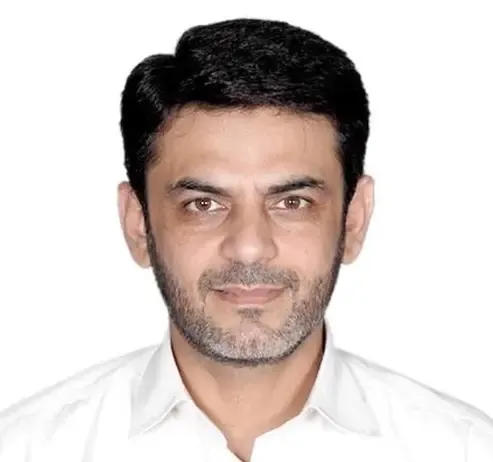
Synopsis
A Pakistani national linked to Iran's IRGC has been sentenced to 27.5 years in a Brooklyn federal court for a plot prosecutors say was designed to assassinate Donald Trump — and potentially Joe Biden and Nikki Haley — in revenge for the 2020 killing of Qasem Soleimani. The FBI foiled the scheme after the man Merchant recruited to help him turned informant, and the 'hired killers' he paid were undercover agents.
Key Takeaways
Asif Merchant , 48, a Pakistani national, was sentenced to 27.5 years (330 months) in US federal prison on 18 November 2026 .
Prosecutors said the plot was directed by Iran's IRGC and intended to avenge the killing of commander Qasem Soleimani in January 2020 .
Merchant testified that Donald Trump was the intended target; Joe Biden and Nikki Haley were cited as other possible targets.
The FBI disrupted the plot after a contact Merchant recruited became a confidential informant; the 'killers' he paid a $5,000 advance were undercover agents.
Merchant was arrested in Texas on 12 July 2024 before his planned departure; convicted by jury on 6 March .
Attorney General Todd Blanche said the Justice Department 'will not tolerate foreign terrorist plots against our leaders.'
Asif Merchant, a 48-year-old Pakistani national, was sentenced to 27.5 years in a US federal prison on 18 November 2026 for his role in a foiled assassination conspiracy that prosecutors say was directed by Iran's Islamic Revolutionary Guard Corps (IRGC) and that Merchant himself testified was intended to ultimately target Donald Trump. The sentence was imposed by US District Judge Eric R. Komitee in federal court in Brooklyn, New York, according to the Justice Department.
The Charges and Verdict
Merchant was convicted by a jury on 6 March on two counts: murder for hire and attempting to commit an act of terrorism transcending national boundaries. The 330-month sentence follows a trial in which prosecutors presented recordings, internet search histories, and testimony laying out what they described as an IRGC-orchestrated operation on American soil. Beyond Trump, prosecutors said then-President Joe Biden and former US Ambassador to the United Nations Nikki Haley were also cited as possible targets.
How the Plot Unfolded
According to prosecutors, Merchant was introduced to an Iranian intelligence handler through a relative and met the handler repeatedly in Tehran, where he received counterintelligence training and instructions to recruit criminals to carry out an assassination at a political rally. He arrived in the United States in April 2024 after spending time in Iran. He then approached an acquaintance for help — but that person alerted the FBI and became a confidential informant.
Merchant subsequently met individuals he believed were hired killers but who were in fact undercover FBI agents. He allegedly paid the agents a $5,000 advance in New York on 21 June 2024. Authorities arrested him in Texas on 12 July 2024 before his planned departure from the country. Evidence presented at trial included internet searches for campaign rallies and a Google Maps search for a Trump rally in New Jersey, as well as social media posts praising slain Iranian commander Qasem Soleimani and targeting Trump and the United States.
The Iran Connection and Motive
Prosecutors alleged the conspiracy was intended to avenge the death of Soleimani, the top IRGC commander killed in a US drone strike in January 2020 during Trump's first term. The Justice Department said Merchant voluntarily joined the IRGC's intelligence operation and received formal training before travelling to the United States — characterising his participation as deliberate rather than coerced. This comes amid a broader pattern of alleged Iranian-linked plots on American and Western soil, with US authorities having disrupted several such schemes in recent years.
Merchant's Defence
Merchant disputed the prosecution's characterisation of his role. He testified that he feared for his family's safety in Iran and never genuinely intended to carry out the assassinations — framing his participation as driven by coercion rather than ideology. His defence highlighted the distinction between words recorded in conversation and actual intent to kill. The jury, however, rejected that account.
Justice Department Statement
'The Department of Justice will not tolerate foreign terrorist plots against our leaders,' Attorney General Todd Blanche said in the sentencing announcement. The case is being cited by US officials as evidence of the IRGC's continued use of criminal proxies to target American political figures. The verdict and sentence are likely to factor into ongoing US-Iran diplomatic tensions, with Washington having repeatedly accused Tehran of plotting against current and former officials since Soleimani's killing.
Point of View
Recruited through criminal intermediaries, with counterintelligence training provided in Tehran. The defence argument — coercion, not conviction — was straightforward, but the jury found the evidence of deliberate participation too strong to ignore. For US-Iran diplomacy, the timing is awkward: a 27.5-year sentence handed down while back-channel contacts persist adds pressure on both governments to either escalate rhetoric or quietly compartmentalise. Washington's choice of words — 'foreign terrorist plots' in the AG's statement — signals the former.
NationPress
18 Nov 2026
Frequently Asked Questions
Who is Asif Merchant and what was he convicted of?
Asif Merchant is a 48-year-old Pakistani national convicted by a US federal jury on 6 March of murder for hire and attempting to commit an act of terrorism transcending national boundaries. Prosecutors said he was recruited by Iran's IRGC to arrange the assassination of a US political figure, with Donald Trump identified as the intended primary target.
What sentence did Asif Merchant receive?
US District Judge Eric R. Komitee sentenced Merchant to 330 months — 27 and a half years — in federal prison on 18 November 2026, in Brooklyn, New York. The sentence followed his jury conviction earlier in the year.
What was the motive behind the assassination plot?
Prosecutors alleged the conspiracy was designed to avenge the death of Iranian IRGC commander Qasem Soleimani, who was killed in a US drone strike in January 2020 during Trump's first term. The Justice Department said Merchant received training in Tehran and instructions to recruit criminals for an attack at a political rally.
How did the FBI uncover and foil the plot?
The scheme unravelled after a person Merchant approached for help alerted the FBI and became a confidential informant. The 'hired killers' Merchant subsequently met and paid a $5,000 advance were actually undercover FBI agents. Authorities arrested Merchant in Texas on 12 July 2024 before he could leave the country.
Who else was named as a possible target in the plot?
Besides Donald Trump, federal prosecutors said then-President Joe Biden and former US Ambassador to the United Nations Nikki Haley were cited as other possible targets in the IRGC-directed scheme, according to the Justice Department's sentencing announcement.